The BBC has recently highlighted South Korea’s massive obsession with “Dubai Chewy Cookies,” locally known as Dujjonku.
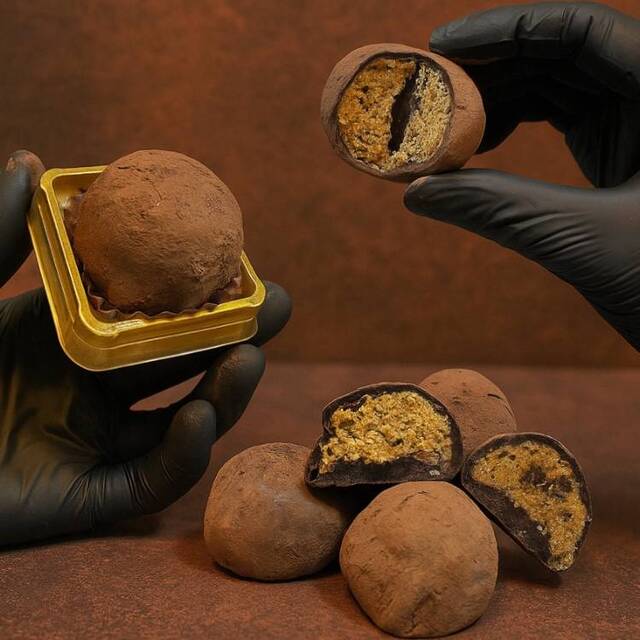
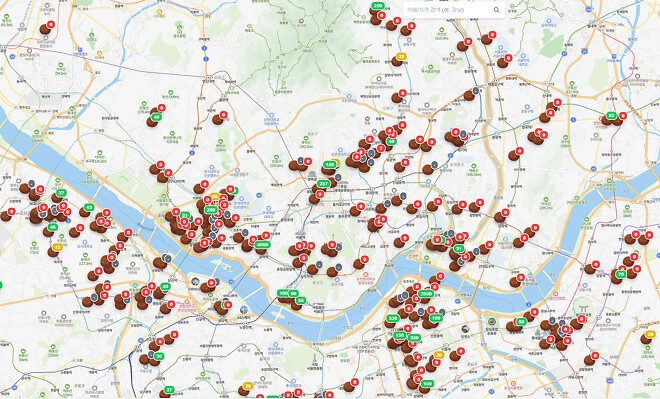
In a report titled “A Dubai chocolate-inspired dessert has taken S Korea by storm,” the outlet noted that the fervor has reached such heights that fans have created real-time tracking maps to monitor stock levels at local bakeries.
Interestingly, despite its name as a cookie, the BBC described the texture as being remarkably similar to tteok, a traditional Korean rice cake, rather than a standard crumbly biscuit.
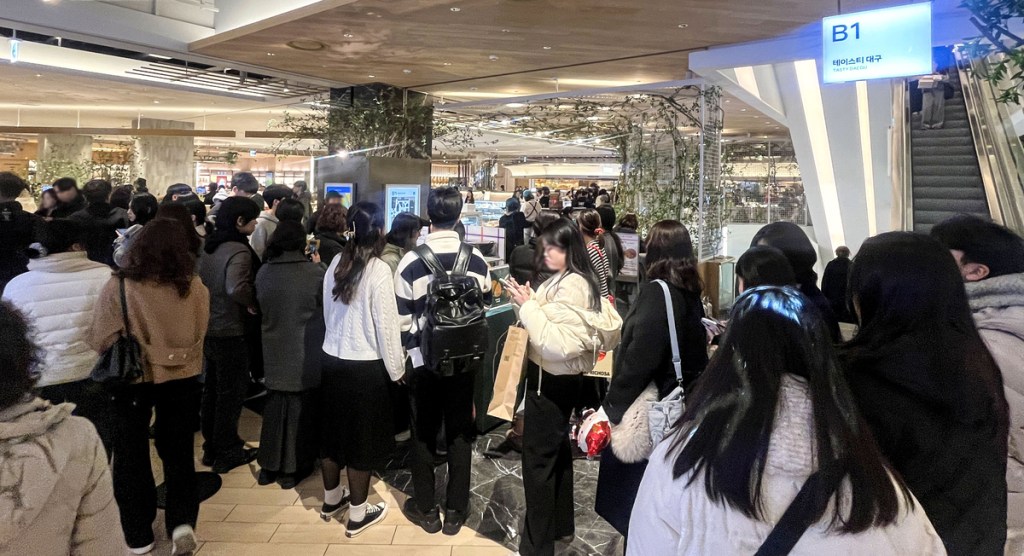
This viral craze was sparked last September after Jang Won-young, a prominent member of the K-pop group IVE, shared a photo of the dessert on her Instagram. Since that moment, the market has exploded, with hundreds of cookies frequently selling out within minutes of being stocked.
Currently, these sought-after treats are priced between 5,000 and 10,000 KRW, but continued high demand is expected to drive prices even higher. This surge has not only affected the final product but has also caused the cost of necessary raw ingredients to skyrocket across the country.
However, the rapid growth of the “Dujjonku” market has not been without its challenges. The BBC noted the emergence of numerous “counterfeit” versions, which has resulted in a wave of complaints from dissatisfied customers on online review platforms.
These growing pains are viewed as a natural byproduct of a hyper-viral market where consumer demand continues to far outpace a reliable and high-quality supply.
As the trend continues into 2026, the focus is now shifting toward whether the craze can maintain its quality amidst its overwhelming popularity.

 ONLINEKOREANEWS.COM
Leave a comment