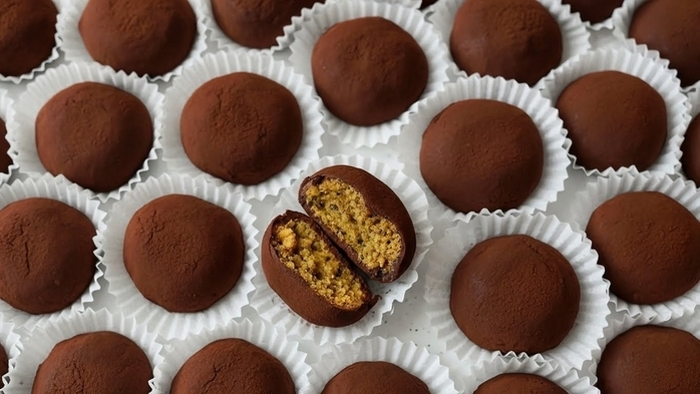
The viral “Dubai Chewy Cookie” (Dujjonku) phenomenon in South Korea has reached a bizarre turning point as non-food businesses, including specialized bedding shops, have begun using the treat to lure customers.
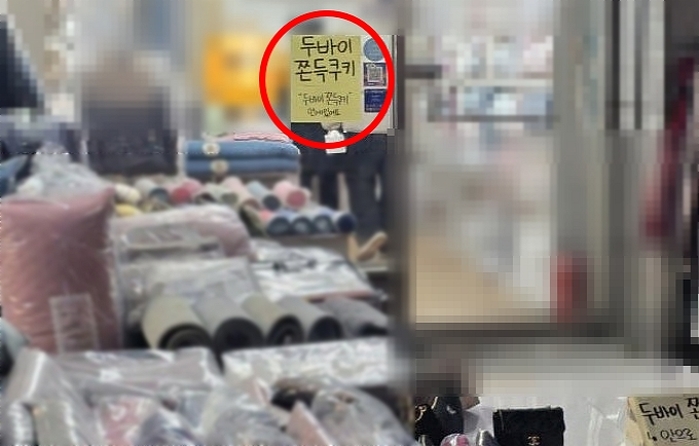
Recent online reports featured a blanket shop advertising the cookies to entice visitors inside, following similar tactics used by sushi and eel restaurants. This trend of using a high-demand dessert as a “bait product” has sparked a heated debate regarding unethical marketing practices across unrelated industries, with critics questioning the integrity of businesses that exploit viral trends to boost foot traffic.
Beyond marketing ethics, the trend has raised significant legal and hygiene concerns.
Netizens have pointed out potential violations of the Food Sanitation Act, questioning whether these establishments hold the necessary licenses for food distribution. Fears regarding the lack of proper hygiene management in non-food environments, such as textile or specialized service shops, are also mounting. Critics compare the current frenzy to the past “Honey Butter Chip” era, where popular snacks were bundled with unrelated goods to force sales, highlighting the recurring negative side effects of hyper-viral consumer trends in the Korean market.

While the demand remains high, some observers suggest the craze may have reached its peak.
Comparisons are being drawn to the once-ubiquitous “Tanghulu” trend, which saw a rapid decline after its initial surge due to overexposure and changing consumer tastes. As businesses increasingly use the cookie as a “click-bait” item on delivery apps to boost visibility, public fatigue over the commercial exploitation of the trend is becoming more apparent. This shift suggests that without a sustainable supply chain and ethical standards, the “Dujjonku” fever may soon follow the path of its short-lived predecessors.

 ONLINEKOREANEWS.COM
Leave a comment