Category: K-FASHION

  • [Korean News] From Daily to Office Wear: Why the ‘Quarter Zip-up’ is Dominating 2026 Fashion

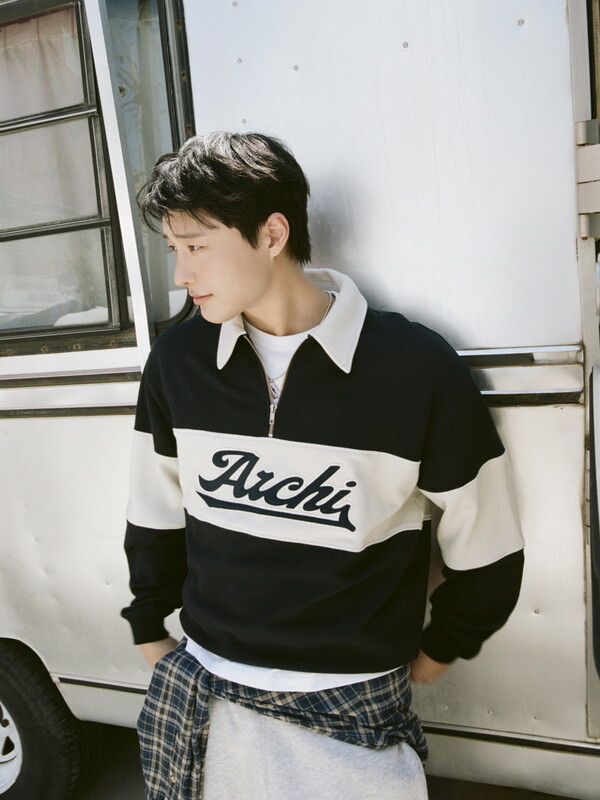
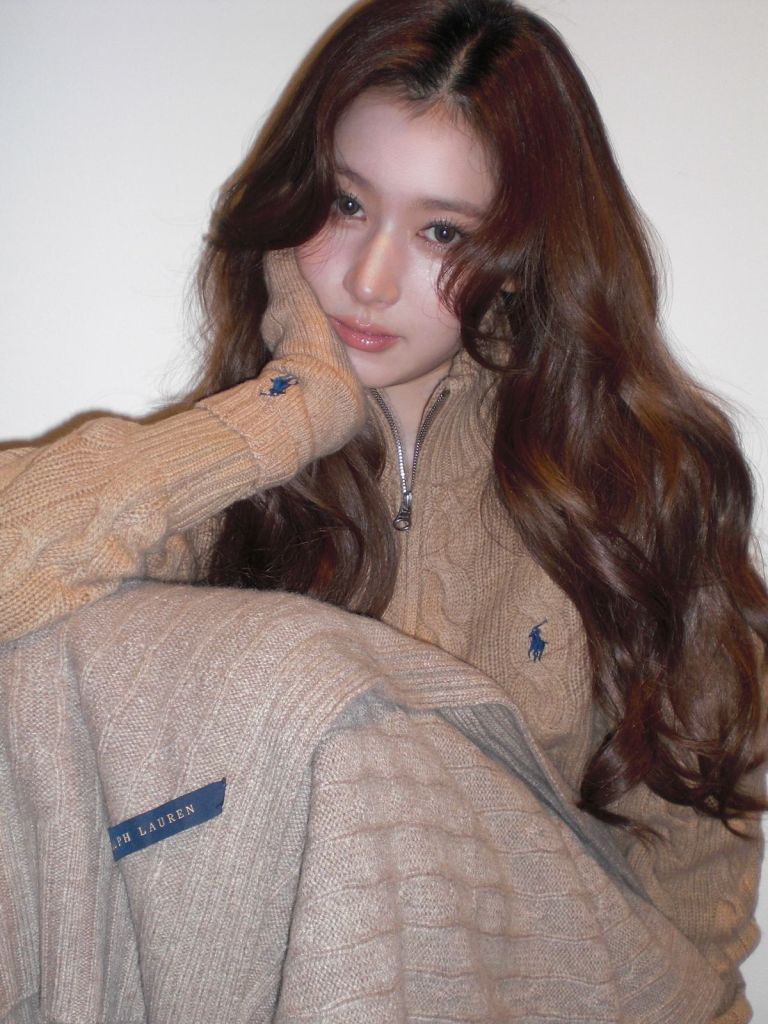
    Samsung C&T Fashion Group has officially identified the “Quarter Zip-up” as the leading fashion trend for 2026.

    This style, characterized by a zipper extending approximately one-fourth of the way down a knit or sweatshirt, has seen a dramatic rise in consumer interest.

    According to data from the Samsung Fashion Research Institute and Naver Data Lab, search volumes for zip-up products began a sharp upward trajectory in late 2025, solidifying its position as a key fashion focal point.

    The trend’s explosive growth is most evident on the online platform SSF Shop, where searches for “Quarter Zip-up” skyrocketed by 2,950% year-on-year this past December.

    This movement is mirrored globally, with the style gaining significant traction through international luxury brand collections and celebrity short-form content. The item’s primary appeal lies in its exceptional versatility, as it transitions seamlessly from casual daily wear to professional office attire, meeting the needs of modern consumers looking for both comfort and style.

    In response to this demand, Samsung C&T is positioning zip-up items as the center of its 2026 collections across major brands, including 8seconds, Beanpole, and GLXY. A company representative noted that the sustained interest in both domestic and international markets confirms the Quarter Zip-up’s status as a must-have item for differentiated styling.

    As the year progresses, this trend is expected to remain a dominant force in the global fashion landscape.

  • “Grandma Vests” Become the New Winter Trend Among MZ Generation

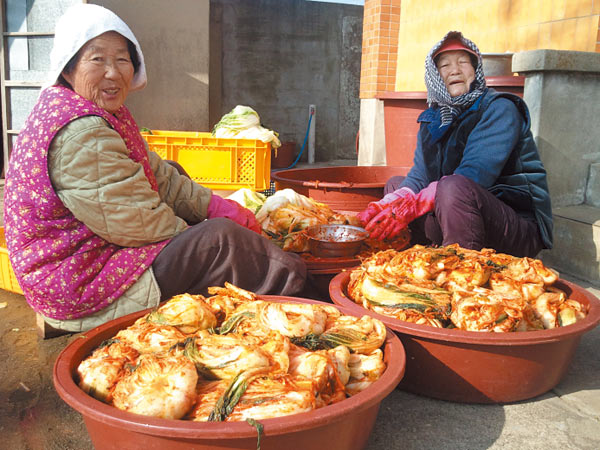
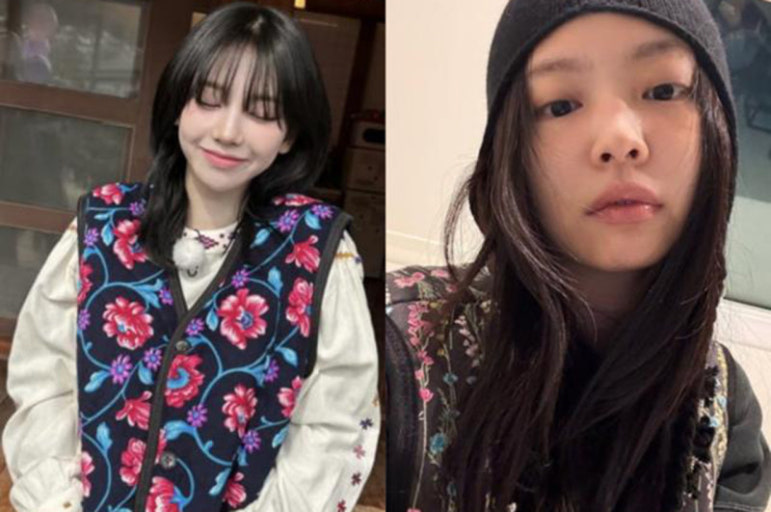
    The “Kimjang vest,” also known as the “grandma vest,” is rising as a major winter fashion trend, becoming a popular item among people in their teens and twenties. With a warm, nostalgic charm blended with retro aesthetics, the item evokes childhood memories and emotional comfort. Its rapid spread aligns with the growing “Halmenial” trend that reinterprets old-fashioned style through a modern emotional lens.

    According to the search platform Black Kiwi, searches for “Kimjang vest” and “grandma vest” surged over the past month, recording 54,500 and 30,790 searches respectively. Notably, users in their teens and twenties accounted for 24.9 percent and those in their thirties 21 percent, highlighting the strong interest among younger generations. Celebrity influence has also played a major role. When BLACKPINK’s Jennie and aespa’s Karina were seen wearing retro floral vests on social media, fan communities responded with explosive enthusiasm.

    Experts say this trend is more than a simple revival of retro fashion. It reflects a societal desire for familiarity and warmth, along with a broader movement to reinterpret old styles with contemporary sentiment. As a result, the Kimjang vest has firmly established itself as a fashion piece that carries a symbolic “warmth of the heart.”

  • Granola Core Dominates Korean Winter Fashion, Says KREAM

    According to new data released by the fashion resale platform KREAM, the “Granola Core” trend has emerged as one of the strongest fashion shifts this winter based on a comparison of transaction records from October 2024 and October 2025. The term refers to a style inspired by natural, health-focused outdoor living—essentially, the look of someone who “seems like they eat granola.”

    KREAM’s October trend report shows that padded outerwear transactions rose by 108 percent year-over-year, while windbreakers increased by 28 percent. The early cold season, combined with the rise of Granola Core styling, has driven significant growth for outdoor brands such as The North Face, Arc’teryx, Salomon, and Montbell. The North Face, in particular, saw its transaction volume surge by 253 percent, dominating half of the top 10 padded jacket rankings with models like the Ventus, Wave, and Matiere gaining balanced popularity.

    Nature-inspired color palettes also saw heightened demand. The “Sansangear Surfex Puffer Jacket Gray” traded at a 335 percent premium compared to its original retail price. Beanies have likewise become essential styling items, with transactions among teenage male users rising by 41 percent, signaling a clear generational spread.

    A KREAM spokesperson noted that Granola Core has evolved beyond a passing trend to become a new fashion movement that merges nature and practicality, projecting that related items will continue to perform strongly.

  • Sleeqsteel Enters Egyptian Market, Eyes Global Expansion

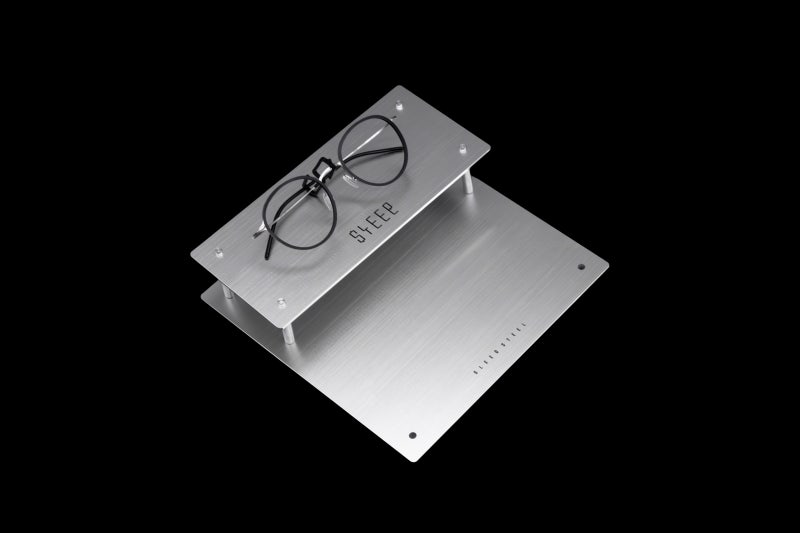
    Korean eyewear brand Sleeksteel has signed an MOU with Baraka Group, marking its entry into the Egyptian market.

    Baraka Group started in 1979 as a wholesale eyewear business and has since expanded into fashion retail and e-commerce, distributing eyewear brands across the Middle East and Africa.

    Sleeksteel is a premium eyewear brand with a 100% domestic production system and has experience in outsourcing production for brands such as Ray-Ban and Gentle Monster.

    Ahmed Ragab, Chairman of Baraka Group, stated, “Sleeksteel is a brand that combines design, functionality, price competitiveness, and its own production infrastructure, and we plan to actively support its store openings, OEM/ODM cooperation, and trade expansion.”

    The CEO of Sleeksteel commented, “This agreement will serve as an opportunity for Korean products to gain recognition in the global market,” and projected exports of around 200 billion KRW over the long term.

    Additionally, Sleeksteel plans to launch a premium eyewear manufacturing service called GEMS (Global Eyewear Manufacturing Service) in the second half of 2026. This platform will support reasonable pricing and small orders for domestic and international brands, aiming to produce higher-quality products than those made in China. The goal is to shift eyewear production demand from China back to Korea.

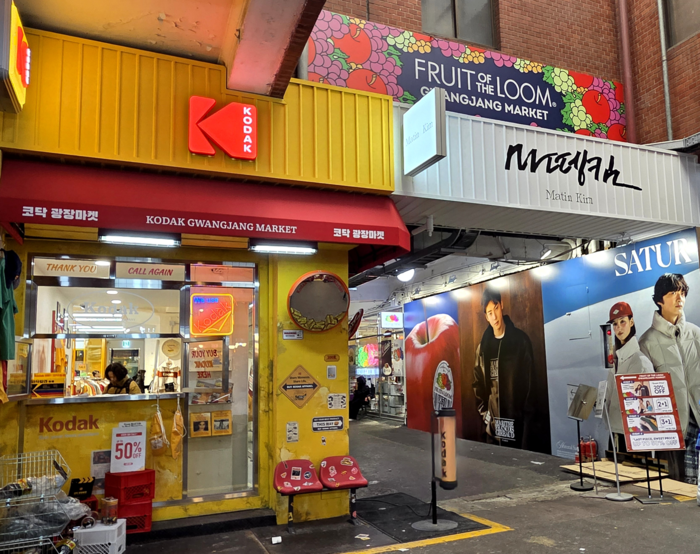
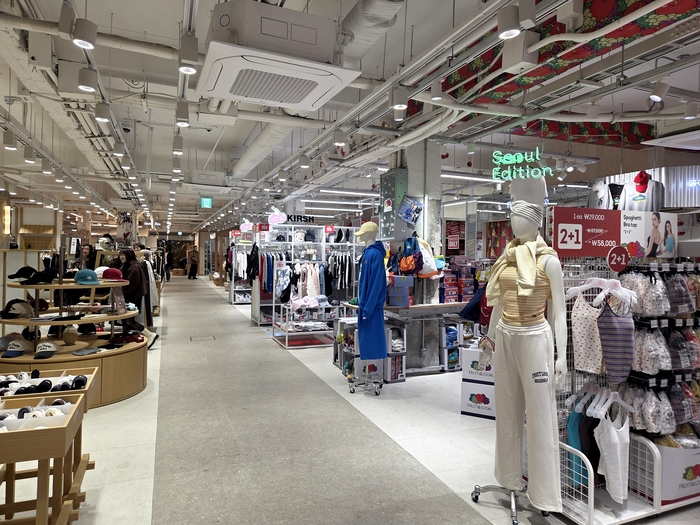
  • Gwangjang Market Reinvented as Seoul’s New K-Fashion Hotspot

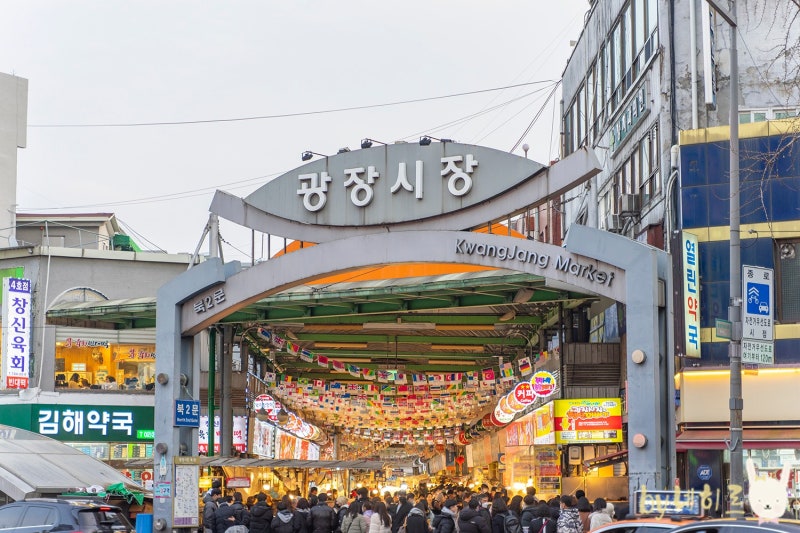
    Seoul’s historic Gwangjang Market in Jongno District is rapidly transforming from a traditional food market into a new hotspot for K-fashion and K-beauty.

    As Korea’s first permanent market, Gwangjang has long been a must-visit destination for tourists seeking authentic Korean street food like yukhoe (beef tartare) and bindaetteok (mung bean pancakes). But in recent years, its atmosphere has shifted dramatically — now, locals joke that visiting famous bakeries and then shopping at brands like Matin Kim or Kodak Apparel has become the new “Gwangjang course.” The market is buzzing again, fueled by young visitors and foreign tourists.

    Today, major fashion and beauty names such as Matin Kim, Setter, Frot of the Room, Kirsh, and Kodak Apparel have opened stores within the market, alongside beauty outlet OFFBEAUTY. According to Daemyung Chemical, the company behind OFFBEAUTY, “We wanted to merge the market’s traditional charm with the youthful energy of K-fashion, expanding our connection with global customers and revitalizing a 100-year-old market.”

    This trend is supported by rising tourist numbers. In the first half of 2024, 8.83 million foreign visitors came to Korea — up 14.6% year-on-year — and around 1.4 million of them visited the Gwangjang area, ranking it 14th nationwide. Industry experts say Gwangjang Market’s mix of affordable rents, textile infrastructure, and tourism growth has reinvented it as “a K-fashion hub where tradition meets trend.”

  • Gen Z’s Loose-Fit Revolution Marks the End of Tight Wear

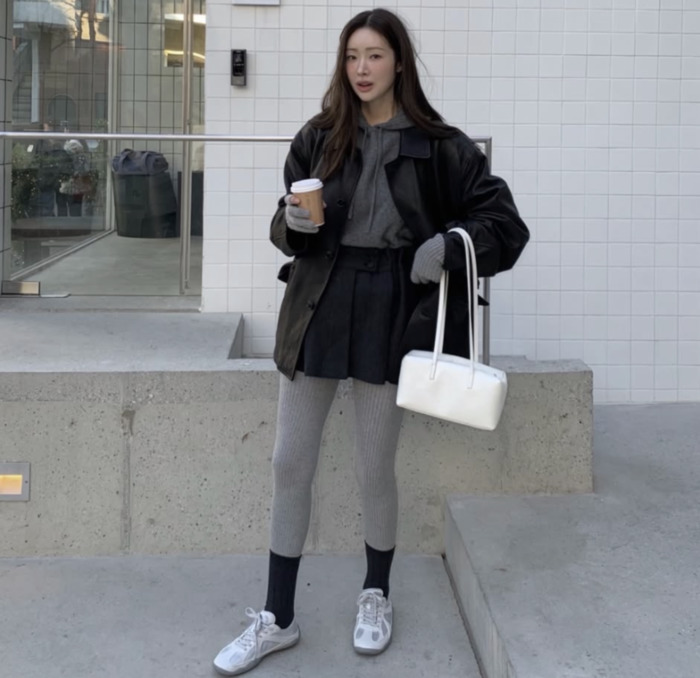
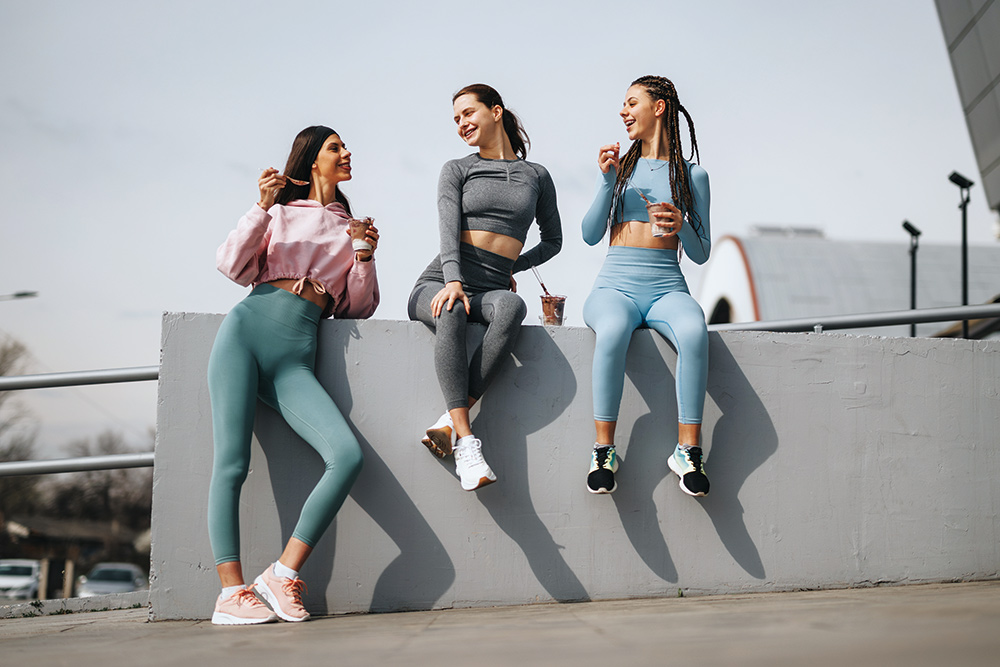
    The era of leggings—once the face of the global athleisure boom during the COVID-19 years—is coming to a close.

    Once hailed for blurring the line between casualwear and activewear, leggings have rapidly fallen out of favor as Gen Z’s fashion preferences shift toward looser silhouettes. The rise of “relaxed-fit” styles has even hit the spandex industry, the very foundation of the leggings trend.

    Hyosung TNC, the world’s largest spandex manufacturer, has seen its third-quarter profit forecasts slashed repeatedly, with Hana Securities cutting estimates from 79 billion KRW to 59.5 billion KRW. Major Chinese producers are also reporting declining output and profitability. Globally, spandex production expansion is expected to drop from 160,000 tons this year to just 70,000 tons next year—nearly half.

    The cause is clear: plummeting demand for leggings.

    According to retail analytics firm Edited, leggings’ share of the women’s activewear market fell sharply from 46.9% in 2022 to 38.7% last year. As joggers, track pants, and wide-leg trousers dominate wardrobes, the reign of the “tight fit” has ended. Even iconic brand Lululemon has seen its stock price drop nearly 50% this year, while competitors like Alo Yoga and FP Movement are pivoting toward looser, comfort-driven apparel.

    Korean brands are also adapting.

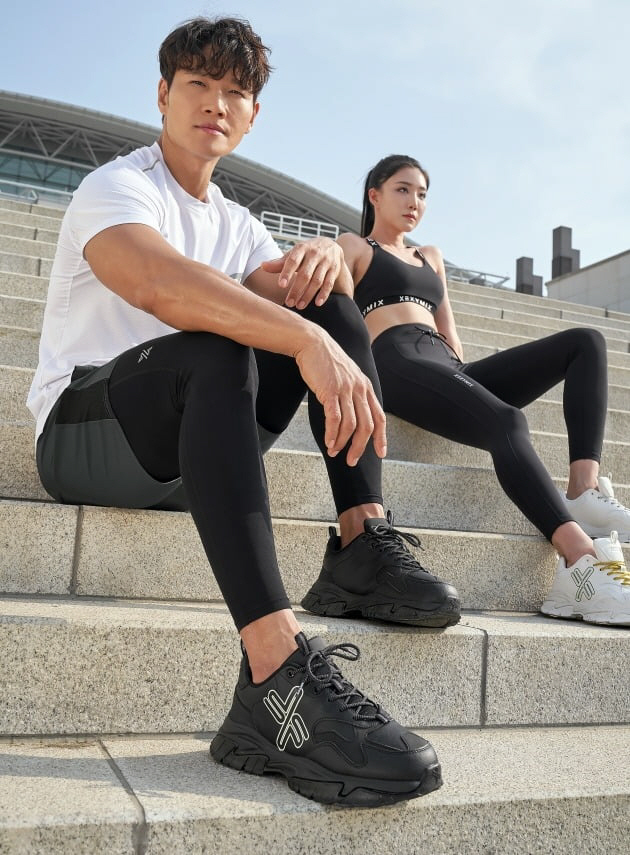
    Andar has strengthened its men’s and training lines, while Mula Wear is diversifying into “swim-leisure” concepts.

    Fashion experts note that MZ—and particularly Gen Z—consumers now value “natural comfort” over “body-conscious style,” signaling the end of leggings as a youth symbol. As The Business of Fashion put it, “After dominating closets for over a decade, leggings have become rare even in gyms.”

  • BTS’s V Redefines Hanbok in Modern Style at Vogue World: Hollywood

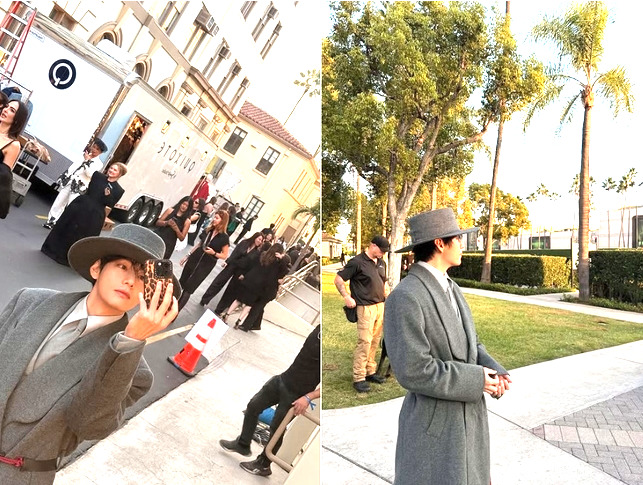
    BTS member V turned heads in Los Angeles with a stunning reinterpretation of traditional Korean attire blended with modern fashion elements.

    On October 26 (local time), V attended Vogue World: Hollywood 2025 at Paramount Studios in Los Angeles, invited personally by Vogue’s U.S. editor-in-chief, Anna Wintour.

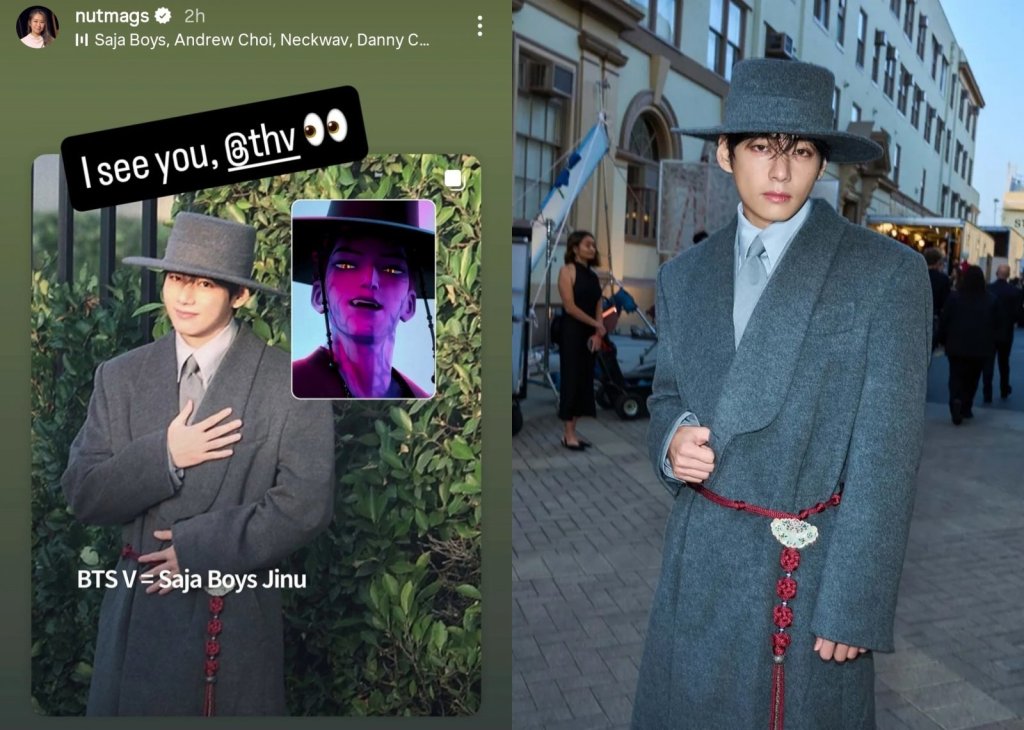
    V arrived wearing a long gray coat paired with a gray hat reminiscent of a traditional Korean gat, completing the look with a striking red traditional knot tied around his waist. The elegant red accent on his minimalist modern outfit created a perfect harmony between heritage and contemporary aesthetics, immediately drawing the attention of global fashion figures at the event.

    Maggie Kang, director of Netflix’s KPop Demon Hunters, also posted on her social media, sharing side-by-side images of V and the film’s character “Saja Boys Jinu,” captioned, “I see you @thv, BTS V = Saja Boys Jinu,” delighting fans worldwide.

  • Inside KREAM Dosan Flagship: The New Epicenter of Korean Trend Culture

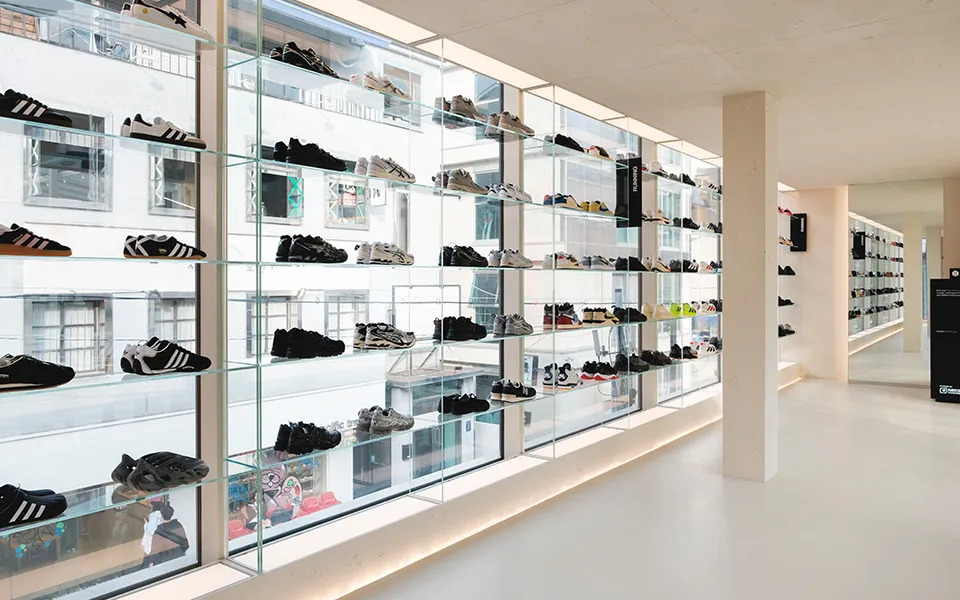
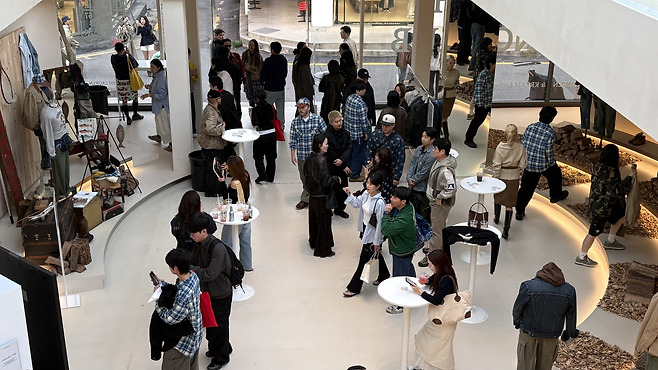
    Limited-edition trading platform KREAM officially opened its first-ever flagship location, “KREAM DOSAN FLAGSHIP STORE,” near Dosan Park in Seoul’s Gangnam District on October 25.

    The store’s concept, titled “YOSAE” (meaning “fortress” and “the present”), reflects KREAM’s vision of creating a safe space for trend-savvy visitors to experience the latest in fashion and lifestyle. Built upon KREAM’s online curation expertise, the store showcases today’s most popular fashion and cultural trends through a highly stylized, community-driven experience.

    Designed as a space where visitors can freely gather, share tastes, and connect through style, the store embodies KREAM’s core identity — “the place to experience the hottest fashion first.”

    The KREAM Dosan Flagship Store features a retail zone that offers a wide range of apparel, accessories, and luxury goods. It also includes a curation zone where thematic exhibitions and pop-up events are held. The sneaker zone displays more than 140 pairs of highly sought-after sneakers available for fitting and purchase.

    Additionally, the store provides a private VIP room designed for an exclusive and personalized shopping experience.

    Beyond fashion, visitors can enjoy lifestyle and dining experiences at Peaches, Chef Oh Joon-tak’s restaurant “tak”, and The Coffee, a minimalist-style café — completing a holistic culture of fashion, food, and lifestyle.

    Following its successful offline expansions in Lotte World Mall, Hongdae, and The Hyundai Seoul, KREAM’s first flagship in Dosan marks a defining step in expressing the brand’s philosophy and creative direction.

  • Lotteria Steps onto the Runway — Showcases Eco-Friendly Uniforms with Monseinu

    Lotte GRS’s burger franchise brand Lotteria made a surprising appearance at the Fashion Code 2026 S/S runway show held at COEX on October 23, unveiling collaborative workwear designed with the eco-friendly designer brand Monseinu.

    The collaboration marks Lotteria’s latest effort to expand its ESG initiatives into the realm of fashion.

    The project highlights the two brands’ shared philosophy of sustainability and social value, expressed through creative fashion design.

    Monseinu, known for using recycled and natural materials, worked with young artists with disabilities to create workwear inspired by Lotteria’s identity and heritage.

    The artists incorporated Lotteria’s iconic logo into designs for PK shirts, hoodies, caps, and graphic T-shirts, reinterpreting nostalgic childhood memories through colorful graphics. The pieces balance functionality suitable for in-store uniforms with emotional and aesthetic touches, resulting in sophisticated, wearable designs.

    Lotte GRS announced plans to release limited-edition eco-friendly goods such as tote bags and tumblers based on the showcased designs.

    The company also plans to replace existing uniforms with eco-friendly materials, and is considering introducing the new collection for special stores inspired by the fashion show lineup.

  • From Bags to Brands: The Rise of Keyring Culture in Korea

    From backpack zippers to car keychains, keyrings are everywhere in Korea these days.

    What used to be a simple decoration has evolved into a symbol of identity — and a rising consumer trend among the younger generation.

    At a Daiso store in Suwon, a 22-year-old university student said, “I used to keep my bag plain, but now I collect limited-edition keyrings or win them from claw machines. When I’m stressed, I hang a squishy one; during exams, I use a four-leaf clover or lucky bear charm.”

    This growing collectible culture has caught the attention of major retailers.

    Kakao Friends recently released Squid Game-themed dolls, while youth fashion brand Love is True launches new concept-based keyrings every month to boost collectibility.

    Even non-fashion brands like Starbucks, Hyundai Card, and convenience store chains are embracing keyrings as part of merchandising campaigns, pairing them with brand characters or seasonal promotions.

    Experts point to social media as the source of the trend, where young consumers use keyrings to express their personality. On Instagram, posts tagged with #키링 exceed 1.58 million, while #keyring surpasses 1.51 million.

    A consumer science professor at Inha University explained, “Decorating keyrings has become a form of self-expression. As single-person households increase, people view their keyring as an extension of themselves — something that accompanies their daily life.”