Category: K-FOOD

  • Nongshim’s Shin Ramyun Campaign with aespa Sets New Viewership Record

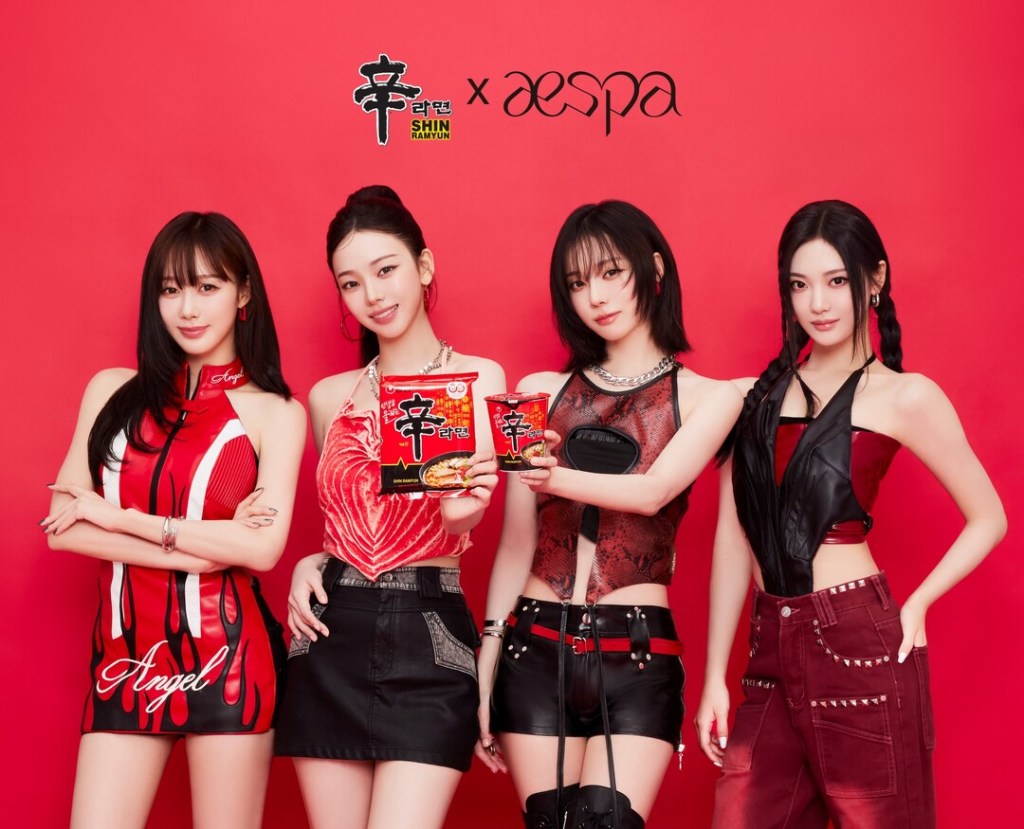
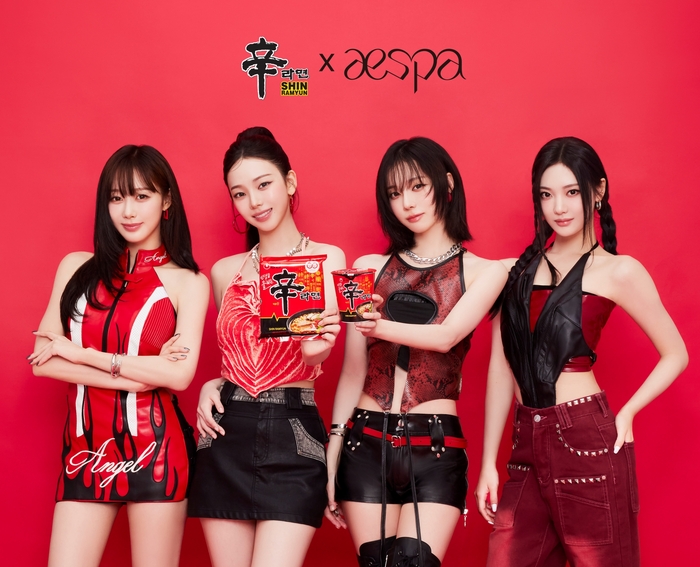
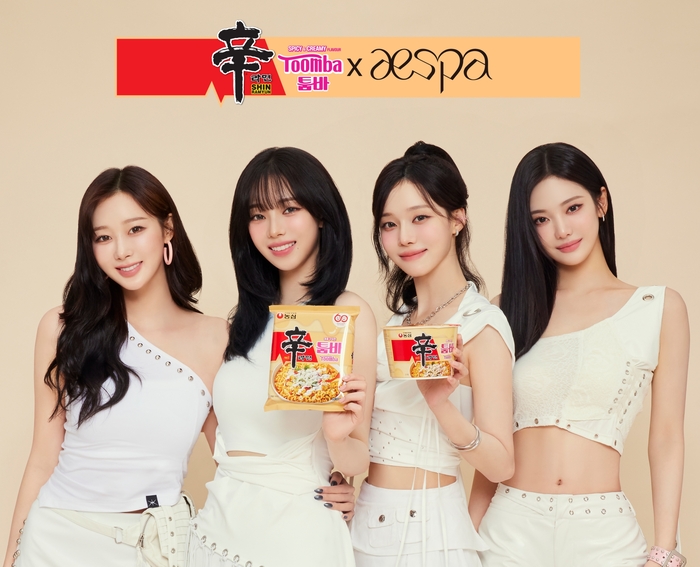
    Nongshim’s advertisement featuring Shin Ramyun global ambassador aespa is recording remarkable view counts across social media platforms.

    According to Nongshim, the ad has surpassed 130 million cumulative views on YouTube, achieving the milestone just one month after its release—the highest performance in the history of Shin Ramyun advertising.

    The campaign has drawn attention for breaking away from conventional ramen advertising formats and adopting a music-video-style approach that maximizes aespa’s appeal. The background track is a remake by aespa of “Spice Up Your Life,” originally released in 1997 by the iconic British pop group Spice Girls.

    The ad also sparked buzz with the “Shin Ramyun Dance,” a playful choreography that cleverly incorporates actions such as opening the ramen package and pouring in water. The YouTube comment section features more than 1,000 posts, with viewers praising the “addictive melody and choreography,” the “fresh music-video-style structure,” the “album-level production quality,” and calling it “a revolutionary example of ramen advertising.”

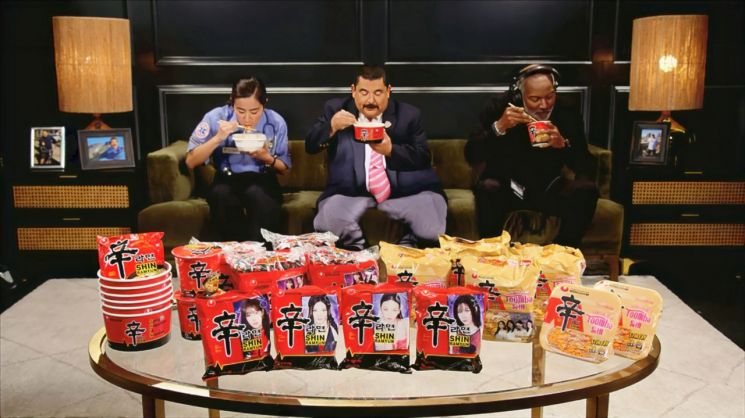
    Alongside the campaign, Nongshim has been rolling out the “Shin Ramyun aespa Special Package” since November in Korea, Australia, and other markets. Multi-packs feature group images of aespa, while individual packs showcase member-specific designs. Each package includes a photo card containing the members’ pictures and handwritten messages.

    A Nongshim official said the 100-million-view milestone demonstrates that Shin Ramyun has established itself as a cultural icon beyond food in the global market, adding that the company will continue working with aespa to further strengthen Shin Ramyun’s image as a leading K-food brand worldwide.

  • Koreans’ Favorite Snacks: Saewookkang Leads the Market

    In the first half of this year, the most widely consumed snack among Koreans was Shrimp Crackers, known locally as Saewookkang, which is often said to have been inspired by the Japanese snack Kappa Ebisen.

    According to data released on the 10th by the Food Industry Statistics Information Service, Saewookkang recorded retail sales of 57.8 billion won in the first half of the year, ranking first for the second consecutive year. It topped the overall rankings across all snack categories, including chips, chocolate, and biscuits.

    Second place went to Orion’s Pocachip, a leading potato snack brand, which posted sales of 54.4 billion won. Its revenue increased by 8.1 percent year-on-year, marking the highest growth rate among products in the top 10.

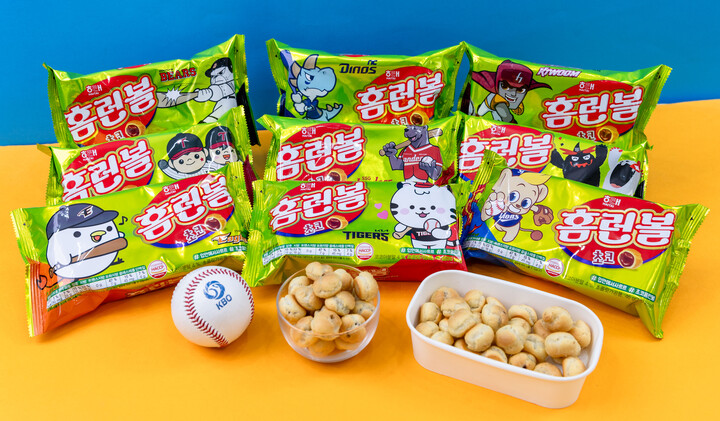
    Other top-ranking snacks included Orion Choco Pie at 47.8 billion won, Lotte Wellfood Pepero at 42.6 billion won, Nongshim Kellogg’s Pringles at 41.8 billion won, Lotte Wellfood Kkokkalcorn at 41.2 billion won, Haitai Confectionery’s Home Run Ball at 39.6 billion won, Ferrero Rocher at 36.5 billion won, Lotte Wellfood Ghana at 33.8 billion won, and Orion Squid Peanut at 31.5 billion won.

    Home Run Ball was the only biscuit product to enter the top 10, recording 39.6 billion won in sales during the first half. Known as a classic baseball stadium snack, the product is on track to reach cumulative sales of 2 trillion won this year.

  • New ‘Three Ribbon’ Restaurants in Seoul Unveiled by Blue Ribbon 2026

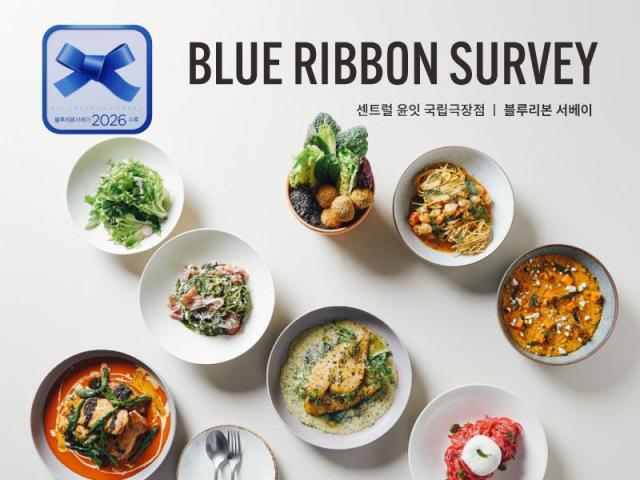
    The Blue Ribbon Survey, Korea’s first domestic restaurant guide, has unveiled its “Seoul’s Best Restaurants 2026,” naming six new “Three Ribbon” establishments.

    Among the honorees are modern kaiseki “Kagen,” Chef Ahn Seongjae’s “Mosu Seoul,” sushi specialty “Sosuhon,” modern Korean “Soul Dining,” high-end sushi “Hane,” and Chinese master Chef Hu Deokjook’s “Hobin.”

    This year’s rankings, determined by over 70,000 readers, now feature 43 three-ribbon restaurants, an increase of two from last year. The prestigious culinary spots in Seoul, known for their trustworthiness, maintained high ratings.

    Restaurants across various genres, including Kwonsuksoo, Muoki, Mingles, Jeong Sik Dang, and Alla Prima, once again secured places at the top of the list, demonstrating strong competitiveness in French, kaiseki, new Korean, sushi, and Chinese cuisines.

    Despite the diversity of genres, the shared standard of “highly refined dishes and stable operations” stood out in this year’s selection.

    Additionally, 10 newly recognized restaurants, including New Korean “Giwakgang” and “Mukjeong Seoul,” steakhouse “Smith & Wollensky,” dessert shop “Patisserie Mieu,” and modern Japanese “Hakushi,” reflect the changing dynamics of the food industry.

    The 2026 edition includes 1,560 restaurants in total, with a slight reduction in the overall list, but a stronger emphasis on top-ranked spots, showcasing the evolving food map of Seoul.

  • Kimchi Probiotics Proven Effective for Joint Health

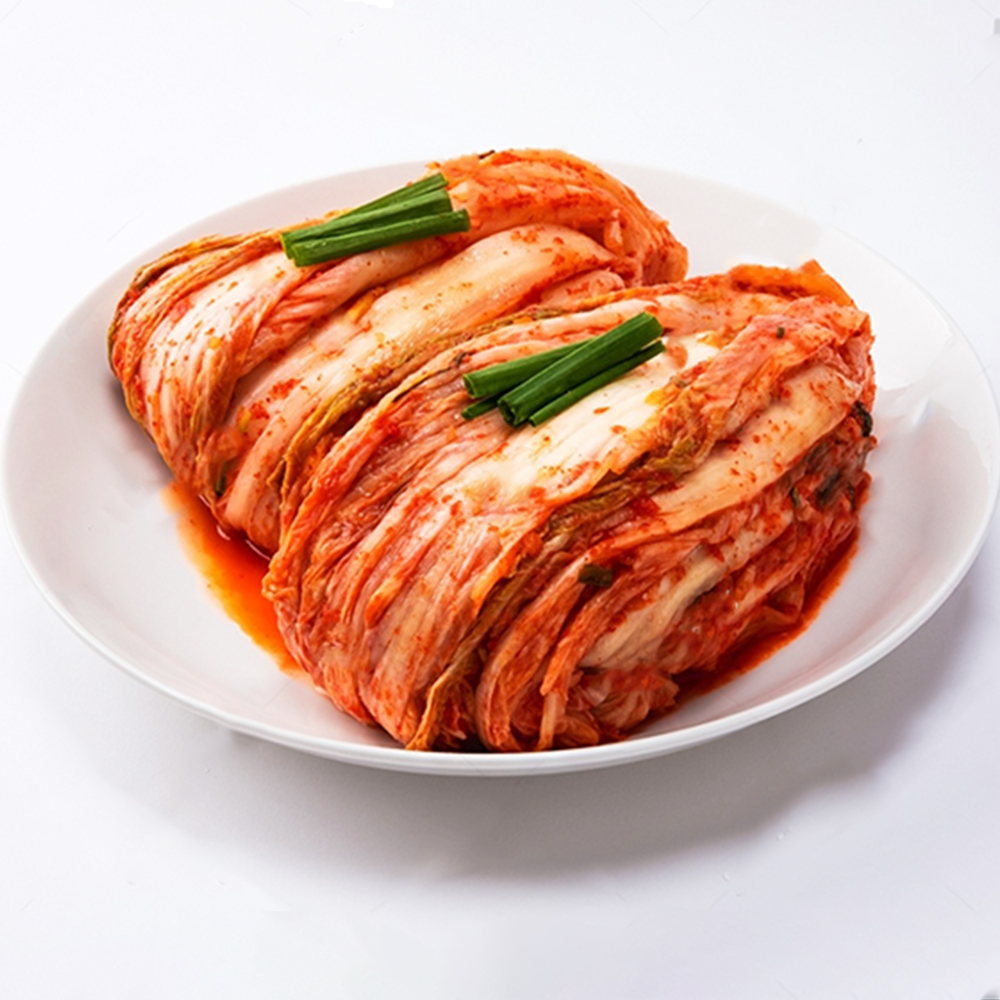
    The World Institute of Kimchi has transferred its joint-health improvement technology, developed using kimchi-derived probiotics, to ACE Biome, accelerating the development of functional bio-health materials.

    As aging accelerates and high-intensity exercise becomes more common, demand for joint-care solutions is rapidly increasing. This has positioned kimchi-based probiotic ingredients as a high-growth sector in the next-generation functional food market.

    The technology is based on experimental findings showing that Lactobacillus plantarum WiKim0175, isolated from kimchi, suppresses inflammatory responses and alleviates cartilage cell damage. Along with the technology transfer, the institute signed an MOU with ACE Biome for joint research, academic cooperation, and technical consulting, establishing a framework for commercialization. The achievement is regarded as a promising scientific step toward slowing the progression of arthritis.

    Both organizations plan to pursue step-by-step commercialization, including product development, functionality evaluation, human clinical trials, and official health functional food certification. Human trials, in particular, are essential for ingredient approval, and scientifically verified results are expected to lead to highly reliable joint-health products entering the market.

  • Nongshim Partners with aespa for Global Shin Ramyeon Campaign

    Nongshim has appointed aespa as the first global ambassador for Shin Ramyeon.
    With this collaboration with a leading global K-pop group, the company aims to promote its global slogan “Spicy Happiness In Noodles” worldwide.

    Nongshim explained that aespa’s image, known for transmitting energy through music, aligns perfectly with the Shin Ramyeon brand values. They also pointed out that aespa has naturally referenced Nongshim products since 2021, which positively influenced the decision.

    The first global Shin Ramyeon advertisement was produced in a music video style, breaking away from the usual format.
    The ad visualizes the unique spicy joy of Shin Ramyeon through aespa’s performance and vocals, showing consumers around the world enjoying the noodles with happiness. The ad’s ‘Shin Ramyeon dance’ adds fun by reinterpreting actions such as opening the ramen package, pouring water, and preparing chopsticks as part of the choreography.

    This advertisement will be digitally distributed mainly in key export markets such as the United States, China, Japan, Europe, and Southeast Asia.

  • BBQ, bhc, and Kyochon Bet Big on Burgers as Market Grows

    Korea’s major chicken franchise brands are turning their attention back to the burger market, responding to shifting consumer trends amid rising food prices.

    As dining costs soar and solo dining becomes more common, leading chicken franchises — including BBQ, bhc, and Kyochon — are diversifying their menus to appeal to value-conscious consumers. Though current offerings remain in a test phase, the companies plan to expand based on market reactions.

    bhc has launched three limited-edition chicken burgers at its Gaepo Zaisequare branch in Seoul, selling around 70 units per day. Kyochon F&B recently opened a deli-style brand called Sosit at its Pangyo headquarters, offering chicken burgers and sandwiches that attract roughly 200 daily visitors. Both brands currently operate their burger menus at single locations but are considering expansion depending on performance results.

    Industry analysts note that the move reflects optimism about the burger market’s growth potential. According to Euromonitor, Korea’s burger market is expected to expand from 2.3 trillion won in 2015 to 5 trillion won by 2025. Rising dining costs, the rise of solo dining culture, and changing perceptions toward burgers are driving the shift — and analysts predict chicken franchises will contribute to market growth rather than intensifying competition.

  • A Global Stage for Korean Culture: ‘Unboxing Korea’ Takes Over Belgium

    The Korean Cultural Center in Belgium and the EU will host a large-scale cultural festival, “Unboxing Korea: Scoop the Trend,” in the heart of Brussels from October 18 to 19 (local time).

    Now in its second year, the festival offers visitors a chance to experience the full spectrum of Korean culture — from K-culture, K-beauty, and K-food to K-tourism — all in one place. The event aims to showcase both the emotional depth and industrial power of modern Korean culture.

    The festival will take place across two main venues.
    At the Korean Cultural Center, guests can explore the K-Beauty Zone and K-Tourism Zone, while Place de la Chapelle, one of Brussels’ most popular spots, will transform into the K-Culture Zone and K-Food Zone.

    A highlight of the K-Culture Zone will be the “K-pop Demon Hunters Zone”, created in collaboration with Netflix EU, where visitors can try on hanbok and traditional accessories for photo experiences. There will also be K-pop cover dance performances and traditional craft workshops, offering European audiences a hands-on taste of Korean creativity.

    At the K-Food Zone, Korean rice-based food companies will present tteokbokki, traditional liquor cocktails, and Korean-style desserts. The K-Beauty Zone will feature small and medium enterprises showcasing their products through personal color analysis sessions and live makeup demonstrations. The K-Tourism Zone will include Korean travel tarot readings, Jeju keyring crafts, and photo booth experiences.

    “Unboxing Korea” serves as more than just a festival — it’s a global cultural exchange platform that blends Korea’s artistic spirit with its contemporary lifestyle and industry trends.

  • Matcha Craze: Korea’s Gen Z Fuels the Healthy Pleasure Trend

    In Korea, matcha has become a rising lifestyle trend among Gen Z, celebrities, and social media users.

    Unlike brewed green tea, matcha is consumed in powdered form, offering a richer taste, lower caffeine, and abundant antioxidants. On Instagram, the hashtag #matcha has surpassed 9.4 million posts, reflecting global interest.

    Convenience stores in Korea are quickly tapping into the “Matcha Core” trend.
    CU has launched over 10 matcha products in the past three months — from lattes and donuts to cream bread and even makgeolli. Its August sales jumped 129.8% year-on-year. GS25 also expanded its lineup to 30 items, with a chef-collaboration “Matcha Makgeolli” selling out all 9,000 bottles in just one day. Overall, GS25’s August sales surged more than 50 times compared to last year.

    Experts note that matcha’s green color visually conveys an image of “health,” while the Healthy + Pleasure trend and social media sharing culture are fueling its popularity. However, they recommend a daily intake of 2–3g, cautioning that overconsumption may burden digestion.

  • Chipotle Expands to Asia: Seoul Chosen as First Destination

    SPC Group announced plans to bring U.S. Mexican franchise Chipotle Mexican Grill (hereafter Chipotle) to Seoul in the first half of next year. The Seoul branch will be the brand’s first store in Asia.

    According to the food service industry, SPC Group will introduce Chipotle to Korea through either a licensing agreement or a joint venture with the headquarters. Founded in 1993 in the U.S., Chipotle is a “fast-casual dining” chain offering Tex-Mex cuisine.

    The menu features burritos, tacos, and bowls made primarily with organic and gluten-free ingredients. Like sandwich chain Subway, Chipotle allows customers to choose salad, meats, beans, and cheese, which are then wrapped in a burrito or served in a bowl. The chain is particularly known for its strong “value for money.”

    Chipotle currently operates around 3,300 stores in the U.S. alone. Though it serves Mexican food, the brand has become deeply embedded in American daily life by offering healthy meals in a convenient format. Its quick adaptation to the growth of delivery demand during the pandemic gave Chipotle a new momentum for growth, solidifying its role in ushering in the “fast-casual” dining era.