Category: K-TRAVEL

  • [Korean News] Experience ‘Hip-Suwon’: The Perfect Blend of History and Modern Lifestyle

    In early 2026, a fascinating shift is happening in Korean tourism as international travelers begin to look beyond the bustling streets of Seoul.

    Suwon, Gyeonggi-do, has officially claimed the #1 spot in satisfaction among day-trip destinations near the capital, according to the latest data from the Korea Tourism Organization.

    This surge in popularity is largely driven by the grand opening of Starfield Suwon, where the magnificent “Starfield Library 2.0” has become a viral sensation.

    This month, it stands as one of the most tagged landmarks on Instagram and TikTok, drawing visitors who want to experience the cutting edge of Korean lifestyle and modern architecture.

    However, the true soul of Suwon lies in the striking harmony between its ancient past and vibrant present.

    The massive fortress walls of Suwon Hwaseong, a UNESCO World Heritage site, provide a grand backdrop to the trendy alleys of the Haenggung-dong neighborhood.

    This area has become a hub for the “New-tro” aesthetic, filled with cozy Hanok cafes and creative boutique shops that offer a unique blend of traditional Korean charm and contemporary style.

    It is the perfect place to spend an afternoon exploring hidden corners and discovering the creative energy of local artists.

    As the sun begins to set, Suwon transforms into a completely different world.

    The “Night View Tour” along the fortress walls has become an essential activity in 2026, as the illuminated stones cast a golden glow over the city, creating a truly magical atmosphere that is distinct from the daytime scenery.

    Whether you are a solo traveler or exploring with friends, Suwon is incredibly accessible via subway or ITX trains.

    It remains the ultimate destination for anyone looking to experience both high-end modern shopping and a peaceful journey through history in a single day.

  • [Korean News] The Glamorous Evolution of Korea’s Traditional Markets

    As of early 2026, South Korea’s traditional markets have moved far beyond their roots as mere grocery stops, emerging instead as the trendiest “complex cultural spaces” for international visitors.

    According to recent social media data analysis, iconic spots like Gwangjang Market and Mangwon Market are consistently ranking as the #1 must-visit destinations for global tourists. This surge in interest is largely driven by the rise of “fusion street food,” which masterfully blends time-honored traditional recipes with a sleek, modern sensibility to create a dining experience like no other.

    The heart of this cultural shift lies in a phenomenon known as “Hip-traditionalism.”

    This trend has captured the curiosity of the global Gen Z audience, who are flocking to markets to try innovative dishes such as Tteokbokki infused with luxurious truffle oil or premium desserts reimagined from traditional Yakgwa.

    By taking classic Korean flavors and adding a creative, contemporary twist, these markets have transformed everyday snacks into a sophisticated cultural statement that resonates with a worldwide audience.

    Beyond the food, the infrastructure of these markets has undergone a significant digital transformation to welcome the world.

    Most major markets have now implemented seamless mobile payment systems and multilingual kiosks in English and Japanese, allowing international travelers to navigate and enjoy local culture with total independence.

    Combined with exciting pop-up stores and collaborations with trendy local brands, a stroll through a Korean market in 2026 has become a truly special “local experience.”

    Even in the middle of winter, these vibrant alleys remain buzzing with energy and the joy of cultural discovery.

  • [Korean News] Brrr! Real Korean Winter Arrives with the “Sohan” Cold Snap

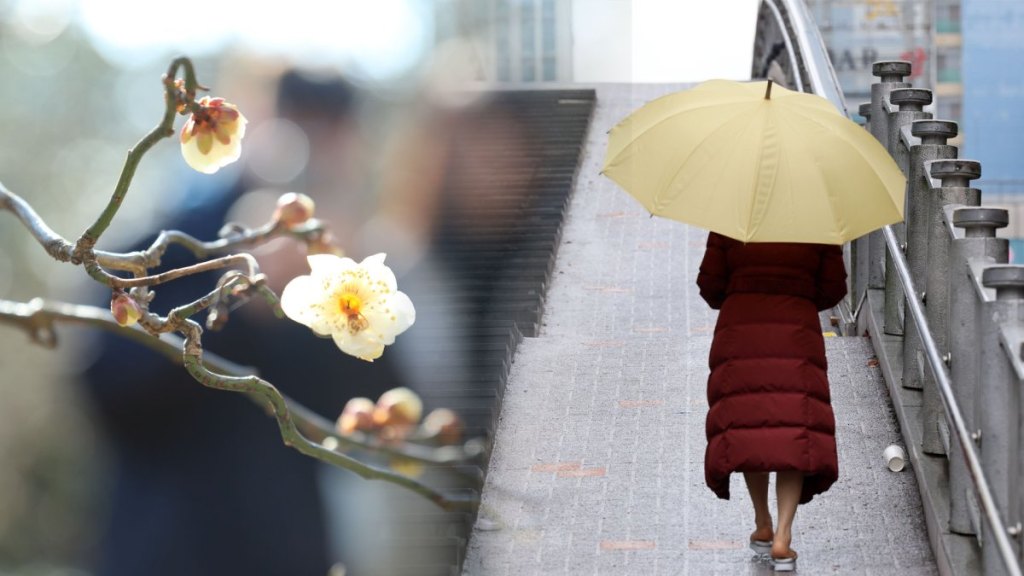
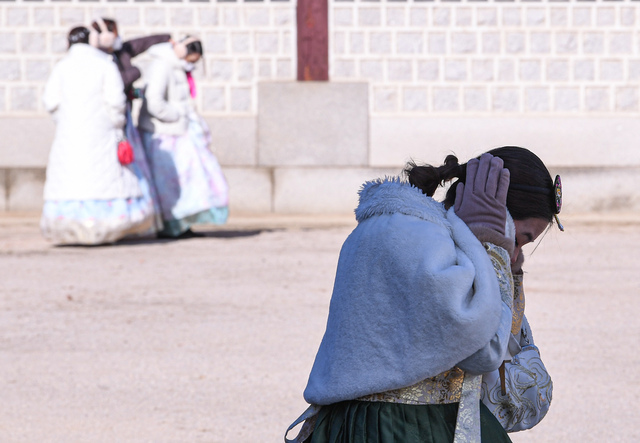
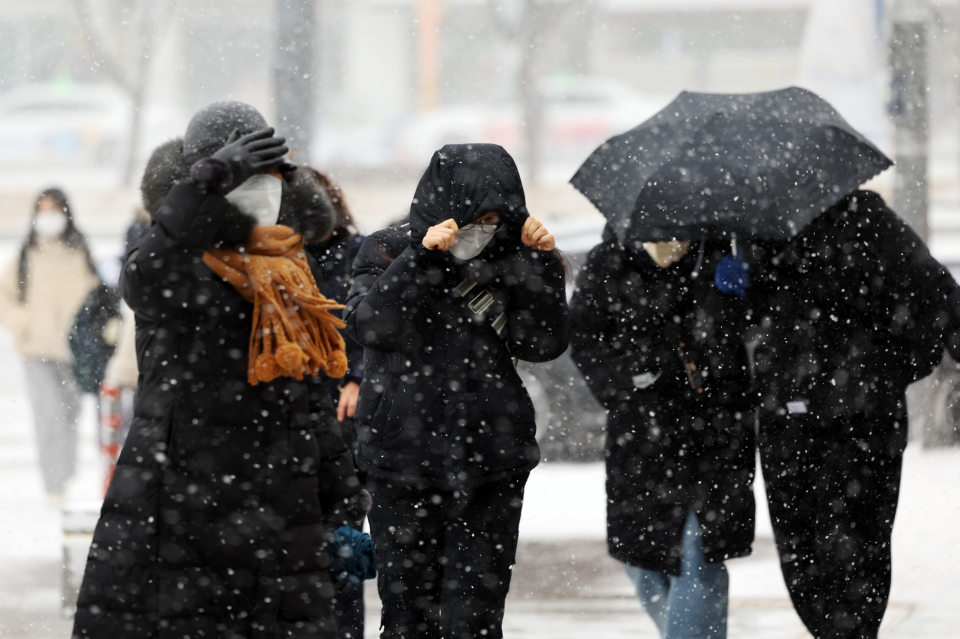
    Real winter has finally arrived! It is the first Monday of 2026, and the morning feels as if everything has been frozen solid. Today marks “Sohan” (Small Cold), a traditional solar term that, despite its name, is known for bringing the harshest and most biting cold of the entire year.

    Just how cold is it?

    Temperatures have taken a sharp dive. This morning, Seoul started at -4°C (25°F), while some inland regions plummeted to -10°C (14°F), making everyone huddle up. With the northern winds blowing in, the wind chill makes it feel much colder. It’s the kind of morning where the icy air hits your face the moment you step out the door.

    Don’t be fooled by the blue sky! While the sky is incredibly clear and blue today, it is actually because the freezing arctic air has pushed all the fine dust away. It might look beautiful from behind a window, but make no mistake—it is like an ice box outside.

    Survival tips for spending this week in Korea:

    • Layering is best: If you are walking outdoors, be sure to wear a heavy puffer coat, a thick scarf, and even thermal wear underneath.
    • Warm drinks: It’s a day to crave hot tea or a steaming latte just to keep your body temperature up.
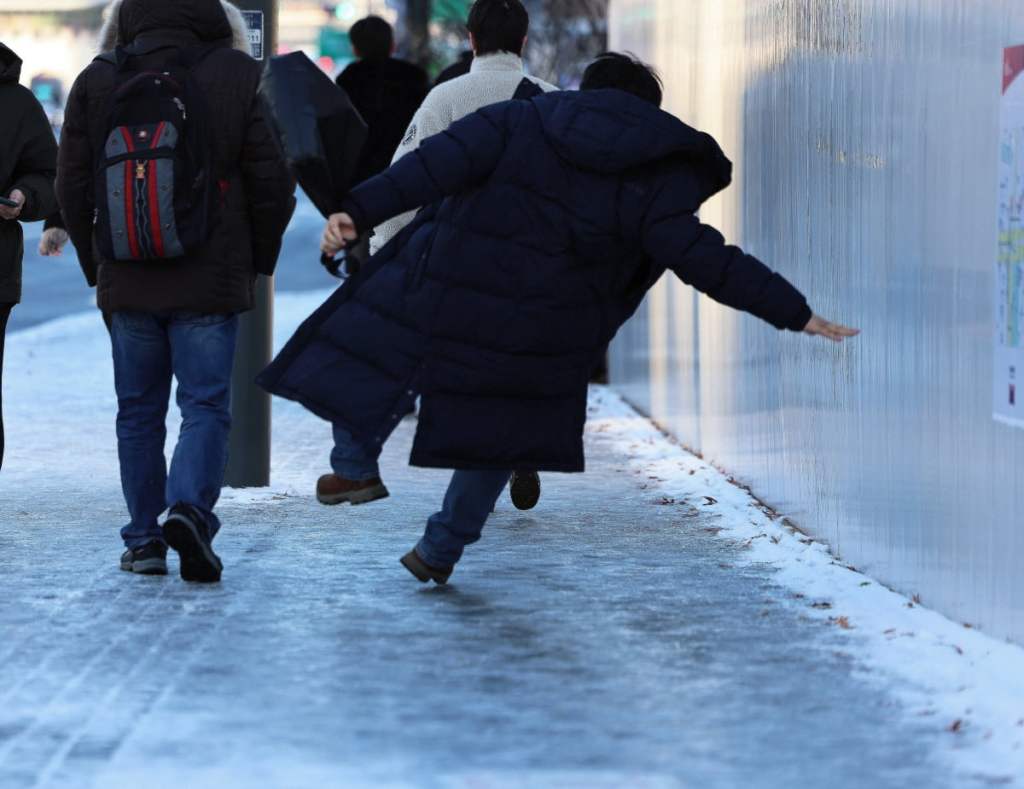
    • Watch your step: With the sudden drop in temperature, be careful of icy patches that may have formed in shaded areas.

    How is the weather where you are?

    I hope you have a wonderful start to the week regardless. Stay warm, stay cozy, and have a very happy week ahead!

  • KOREAN NEWS | 30,000 Gather in Seoul to Welcome the New Year Despite -10°C Chills❄️

    As the “Bosingak Bell” tolled to announce the “Year of the Red Horse,” January 1, 2026, officially began.

    Despite the freezing temperatures of -10°C in Seoul at midnight, approximately 30,000 citizens gathered in front of the Bosingak Pavilion in Jongno to welcome the new year.

    This year’s bell-ringing ceremony was especially meaningful, featuring 11 civilian representatives—recognized as the unsung heroes of society—including Kim Gwi-sun, a counselor at a suicide prevention lifeline.

    Simultaneously, Gwanghwamun Square hosted the “Stage of Light,” a collaborative effort between the public and private sectors. A grand countdown show on massive LED screens and vibrant media facades illuminating the building exteriors transformed the night of Seoul into a work of art, delivering profound emotion and hopeful wishes for the new year to the citizens.

    💡ONLINE-KOREA Insight

    Happy New Year 2026!

    We wish you a healthy and prosperous year ahead, and may all your endeavors bear fruitful results.

  • Korea Welcomes Record-Breaking 18.5 Millionth Foreign Visitor

    On the 23rd, the Ministry of Culture, Sports and Tourism held a welcome ceremony at Incheon International Airport Terminal 2 under the theme “K-Tourism Embracing the World,” celebrating the arrival of the 18.5 millionth inbound tourist, marking a record high in foreign visitor numbers.

    The 18.5 millionth visitor to Korea this year was Charmaine Lee, a Singaporean national and a fan of K-pop Demon Hunters. She said she wanted to visit the locations featured in the series first.

    The figure of 18.5 million surpasses the previous pre-pandemic record of 17.5 million set in 2019 by one million visitors. Following a sharp decline to 11.03 million foreign tourists in 2023 due to the pandemic, arrivals rebounded to 16.37 million last year before setting a new record this year. With about a week remaining until the end of the year, total arrivals are expected to exceed 18.7 million.

    Driven by the global popularity of K-pop Demon Hunters as a catalyst for the K-wave, Korea’s tourism landscape has undergone a noticeable transformation, with assessments suggesting the country has fully shaken off the lingering effects of the pandemic.

  • Will Korea Have a White Christmas This Year?

    Rain is expected nationwide over the weekend, followed by a sharp drop in temperatures into sub-zero levels, bringing a brief cold spell. However, snowfall is unlikely on Christmas Eve and Christmas Day next week, making a white Christmas difficult to expect.

    Ahead of Christmas, another round of rain is forecast across the country.

    On December 23 and 24, cloudy skies and rain are expected nationwide due to the influence of a trough. With temperatures remaining higher than average, most regions—including Seoul—are likely to see rain, while snow may mix in only in Gangwon Province and high-altitude mountainous areas.

    Even on December 25, a white Christmas is considered unlikely. According to the Korea Meteorological Administration, a high-pressure system is expected to expand again after the trough passes, resulting in generally clear conditions. As of now, the possibility of snowfall remains low.

  • Seoul Implements Special Safety Measures for Christmas and Year-End Crowds

    The Seoul Metropolitan Government will implement “special safety management measures” through January 4 next year in key areas and events expected to draw large crowds during Christmas and the year-end holiday season.

    With winter festivals seeing a sharp surge in visitors—about 1.08 million people attending the Gwanghwamun Market and the Seoul Lantern Festival alone—the city has launched preemptive actions to prevent safety incidents in busy districts and event venues.

    The safety management plan covers six high-traffic areas where crowds are expected around Christmas, including Myeongdong, the Itaewon Tourism Special Zone, Seongsu-dong Café Street, the Hongdae Tourism Special Zone, Gangnam Station, and Apgujeong Rodeo Street, as well as three major events such as the New Year’s Eve Bell-Ringing Ceremony and sunrise events at Achasan and Namsan.

    Through the 24th, the city, district governments, the Ministry of the Interior and Safety, police, and fire authorities will conduct joint inspections focusing on crowd control, traffic measures, rescue and emergency systems, and facility safety.

    On December 24–25 and December 31, Seoul plans to monitor on-site conditions in real time using the disaster safety communication network and a mobile situation room, and to immediately notify citizens if risks arise. On the day of the New Year’s Eve Bell-Ringing Ceremony—an event that draws more than 100,000 people annually—an emergency duty system will be activated to reinforce order and on-site safety management.

    The city aims to ensure that residents and visitors can enjoy the year-end holiday season more safely through these measures.

  • Global K-Culture Festival SEOULCon Opens in Seoul on Dec. 29

    The Seoul Business Agency has unveiled the key programs of the global K-culture festival “2025 SEOULCon,” signaling its status as one of Seoul’s signature year-end cultural events.

    Now in its third year, SEOULCon is a participatory festival bringing together global influencers and citizens. Last year, it attracted 60,000 visitors and generated 320 million online impressions, underscoring its growing global reach.

    The event will take place from December 29 to January 1, 2026, at Dongdaemun Design Plaza (DDP), featuring a wide range of programs centered on Seoul’s representative content, including K-pop, television dramas, and street dance.

    The highlight of the festival is the “SEOULCon X World K-pop Festival – Countdown,” scheduled for December 31, with performances by Dynamic Duo, Taemin, BIBI, and QWER.

    On December 29, the “SEOULCon APAN Star Awards” will also be held, with top actors such as Park Bo-gum, IU, and Lee Jun-ho nominated, and the ceremony broadcast live on tvN and TVING.

    On the same day, the “K-Beauty Boost” program targeting North American expansion and a live makeup show will further expand opportunities for industry exchange.

    On December 30, the finals of “Street Force Seoul,” featuring dancers from five countries, will be followed by an EDM party designed for global influencer networking. Throughout the festival period, visitor-friendly programs such as brand pop-up zones, photo zones, and cosplay fan meetings will be available on a rolling basis.

    As a core component of the “2025 Seoul Winter Festa,” SEOULCon will also connect with Seoul Light DDP and the traditional New Year’s Eve Bell-Ringing Ceremony.

    With most programs offered free of charge, SEOULCon is expected to become a central platform showcasing Seoul’s culture and lifestyle to the world.

  • From the 13th to the 14th, most regions across South Korea are expected to see cloudy skies accompanied by snow or rain, with sub-zero temperatures continuing. Travelers and residents are advised to take extra care in maintaining their health.

    According to the Korea Meteorological Administration on the 11th, strong snowfall is expected nationwide on Saturday the 13th, particularly with heavy snow likely in the central inland regions during the afternoon.

    Expected snowfall levels include 3–8 cm in northern and southeastern Gyeonggi, 1–5 cm in Seoul, Incheon, southwestern Gyeonggi, and the Five West Sea Islands, 5–10 cm in inland and mountainous areas of Gangwon, 3–8 cm in central and northern Chungbuk, 1–3 cm in Daejeon, Sejong, inland Chungnam, southern Chungbuk, and 1–5 cm in northern inland and northeastern mountainous Gyeongbuk.

    Forecasted precipitation includes 5–10 mm in Seoul, Incheon, Gyeonggi, and the Five West Sea Islands; 5–10 mm in inland and mountainous Gangwon; around 5 mm along the Gangwon East Coast; 5–10 mm in Daejeon, Sejong, Chungnam, and Chungbuk; around 5 mm in Gwangju, Jeonnam, and Jeonbuk; 5–10 mm in Ulleungdo and Dokdo; around 5 mm in Busan, Ulsan, Gyeongnam, Daegu, and Gyeongbuk; and 5–10 mm in Jeju Island.

    On Sunday the 14th, rain or snow is also projected from early morning to afternoon, mainly in Chungnam and the Jeolla West Coast regions. Following the snowfall and rain, temperatures will fluctuate, maintaining a cold atmosphere. Although next week’s temperatures may rise about three degrees above seasonal averages, the weather is expected to remain chilly, calling for continued caution.

    A Korea Meteorological Administration official noted that “precipitation type and snowfall levels may vary significantly depending on temperature” and advised the public to remain alert for icy roads and slippery surfaces in affected areas.

    Visitors traveling in Korea are encouraged to take note of these conditions and enjoy their trip while staying safe and warm.

  • New ‘Three Ribbon’ Restaurants in Seoul Unveiled by Blue Ribbon 2026

    The Blue Ribbon Survey, Korea’s first domestic restaurant guide, has unveiled its “Seoul’s Best Restaurants 2026,” naming six new “Three Ribbon” establishments.

    Among the honorees are modern kaiseki “Kagen,” Chef Ahn Seongjae’s “Mosu Seoul,” sushi specialty “Sosuhon,” modern Korean “Soul Dining,” high-end sushi “Hane,” and Chinese master Chef Hu Deokjook’s “Hobin.”

    This year’s rankings, determined by over 70,000 readers, now feature 43 three-ribbon restaurants, an increase of two from last year. The prestigious culinary spots in Seoul, known for their trustworthiness, maintained high ratings.

    Restaurants across various genres, including Kwonsuksoo, Muoki, Mingles, Jeong Sik Dang, and Alla Prima, once again secured places at the top of the list, demonstrating strong competitiveness in French, kaiseki, new Korean, sushi, and Chinese cuisines.

    Despite the diversity of genres, the shared standard of “highly refined dishes and stable operations” stood out in this year’s selection.

    Additionally, 10 newly recognized restaurants, including New Korean “Giwakgang” and “Mukjeong Seoul,” steakhouse “Smith & Wollensky,” dessert shop “Patisserie Mieu,” and modern Japanese “Hakushi,” reflect the changing dynamics of the food industry.

    The 2026 edition includes 1,560 restaurants in total, with a slight reduction in the overall list, but a stronger emphasis on top-ranked spots, showcasing the evolving food map of Seoul.