Category: K-TRAVEL

  • Gwangjang Market Reinvented as Seoul’s New K-Fashion Hotspot

    Seoul’s historic Gwangjang Market in Jongno District is rapidly transforming from a traditional food market into a new hotspot for K-fashion and K-beauty.
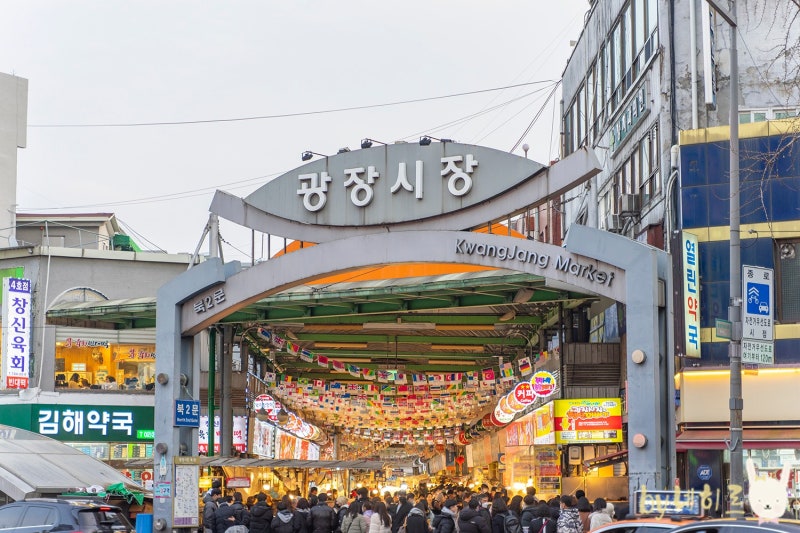
    As Korea’s first permanent market, Gwangjang has long been a must-visit destination for tourists seeking authentic Korean street food like yukhoe (beef tartare) and bindaetteok (mung bean pancakes). But in recent years, its atmosphere has shifted dramatically — now, locals joke that visiting famous bakeries and then shopping at brands like Matin Kim or Kodak Apparel has become the new “Gwangjang course.” The market is buzzing again, fueled by young visitors and foreign tourists.
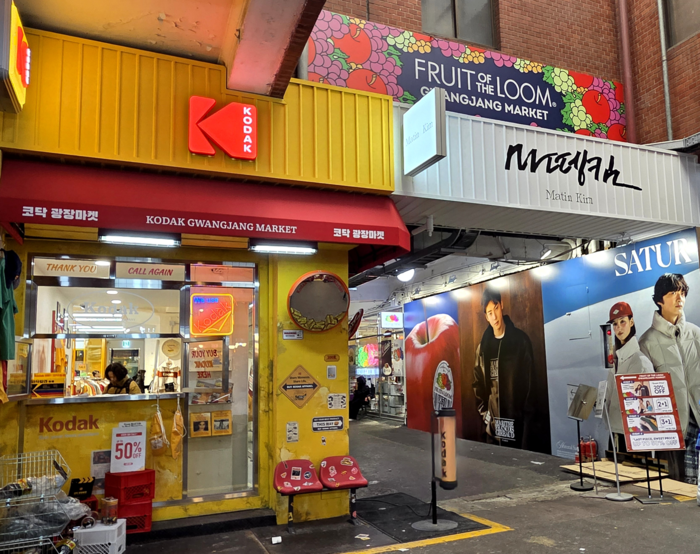
    Today, major fashion and beauty names such as Matin Kim, Setter, Frot of the Room, Kirsh, and Kodak Apparel have opened stores within the market, alongside beauty outlet OFFBEAUTY. According to Daemyung Chemical, the company behind OFFBEAUTY, “We wanted to merge the market’s traditional charm with the youthful energy of K-fashion, expanding our connection with global customers and revitalizing a 100-year-old market.”
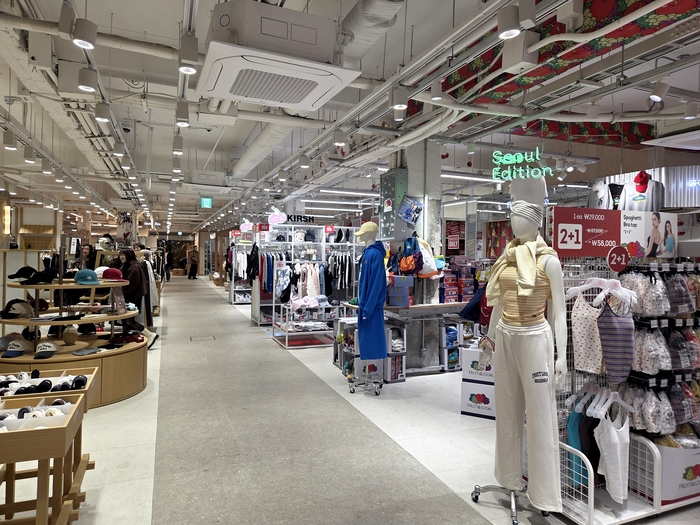
    This trend is supported by rising tourist numbers. In the first half of 2024, 8.83 million foreign visitors came to Korea — up 14.6% year-on-year — and around 1.4 million of them visited the Gwangjang area, ranking it 14th nationwide. Industry experts say Gwangjang Market’s mix of affordable rents, textile infrastructure, and tourism growth has reinvented it as “a K-fashion hub where tradition meets trend.”

  • South Koreans Shift Travel Habits Amid High Inflation

    In the era of high inflation, significant changes in travel spending patterns have been observed in South Korea.

    An analysis of South Korean travelers’ search data from January 1 to September 30 revealed a growing trend toward cost-effective group travel, rather than solo trips. Additionally, instead of long-haul European vacations costing over 1 million KRW, there has been a notable shift towards more affordable trips to Japan and Southeast Asia, priced between 300,000 to 400,000 KRW. This “value-for-money” trend is becoming more prominent.

    The most notable change is the surge in searches for flights to Japan.

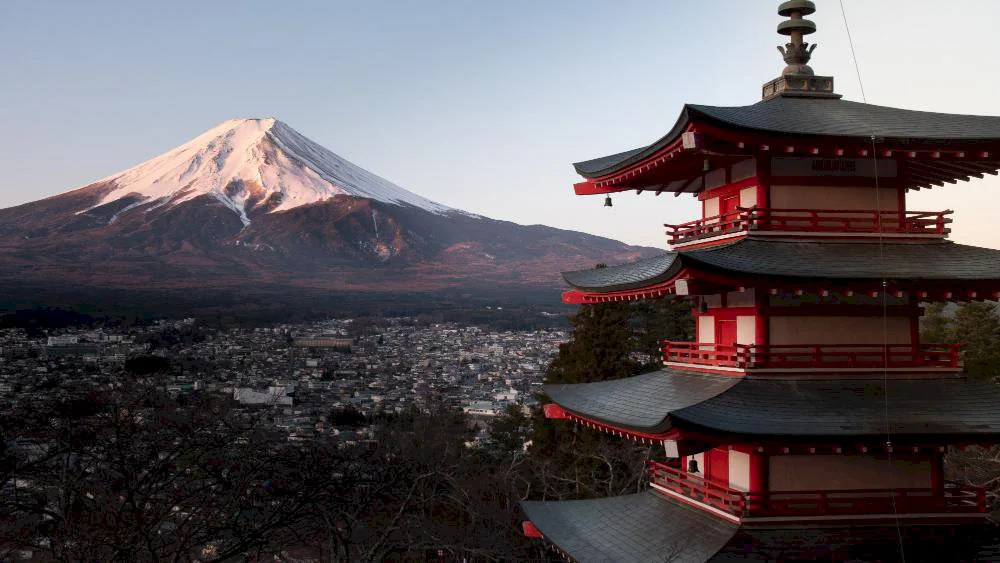
    Japan overwhelmingly ranked first, with search volume 2.7 times greater than that of Vietnam, which ranked second. There was particularly high demand for major cities such as Tokyo, Osaka, and Fukuoka. Thanks to the continued weak yen and excellent accessibility, Japan has become a favored and affordable destination for South Korean travelers.

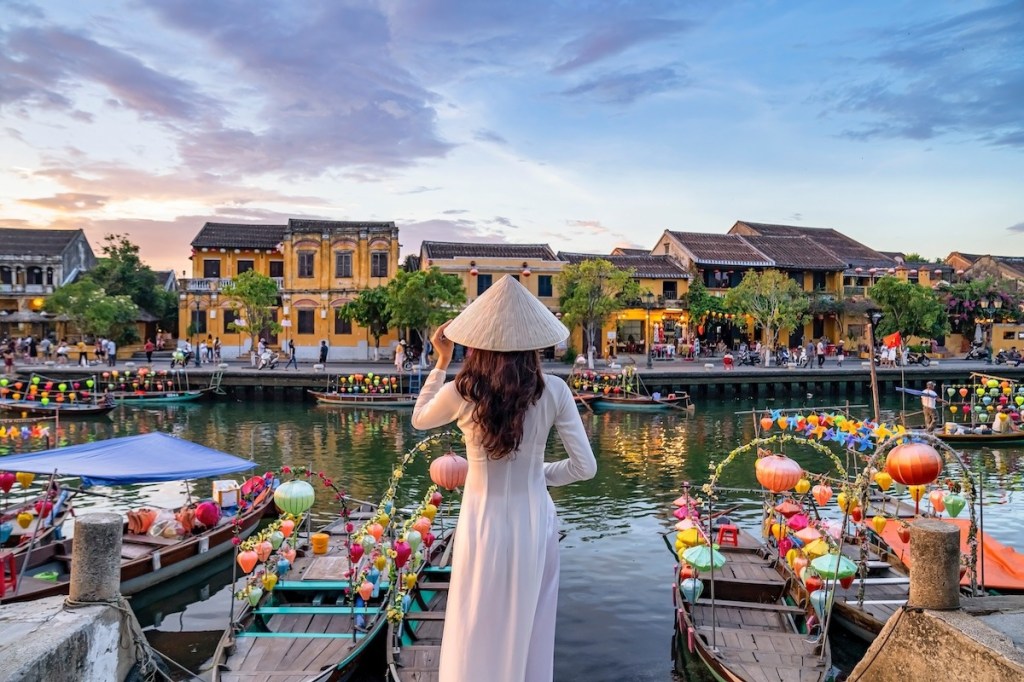
    Vietnam ranked second, with its low airfare and affordable local food and transportation costs allowing for budget-friendly trips. In particular, Da Nang has become a popular cost-effective vacation spot, offering a combination of beach resorts and the ancient town of Hoi An for around 300,000 KRW.

    In addition, demand for group travel has increased.

    Searches for flights for 3 or more people have risen by 77% compared to last year, and searches for flights for 2 people have increased by about 37%. Meanwhile, searches for solo flights have decreased by 11%, indicating a clear trend toward traveling with others rather than solo trips.

  • Busan Set to Achieve 3 Million Tourists, Thanks to APEC

    Busan is on track to become the first city in South Korea to reach 3 million foreign tourists in a single year. This shift in Korea’s tourism landscape, which was once centered around Seoul, is largely attributed to the APEC summit held in Gyeongju at the end of October. The summit wasn’t just another international event—it played a key role in creating a new tourism belt linking Busan and Gyeongju.

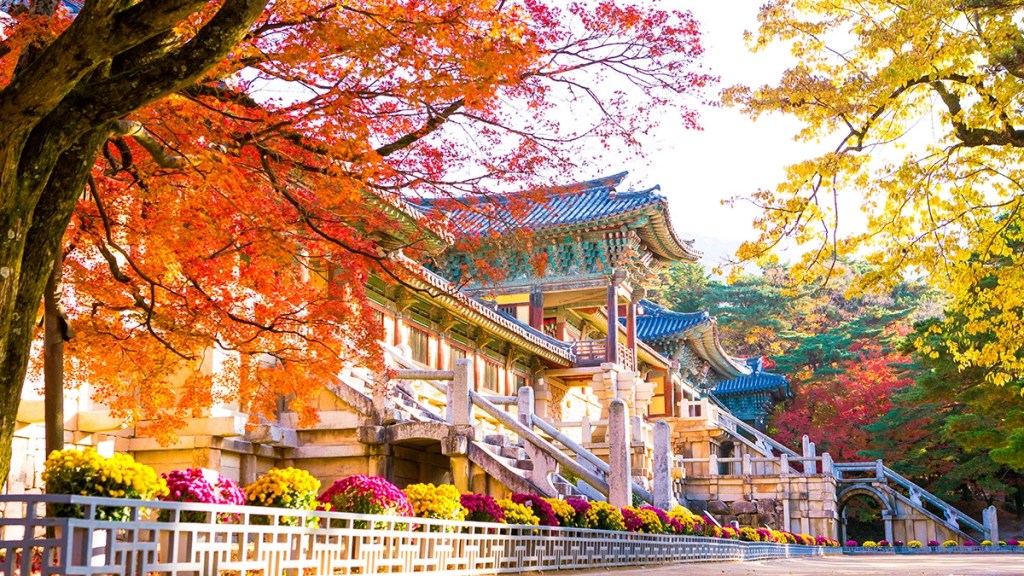
    Gyeongju Bulguksa Temple

    As of October 2025, the number of foreign tourists visiting Busan surpassed 2.35 million, setting a new record. The spending scale also grew by 33.2% compared to the previous year, reaching 6.594 trillion KRW. Notably, in October, the number of high-speed bus reservations for foreigners traveling between Busan and Gyeongju increased by 185% compared to the previous year. Most of these travelers were long-haul tourists from the US, Europe, and Australia, indicating a growing trend of “regional travel” connecting the two cities via Seoul.

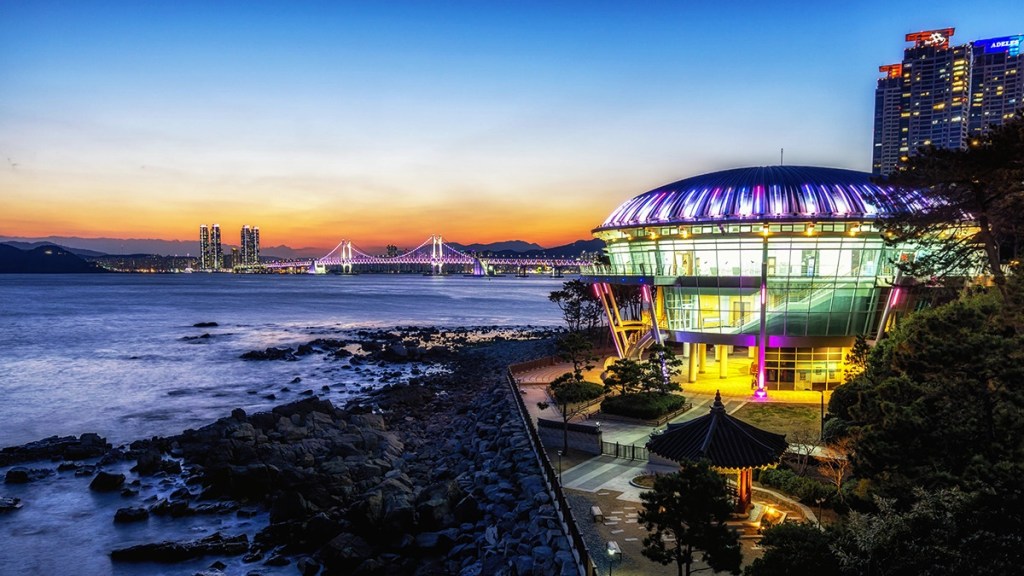
    Busan Nurimaru APEC House

    Experts are predicting that “this APEC summit has successfully merged Busan’s K-culture with Gyeongju’s K-heritage, creating the ‘most Korean regional tourism route’ and leaving a lasting impression worldwide.” They also forecast that Busan’s goal of 3 million tourists will be easily achieved.

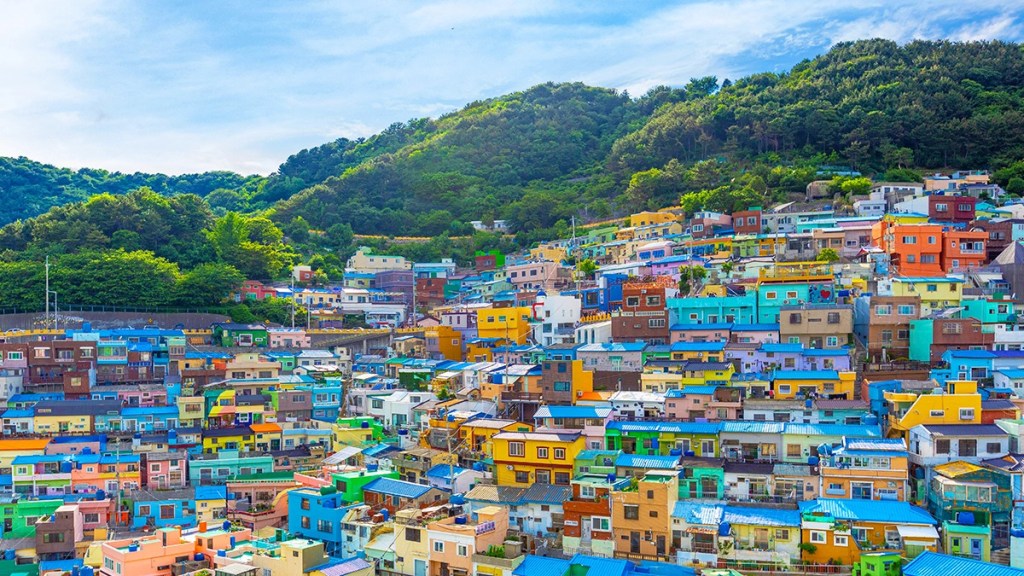
    Gamcheon Culture Village, Busan

    Furthermore, the successful “tourism alliance” between Gyeongju and Busan is seen as an important example of how international events in regions outside of Seoul can build a sustainable local tourism model.

  • Autumn Hikers Warned as Fire Prevention Restrictions Begin Early

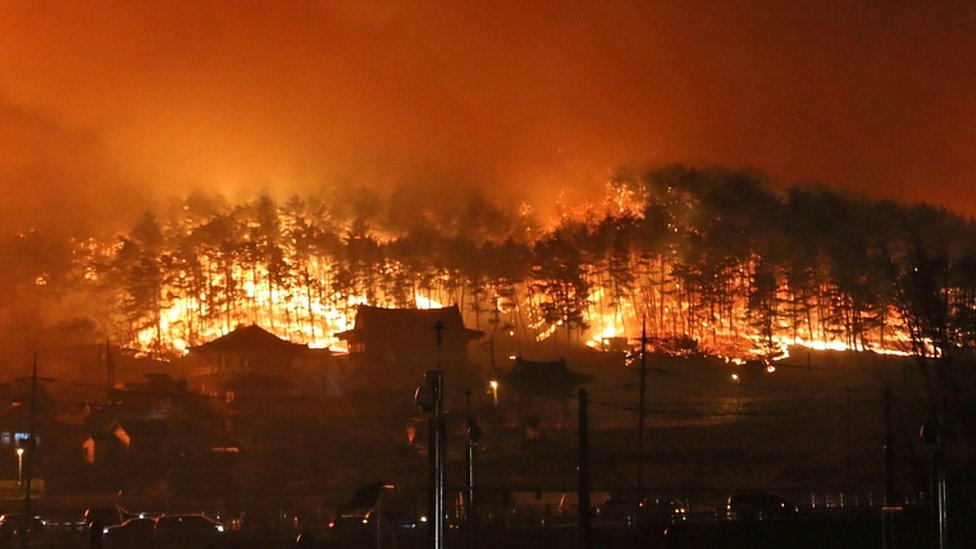
    Hikers eager to enjoy Korea’s vibrant autumn foliage have been met with disappointing news. The government has implemented an early “Autumn Mountain Fire Prevention Entry Ban” beginning October 20 — 12 days earlier than usual.

    The measure, aimed at supporting the upcoming APEC Summit in Gyeongju and responding to climate abnormalities, has sparked debate as it coincides with the peak foliage season. While some criticize the move as excessive, experts view it as a necessary shift toward a new disaster response framework in the era of climate crisis.

    Public sentiment remains largely supportive. According to a survey by the Anti-Corruption and Civil Rights Commission, 89% of respondents agreed with expanding restricted mountain areas, and 81% supported higher fines. Ultimately, the decision is seen as an unavoidable step to protect lives and property from a wildfire risk that has surged eightfold, even at the cost of some seasonal inconvenience.

    The entry restrictions primarily apply to national and municipal forests under the Korea Forest Service. However, national parks such as Seoraksan and Jirisan, managed by the Korea National Park Service, will enforce their usual closure period from November 15 to December 15. Those planning autumn hikes are strongly advised to check access conditions before visiting.

  • Inside KREAM Dosan Flagship: The New Epicenter of Korean Trend Culture

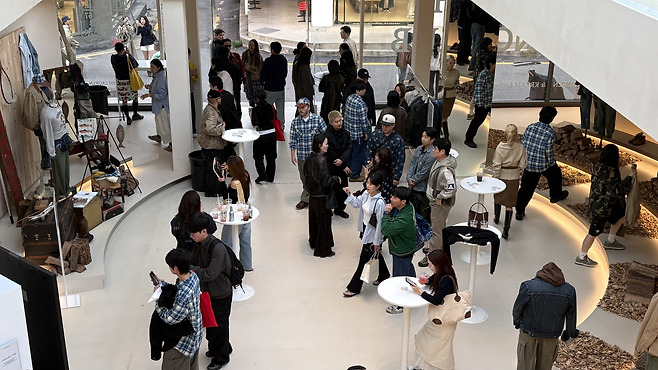
    Limited-edition trading platform KREAM officially opened its first-ever flagship location, “KREAM DOSAN FLAGSHIP STORE,” near Dosan Park in Seoul’s Gangnam District on October 25.

    The store’s concept, titled “YOSAE” (meaning “fortress” and “the present”), reflects KREAM’s vision of creating a safe space for trend-savvy visitors to experience the latest in fashion and lifestyle. Built upon KREAM’s online curation expertise, the store showcases today’s most popular fashion and cultural trends through a highly stylized, community-driven experience.

    Designed as a space where visitors can freely gather, share tastes, and connect through style, the store embodies KREAM’s core identity — “the place to experience the hottest fashion first.”

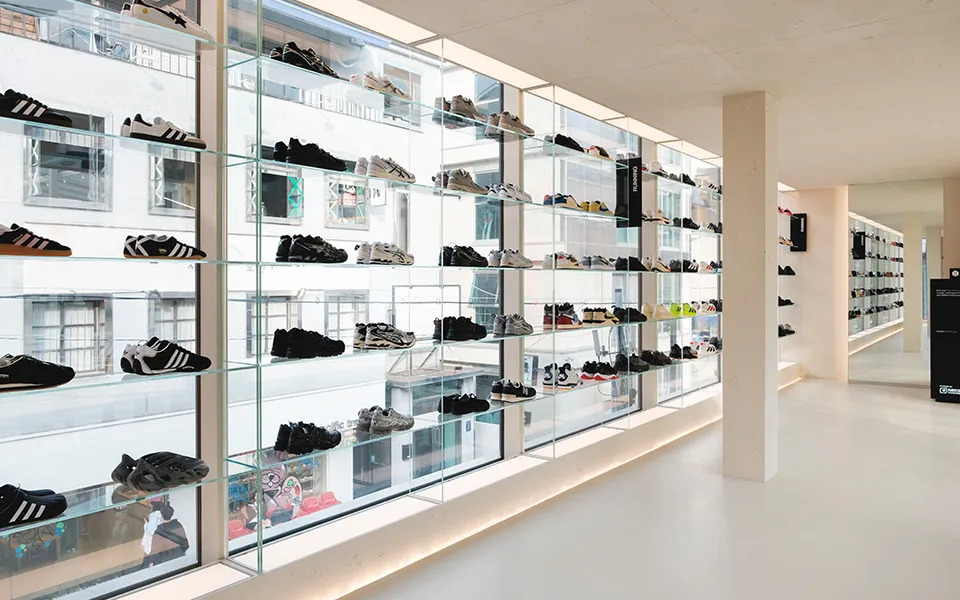
    The KREAM Dosan Flagship Store features a retail zone that offers a wide range of apparel, accessories, and luxury goods. It also includes a curation zone where thematic exhibitions and pop-up events are held. The sneaker zone displays more than 140 pairs of highly sought-after sneakers available for fitting and purchase.

    Additionally, the store provides a private VIP room designed for an exclusive and personalized shopping experience.

    Beyond fashion, visitors can enjoy lifestyle and dining experiences at Peaches, Chef Oh Joon-tak’s restaurant “tak”, and The Coffee, a minimalist-style café — completing a holistic culture of fashion, food, and lifestyle.

    Following its successful offline expansions in Lotte World Mall, Hongdae, and The Hyundai Seoul, KREAM’s first flagship in Dosan marks a defining step in expressing the brand’s philosophy and creative direction.

  • 7-Eleven Unveils ‘New Wave Plus’ Store in Myeongdong, Combining K-Pop & K-Food

    7-Eleven has unveiled its upgraded store concept, ‘New Wave Plus,’ in Myeongdong, Seoul, as part of its next-generation franchise model.

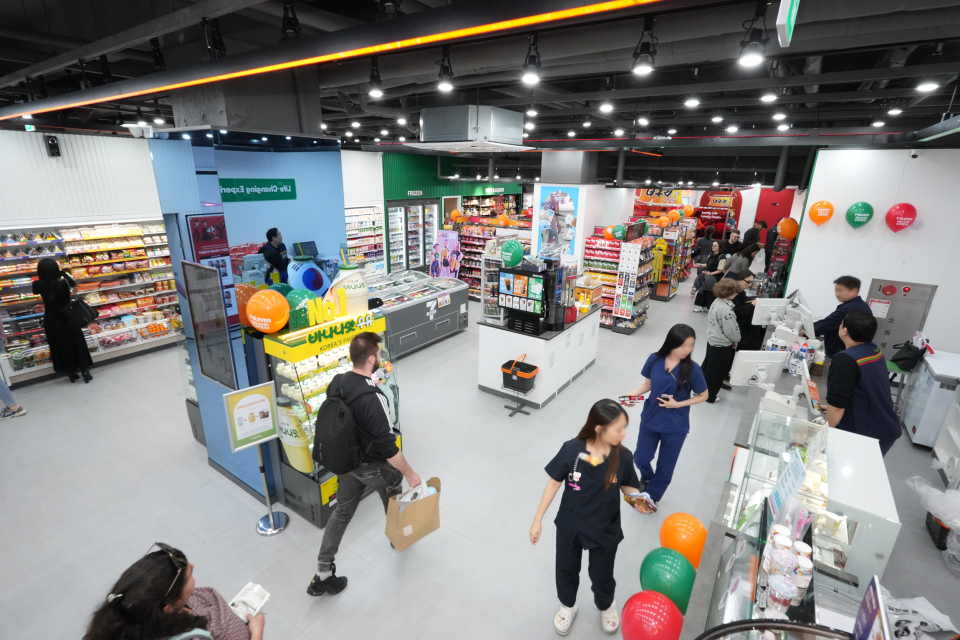
    ‘New Wave Plus’ is a new concept store that enhances the experience of K-food and offers a blend of Korean cultural and fun experiences. Myeongdong, a famous tourist hotspot, has been selected as the first location for this concept.

    The Myeongdong store has strengthened the original ‘New Wave’ model by incorporating immersive sensory experiences. The store spans about 110 pyeong (363.63㎡) near exit 8 of Myeongdong Station and features food stations, fashion & beauty, K-Ramen zones, and new participatory content such as a global K-POP fandom zone and K-event zone.

    A pop-up zone selling K-pop idol goods occupies over 10% of the total store space. Additionally, a “Nuguri Ramen Shop” corner created in partnership with Nongshim features instant ramen-making stations decorated with Nuguri character models. Considering the high proportion of foreign tourists (over 70%), the store also includes a space for selling various souvenirs.

    Furthermore, 7-Eleven plans to open the ‘New Wave Myeongdong Daero’ and ‘New Wave Daejeon Lotte’ stores by the end of the month and is planning further openings in non-capital regions later this year.

  • Wooyang Museum Unveils Lost Works of Nam June Paik

    A special exhibition titled “Nam June Paik: Humanity in the Circuits” featuring 12 works, including major pieces and prints by Nam June Paik, is being held at the Wooyang Museum of Contemporary Art in Gyeongju, South Korea.

    Greeting visitors at the entrance is Ancient Horseman Figure (1991), a work Paik created to commemorate the museum’s opening.

    Reinterpreting the familiar Silla-era relic “Clay Figure on Horseback,” the piece depicts a human made of television sets riding a horse — symbolizing the connection between analog and digital, the local and the global.

    The concept aligns perfectly with the upcoming APEC Summit in Gyeongju (Oct. 31–Nov. 1) under the theme “Connectivity, Innovation, and Prosperity.”

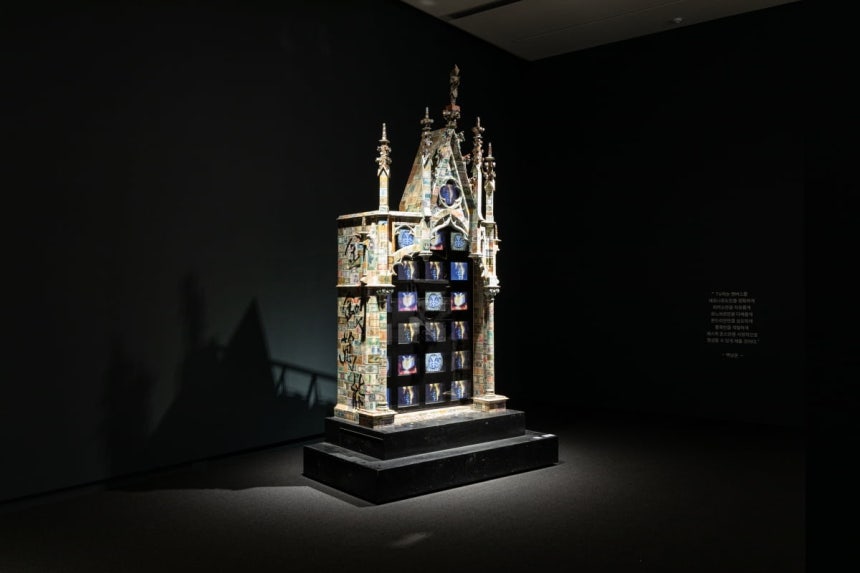
    The exhibition also showcases two rarely seen works from Paik’s iconic My Faust series — Economics and Spirituality.

    Inspired by Goethe’s Faust, the series explores the human condition and modern value systems.

    Economics uses currency and Gothic architecture imagery to critique the worship of capital, while Spirituality employs vivid religious symbols and video structures to question the sustainability of the soul.

    Both works have been restored and revealed for the first time in over 30 years since their last display at the National Museum of Modern and Contemporary Art in 1992.

    Other major works from the 1980s–1990s are also on view, including Electronic Superhighway–1929 Ford, a visionary piece combining a 1929 Ford car with a wooden palanquin and the phrase “Electronic Superhighway,” representing the fusion of tradition and modernity, East and West, past and future.A museum curator noted, “Paik believed that the world could be united through art. This exhibition best reflects that belief.”

    The exhibition runs through November 30 at Wooyang Museum of Contemporary Art, Gyeongju.

  • Adidas Launches ‘CAFÉ 3 STRIPES SEOUL’ — A Fusion of Fashion, Lifestyle, and Communit

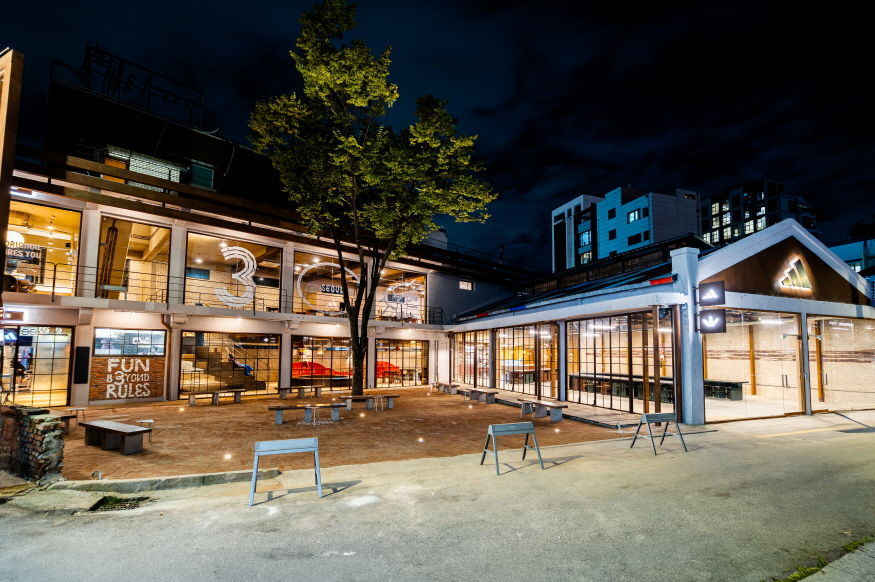
    Adidas Korea will officially open its new concept space, “CAFÉ 3 STRIPES SEOUL,” in Seongsu-dong, Seoul, on October 25.

    Designed as a community hub that bridges sports, fashion, and lifestyle, the new café is positioned as a cultural hotspot where visitors can share their tastes and experience new trends.

    The building’s exterior draws inspiration from German industrial design, blending concrete, brick, and steel structures to create a balance between classic and modern aesthetics. Inside, the iconic three stripes motif appears throughout, highlighting the brand’s signature identity.

    The café’s menu features around 50 items, including a cake shaped like the Adidas logo and a variety of bakery and beverage selections that reflect Gen Z’s focus on healthy living.

    Developed in collaboration with Dore Creative Crew, the health-conscious menu goes beyond typical café offerings — embodying Adidas’s philosophy of an “active lifestyle.”

    A private fashion show titled “FUN BEYOND RULES CROSSING” will take place in the café’s yard on October 24 at 7 PM, unveiling looks from the FW25 season.

    The event will showcase new products across multiple lines, including Originals, Running, Outdoor, and Sportswear.

    More details can be found on Adidas’s official website and Instagram.

  • Korea Turns Chilly: Early Winter Weather Arrives Ahead of Schedule

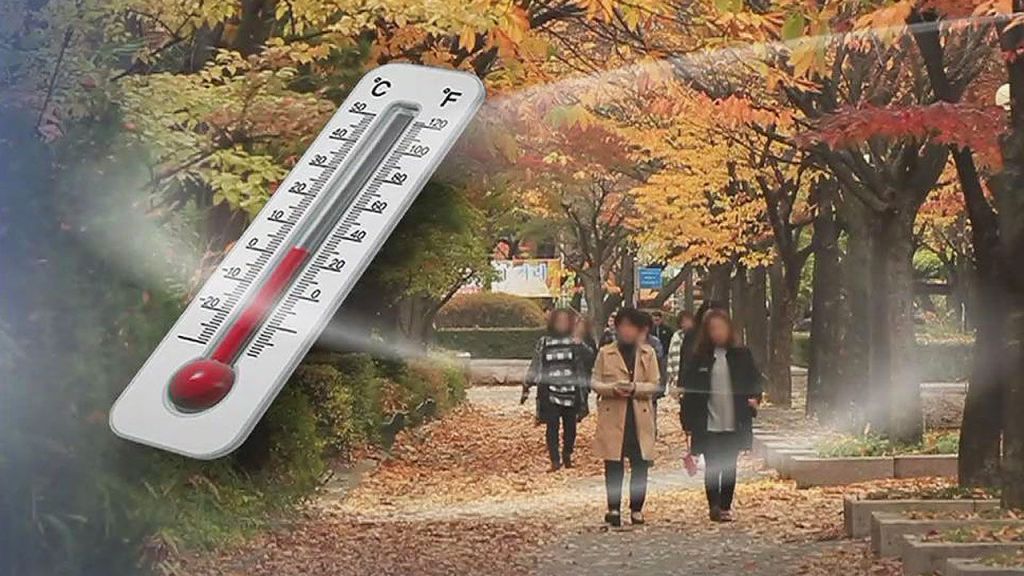
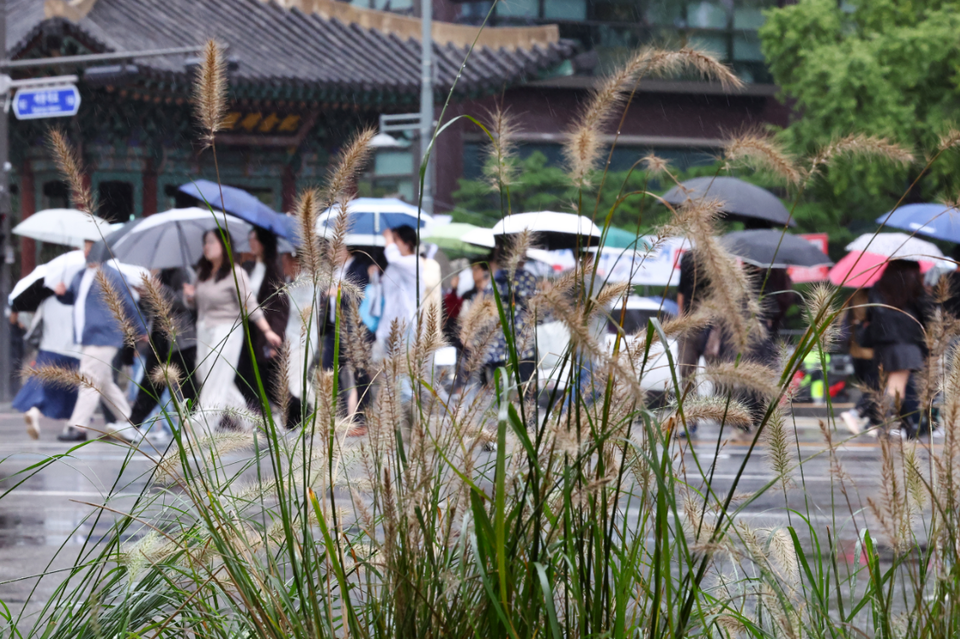
    This week, South Korea is expected to experience an early winter chill as a result of a cold continental high-pressure system.

    According to the Korea Meteorological Administration (KMA), morning temperatures on the 20th will drop to between 2°C and 15°C, with a chance of first snow in the highlands of northern Gangwon Province. On the morning of the 21st, the temperature may dip to 1°C, and the wind chill in northern Gyeonggi could fall close to freezing. Daytime highs will range from 12°C to 22°C, but strong northwesterly winds will make it feel much colder.

    The cold weather is expected to persist through midweek.

    Frost and thin ice may form in inland areas during early mornings, raising concerns about crop damage. Starting from the weekend (around the 23rd), morning temperatures are expected to rebound slightly to between 6°C and 15°C.

    Meanwhile, rain is expected mainly in eastern Gangwon Province, with 10–50 mm forecast between the 20th and 21st, and 5–30 mm in parts of northern Gyeongbuk and surrounding mountain areas. In high-altitude regions above 1,200 meters, about 1 cm of snow may accumulate. Busan, Ulsan, and Jeju coastal areas will see strong winds and high waves, and additional rainfall is forecast for October 22 and 23–24 along the east coast.

    Overall, the country will see mostly clear or partly cloudy skies this week, but visitors to Korea are advised to dress warmly and take care of their health as temperatures drop sharply.

  • UNESCO Recognizes Magoksa as a Cultural Heritage Site for Its Fall Beauty

    Magoksa, a temple with over a thousand years of history, is a sacred place that has endured through wars and disasters, retaining its original form, earning the title of “Ten Victory Lands”.

    Located at the foot of Mount Taehwa in Gongju, Chungcheongnam-do, Magoksa was founded in 640 by Jajang Yulsa during the reign of Queen Seondeok of Silla. Despite its long history, the temple has maintained its form and significance without much damage.

    In recognition of its unique value, Magoksa, alongside Beopjusa and Tongdosa, was inscribed as part of the “Mountain Monasteries of Korea” on the UNESCO World Heritage list in 2018. It is not only an ancient temple but also a living testament to the continuous tradition of Korean Buddhist practice since the 7th century. Visitors can experience the tranquility of a space infused with over a millennium of Buddhist spirit simply by walking through the temple grounds.

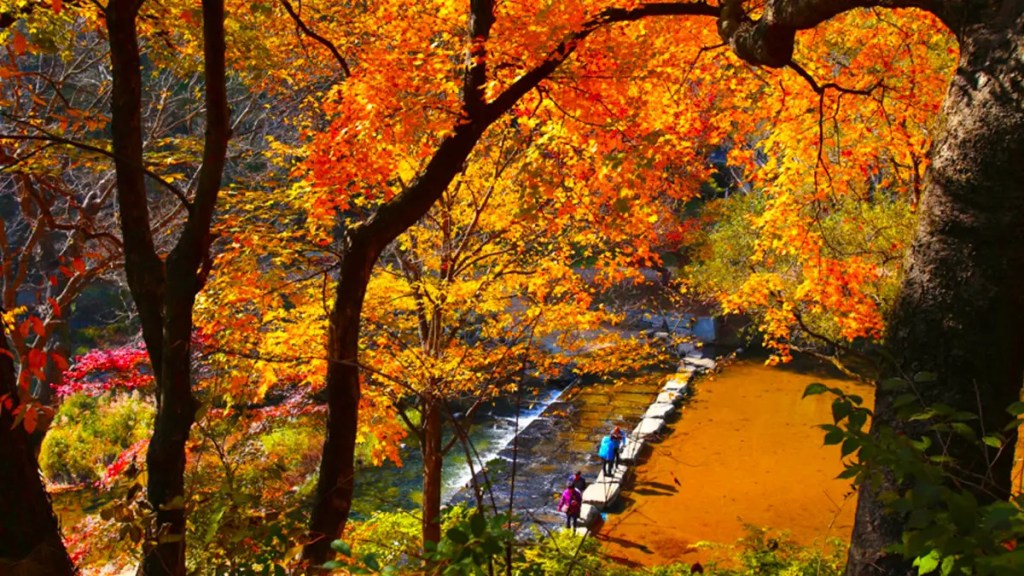
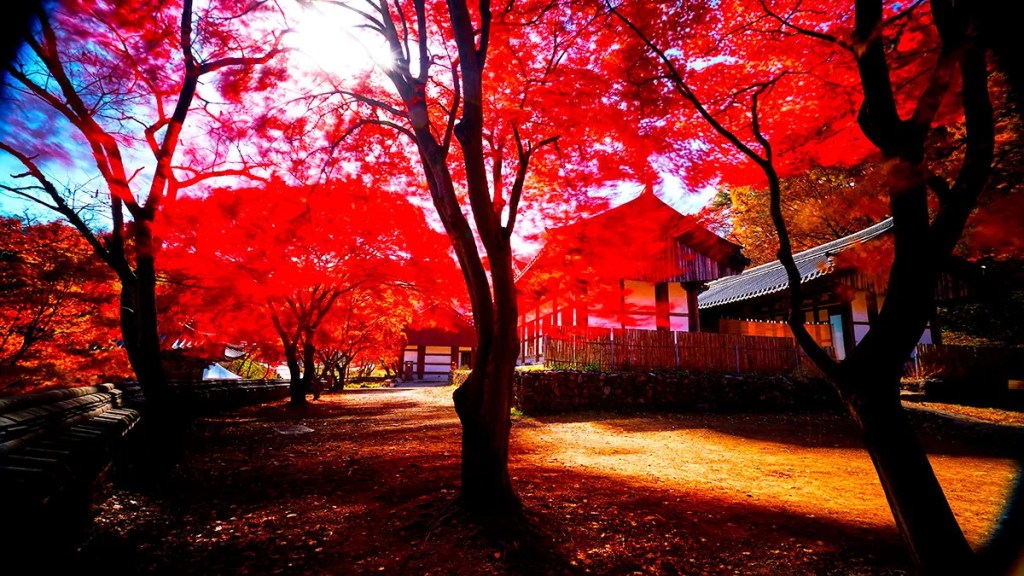
    During the fall, Magoksa transforms into another breathtaking landscape. From late October to early November, the red and yellow leaves of the trees color the Taehwa Stream, creating a scene that blends with the peaceful temple surroundings, like a traditional East Asian painting. With affordable entry fees, it’s a perfect destination to experience both history and autumn beauty.