Category: Uncategorized

  • “The Devil Wears Prada 2”, Meryl Streep and Anne Hathaway’s Historic Visit to Seoul

    Hollywood icons Meryl Streep and Anne Hathaway, stars of the highly anticipated sequel “The Devil Wears Prada 2,” visited South Korea to promote the film ahead of its theatrical release on April 29th.

    At a press conference held at the Four Seasons Hotel Seoul on the morning of April 8, 2026, the duo shared their excitement about returning to their iconic roles after 20 years and their impressions of the vibrant city of Seoul.

    This visit marks a historic first for Meryl Streep, while Anne Hathaway returned to the country for the first time in eight years since her last visit in 2018.

    During the event, Hathaway revealed that the famous “Starfield Library” at COEX Mall has long been a destination on her personal bucket list.

    Meanwhile, Streep shared a charming personal anecdote, mentioning that her six grandchildren are currently obsessed with “K-Pop Demon Hunters,” highlighting the undeniable global influence of K-culture even within Hollywood households.


    To commemorate their visit, the production team presented the two stars with a unique gift: red high heels inspired by “Kkotsin” (traditional Korean flower shoes).

    Hathaway expressed her deep appreciation for the gesture, admiring the “immense craftsmanship” of the shoes and calling them treasures she would cherish to remember this special day in Seoul.


    [ONLINE-KOREA: Letter from Korea]

    Hi everyone, good morning, afternoon, and evening! 😄🖐️

    It has been 20 years since the first film was released in 2006. Seeing the two leading actresses visit Korea for the production of the sequel to The Devil Wears Prada left me deeply impressed 😮

    Their timeless radiance after two decades is a clear testament to the immense passion and investment they have poured into self-management💡

    Since the pandemic, remote work has become more common for us than in-person meetings, and I feel we have become less attentive to our appearance.

    However, witnessing these world-class stars continue such tremendous efforts made me wonder, “Am I putting in even a tenth of the effort they do?”⚠️

    Regardless of whether we are meeting someone or not, no one knows when or where a new business opportunity or encounter will arise. Today was a day that reminded me once again to re-examine “grooming” as a form of respect for others and to maintain the basic standards🕴️

    Best regards,

    ONLINE-KOREA


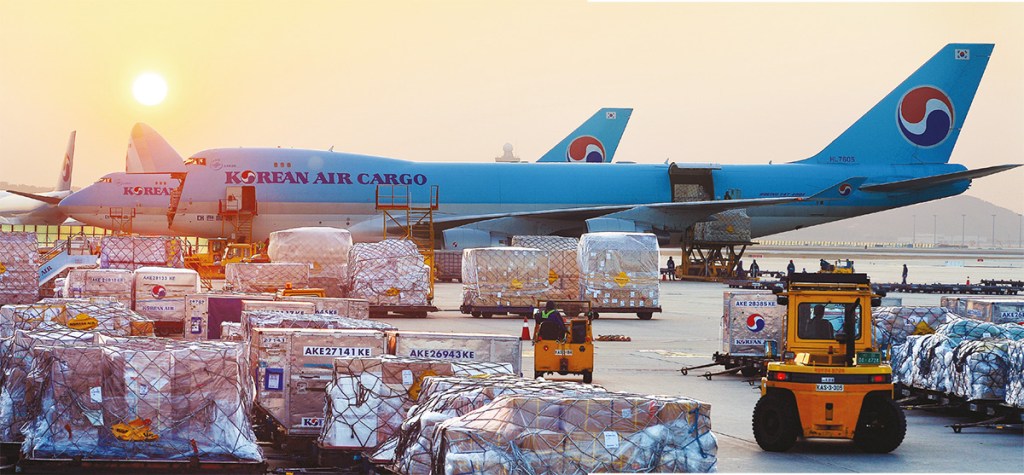
  • Shipping from Korea: EMS vs. DHL vs. UPS – Which is Best for You?

    Are you unsure which service to use when purchasing items in Korea and having them delivered to your country?

    We have compared the features of the major Global Shipping Services, including Korea Post EMS and global express carriers DHL and UPS, in a simple and easy-to-understand way.

    Shipping costs are just as important as the price of the product.

    Check out how to reduce unnecessary expenses and receive your delivery in the most reasonable way.

    Category📮 EMS (Post Office)📦 DHL / 🚛 UPS
    SpeedStandard (3~7 Days)Very Fast (1-3 Days)
    CostRelatively LowerRelatively Higher
    PricingActual Weight vs. Volumetric WeightActual Weight vs. Volumetric Weight
    ProsRelatively Flexible CustomsRapid Delivery, Precise Real-time Tracking
    Recommended forPersonal Gifts, Apparel, Small ParcelsBusiness Samples, Urgent Cargo, High-value Items, Heavy Cargo

    1.Three Key Checkpoints You Must Know

    ① ‘Volume’ is as Important as Weight (Beware of Volumetric Weight)

    Many customers believe that shipping rates are calculated solely based on the weight measured on a scale (actual weight). However, all international shipping also considers ‘volume.’ Large but light items, such as plush toys or blankets, can become expensive depending on the box size.

    ② Precision of ‘Delivery Speed’ and ‘Tracking’

    💡In a hurry? 

    DHL and UPS operate their own aircraft and aim for delivery within 3 days anywhere in the world.

    💡Can you wait? 

    EMS takes relatively more time but is more economical in terms of price. However, after arriving in the destination country, it is affected by the delivery speed of that country’s local post office.

    ③ The Wall of Taxes and ‘Customs’

    EMS: Classified as postal mail, customs clearance often tends to be smoother (advantageous for small purchases).

    DHL/UPS: Classified as commercial cargo, customs procedures are very strict and fast. If customs duties occur, the customer (recipient) is contacted immediately, and delivery proceeds right after payment.


    2.Best Choices for Global Shipping Services by Situation

    • “I want to receive personal items like Korean clothes and cosmetics cost-effectively.” 👉 We recommend EMS.
    • “It’s a business sample, so I must receive it within this week.” 👉 DHL is the most reliable option.
    • “I’m sending heavy and large luggage.” 👉 UPS provides a stable infrastructure.

    💫Your Closest Partner in Korea, ONLINE-KOREA
    ONLINE-KOREA goes beyond simply sending items; we manage every step of the process to ensure that your valuable purchases arrive in the best condition through the most economical route.

    If you are unsure about choosing a shipping method or require an accurate quote, we will suggest a shipping solution that perfectly fits your situation.

    In addition, we can also accommodate shipping services you are already using, so please let us know and we will respond accordingly.

    Please feel free to contact our customer center (contact@online-korea.com) at any time.😄👌


  • International Fuel Surcharges Triple as of April 1st

    Starting April 1st, 2026, fuel surcharges applied to international airfares by various airlines have risen by more than three times compared to the previous month.

    Korean Air’s one-way fuel surcharge for U.S. routes increased from 99,000 KRW last month to 303,000 KRW, resulting in a 606,000 KRW charge for round-trip tickets. Asiana Airlines and various low-cost carriers (LCCs) have also implemented significantly increased fuel surcharges as of today.

    There is a high possibility that fuel surcharges will rise even further starting next month. The average price of jet fuel on the Singapore spot market reached $5.33 per gallon as of late last month, up from $3.27 earlier in the period. Since the period reflected in next month’s surcharge overlaps with ongoing global conflicts, projections suggest even higher levels than current rates.

    As airfare prices rise significantly due to the surcharge hike, passenger demand is expected to decrease.

    Consequently, Korean Air transitioned to an emergency management system this month, and Asiana Airlines decided to reduce flight frequency on four international routes by a total of 14 round-trips through next month. Airlines are currently implementing stepped response measures to manage the extreme fluctuations in oil prices.


     [ONLINE-KOREA: Letter from Korea]

    As you may have heard, the instability in the Middle East and the ensuing surge in international oil prices have caused a logistical emergency. Fuel surcharges for airlines worldwide have skyrocketed, increasing more than threefold compared to last month.

    In such a crisis, how can you minimize the burden of shipping costs when shopping from abroad❓

    💡First, actively utilize “Consolidation Services.”

    Ordering separately from multiple malls means paying basic shipping fees and surcharges every time. By having a single partner gather your items and ship them in one box, you can significantly lower the unit shipping cost per item.

    💡Second, reducing volume is the key to saving money.

    Airfreight is calculated not only by weight but also by the “box size” (volumetric weight). By choosing a provider that minimizes wasted space and excess packaging, even a 1cm reduction in size can shift your shipment into a lower price bracket.

    💡Finally, consider “Sea Freight” options.

    For items that are not urgent, or for heavy household goods and books, we recommend sea freight over air. Although it takes longer, it is the most reliable way to save costs in this era of high oil prices.

    Despite the global logistics crisis, I believe we can navigate these challenges by choosing the shipping options that best fit your needs. ONLINE-KOREA remains committed to being your most economical and secure shopping partner. Please feel free to contact us with any questions😄👌


  • Tradition vs. Identity: The Heated Debate Over Gwanghwamun’s Plaque

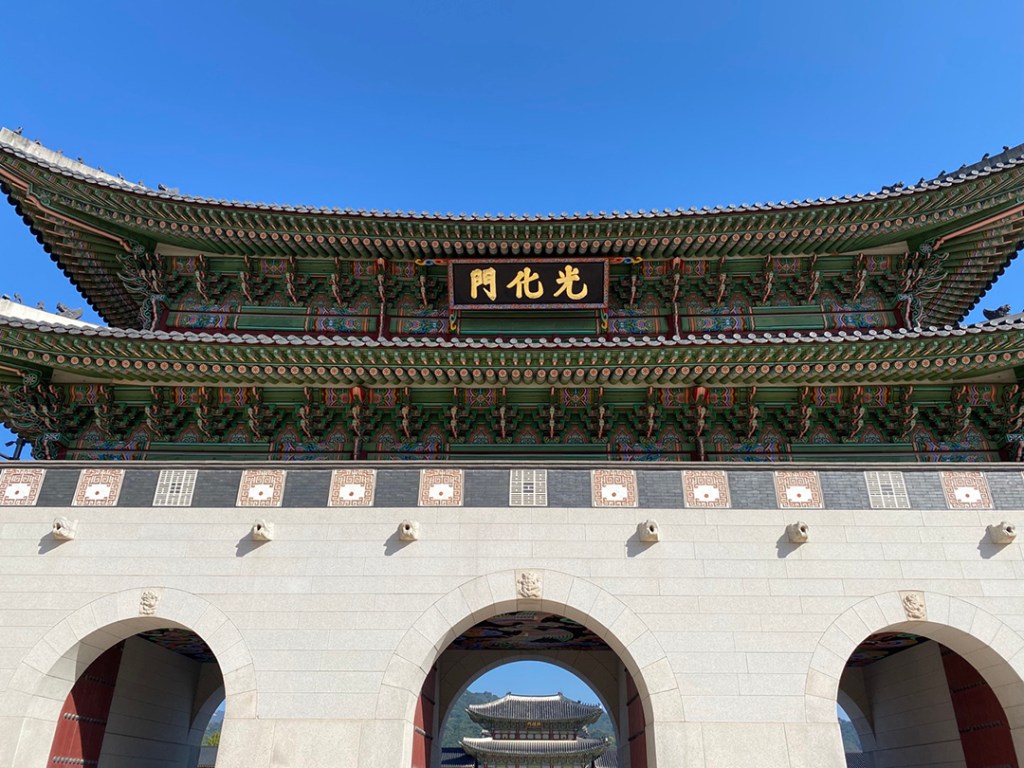
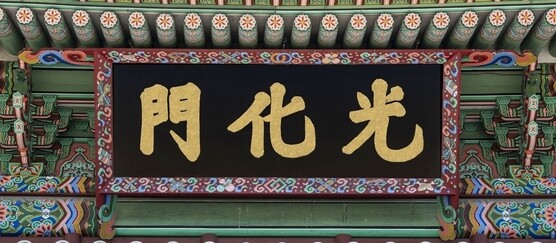
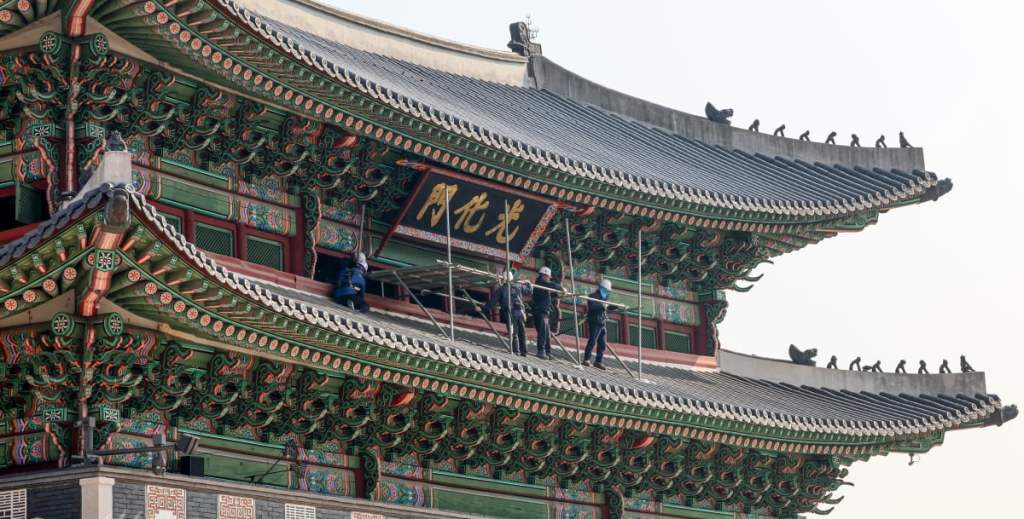
    A heated debate erupted at the “Gwanghwamun Plaque Forum” held on March 31st at the National Museum of Korean Contemporary History.

    The discussion centered on a proposal by the Minister of Culture, Sports and Tourism to install an additional Hangeul (Korean alphabet) plaque beneath the existing Hanja (Chinese characters) plaque on Gwanghwamun Gate. The gate’s signage has historically shifted between Hangeul (installed in 1968) and Hanja (restored in 2010), making this a highly sensitive issue involving national symbols and historical authenticity.

    Supporters argue that displaying Hangeul at Gwanghwamun is essential for projecting South Korea’s cultural identity to the world. Representatives from Hangeul advocacy groups stated that Hangeul is the bedrock of the nation’s spirit and that its absence at a major national landmark is an oversight of constitutional values.

    On the other hand, historians and architects strongly oppose the plan, citing the principle of “historical integrity.” They argue that altering a heritage site according to modern trends constitutes the manipulation of historical evidence and that the focus should remain on preserving the gate’s original Joseon-era restoration.

    The Ministry of Culture, Sports and Tourism plans to continue gathering opinions through expert investigations and national surveys. A dedicated online feedback board will be opened on the ministry’s website to ensure a democratic decision-making process. As Gwanghwamun stands as an intersection of tradition and modernity, finding a middle ground between historical accuracy and contemporary identity remains a complex challenge for the administration.


    [ONLINE-KOREA: Letter from Korea]

    Recently, there has been a push in Korea to add a Hangul plaque to Gwanghwamun Gate. Personally, I fail to see the practical value in this. I believe the true essence of a cultural asset lies in “preserving its original form,” not in modern modifications for symbolic reasons.

    Furthermore, the world is currently in a state of chaos, and South Korea is facing its own critical crossroads. In such a precarious time, I find it difficult to justify pouring so much national energy into a single plaque. Aren’t there far more urgent tasks to be addressed for the sake of the nation’s future?

    Rather than clinging to symbolic performances, I sincerely hope that those in charge recognize what the real priorities are. In business, we value “essence” and “efficiency.” What we need to protect right now is not a script from the past, but our readiness for an uncertain future.

    How do you perceive the gap between symbolic politics and the pressing realities of a national crisis?


  • Rising Physical Inactivity: 2 in 10 Korean Adults Give Up Exercise Due to ‘Time Poverty’

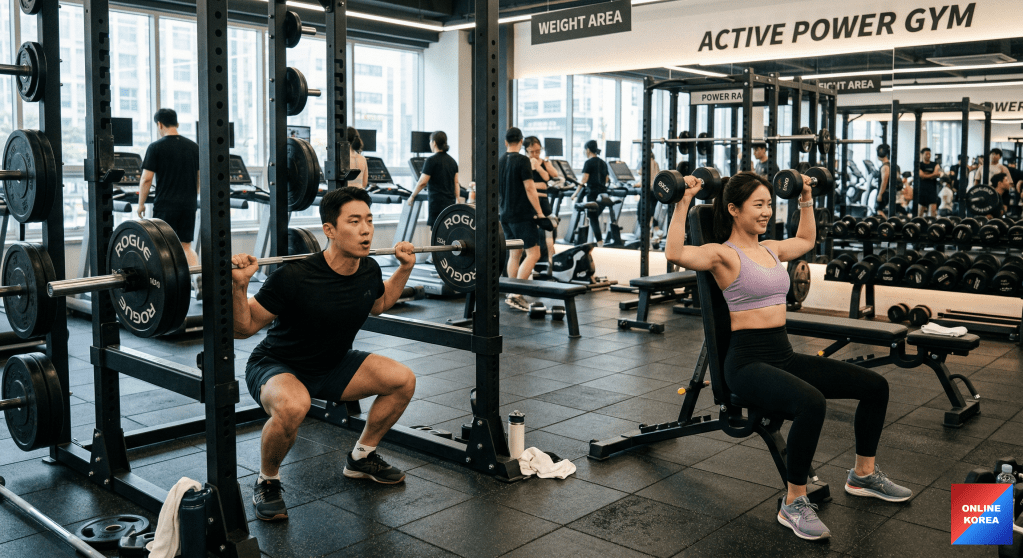
    According to the “2025 Health Perception Survey,” the percentage of Korean adults who do not exercise at all has risen to 12.7%, a significant jump from previous years. When including those who exercise less than once a month, over 21% of the population is effectively living a sedentary lifestyle. While Koreans score high on personal hygiene (4.2/5.0), their engagement in active physical or social activities remains alarmingly low.

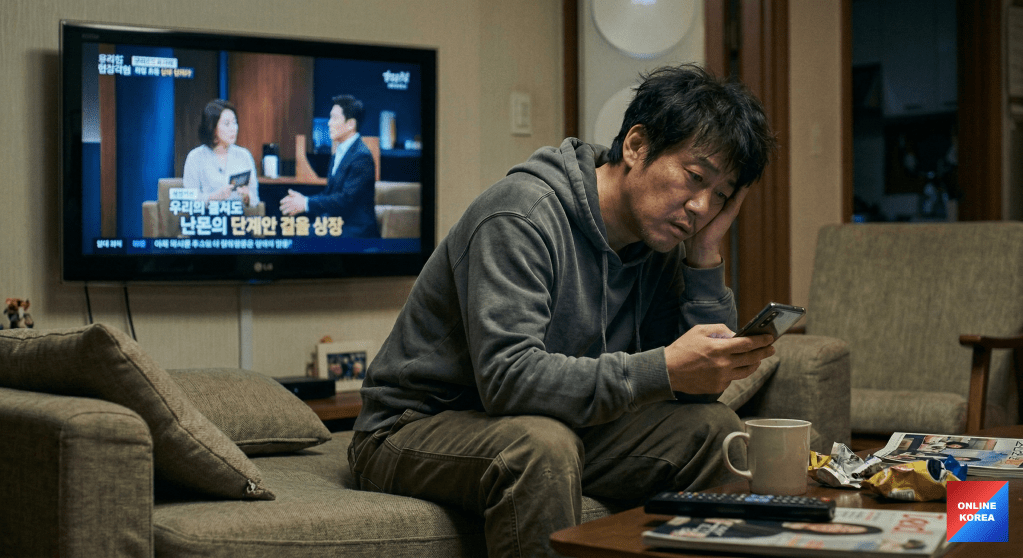
    The primary culprit is “Time Poverty,” with 72.2% of non-regular exercisers citing a lack of time as the biggest obstacle. With some of the longest working hours in the world and an average of two hours spent commuting daily in the Seoul metropolitan area, many find themselves physically and mentally exhausted by the end of the day. This exhaustion leads people to choose passive rest, such as watching TV or using smartphones, rather than active workouts at the gym.

    Experts emphasize that this is a structural issue rather than a lack of personal will. About 74.3% of respondents agree that national investment in health must be expanded, particularly to address the challenges of an aging society. As individual efforts reach their limits, there is a growing consensus on the need for systemic changes and policy support to integrate physical activity into the daily lives of overworked citizens.


     [ONLINE-KOREA: Letter from Korea]

    South Korea has the dishonorable reputation of being a “physically inactive nation.” In an attempt to defy that statistic, I somehow managed to break my own elbow and knee instead😭

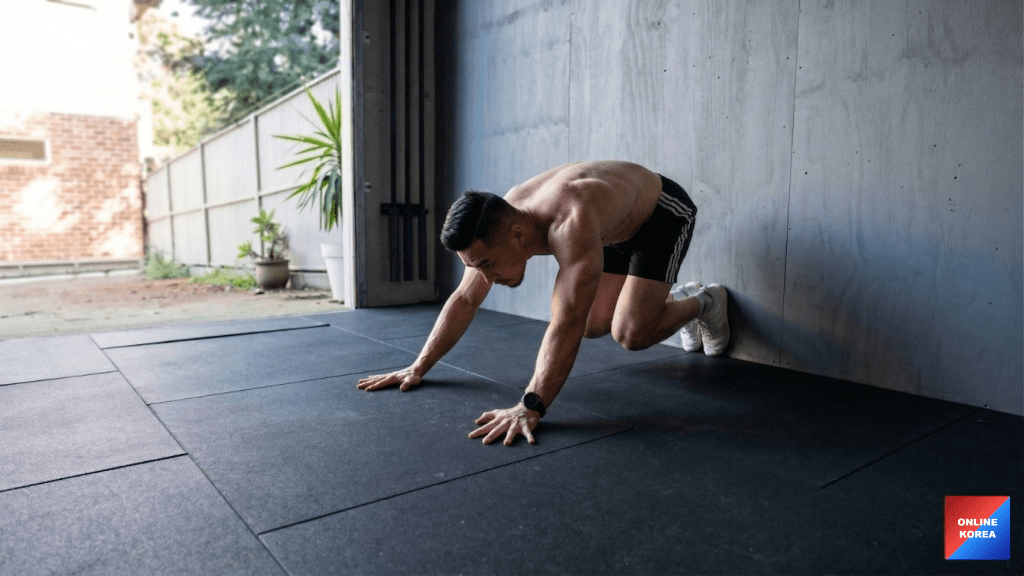
    <Tyson Push-ups>

    Last winter, I came across a workout called “Tyson Push-ups” on YouTube. Driven by a surge of groundless confidence—thinking I could finally get that lean, toned physique—I jumped into it, which turned out to be the end of my luck. Instead of becoming a “Tyson,” I ended up living the life of a “patient” all winter. The only things I gained as compensation for taking a break from exercise were extra weight and a body that gets out of breath far too easily😰💦

    I have truly realized that whether it is studying or running a business, everything is ultimately a “battle of stamina.”

    Please, do not let your ambition outpace your physical limits like I did. I sincerely hope you take good care of your health with exercises that truly “fit you.”After all, good health is the prerequisite for enjoying any of life’s pleasures💪❗


  • CJ CheilJedang Establishes World’s First Fully Automated Frozen Kimbap Production Line

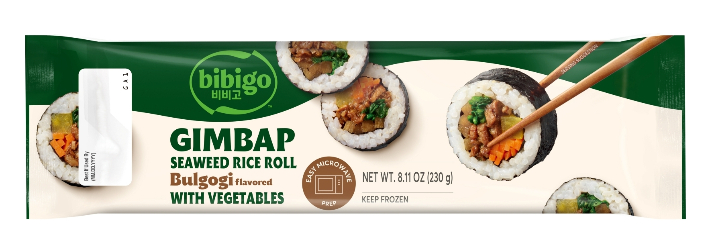
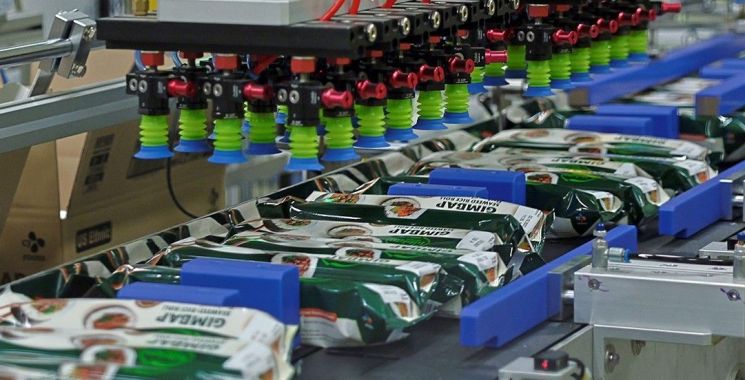
    CJ CheilJedang has announced the establishment of a fully automated production facility for frozen kimbap at its CJ Blossom Campus in Jincheon.

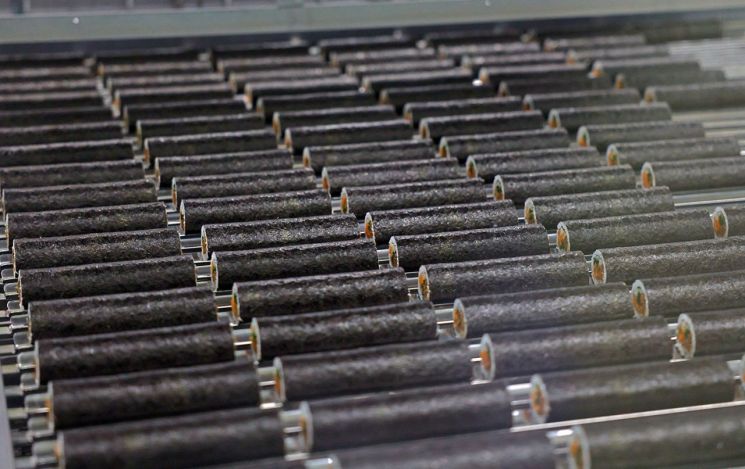
    This marks the first time in the food industry that the entire process—from ingredient insertion and rolling to cutting and tray loading—has been automated. Developed in-house over 18 months, the system significantly increases production speed while maintaining consistent weight and meeting strict global hygiene standards.

    Leveraging its expertise in rice cooking and rapid-freezing technology, the company has optimized the texture and appearance of its “bibigo” frozen kimbap.

    Since its launch in 2023, the product line (including Bulgogi, Kimchi Cheese, and Tuna Mayo) has reached 25 countries, surpassing 8 million units in cumulative sales. With an average annual revenue growth rate of 130%, frozen kimbap has emerged as a rising star in the K-food sector.

    With the new Jincheon production base, CJ CheilJedang plans to accelerate its global expansion, particularly focusing on the U.S., Europe, and Australia.

    The company aims to increase its presence in major U.S. grocery chains in the second half of this year. An official stated, “This is a strategic investment to accelerate the expansion of K-food territory beyond just scaling up production,” emphasizing the goal to establish bibigo as the definitive global K-kimbap brand.


    [ONLINE-KOREA: Letter from Korea]

    Kimbap was once considered a challenging item for global mass production due to its labor-intensive nature, but it has now evolved through “robot algorithms” 🤖.

    Yet, looking at those perfectly standardized rolls lined up on the production belt, I can’t help but think that the slightly uneven, warm “handmade Kimbap” is the real deal👩‍🦰❤️

    At ONLINE-KOREA, our mission is to deliver the best of Korea to the world, but unfortunately, we cannot deliver a freshly cooked, warm meal directly to your doorstep. If you ever visit Korea, I highly recommend trying authentic, handmade Kimbap. It has a depth of flavor and emotion that even the best technology cannot fully replicate😄💕

    Of course, you’d need to find a truly great restaurant to get the best taste, wouldn’t you?😜


  • Safety First or Public Waste? The Controversy Over BTS Gwanghwamun Concert Mobilization

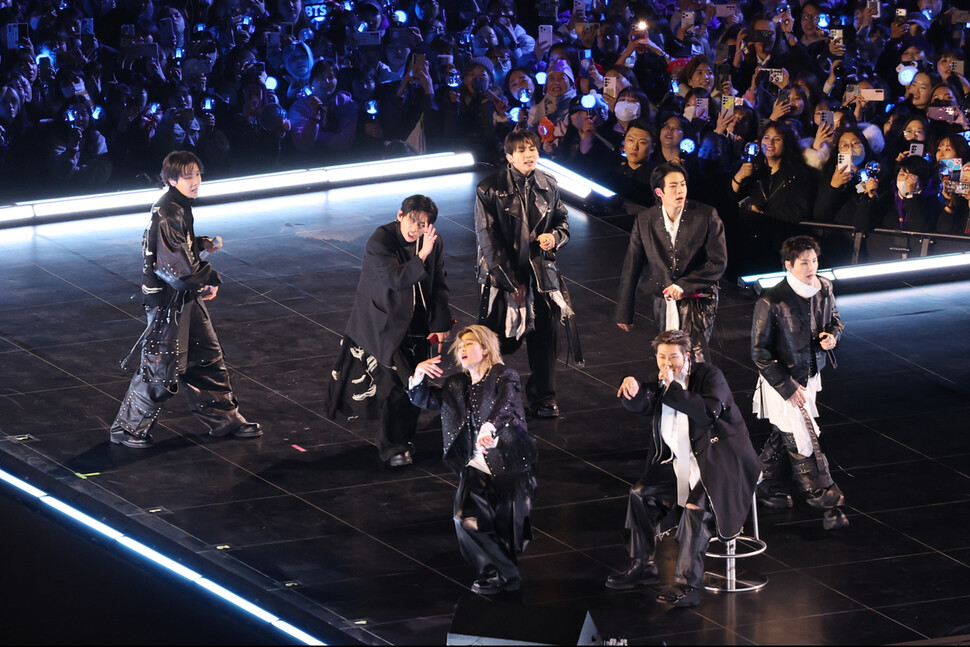
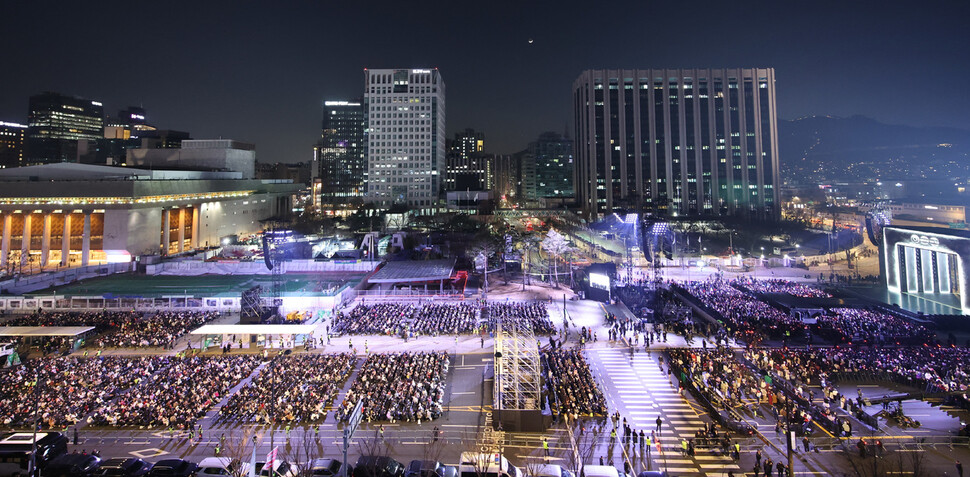
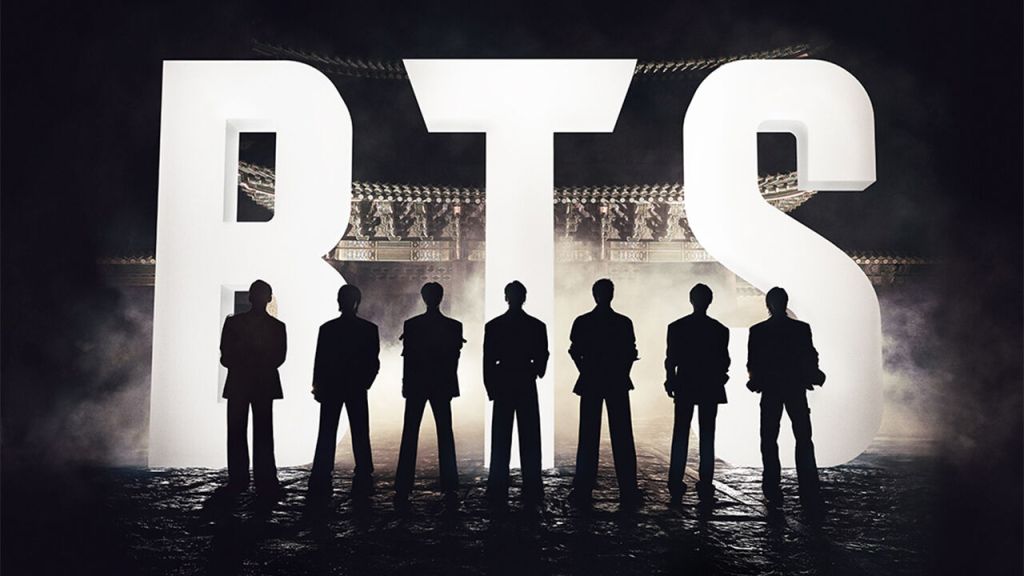
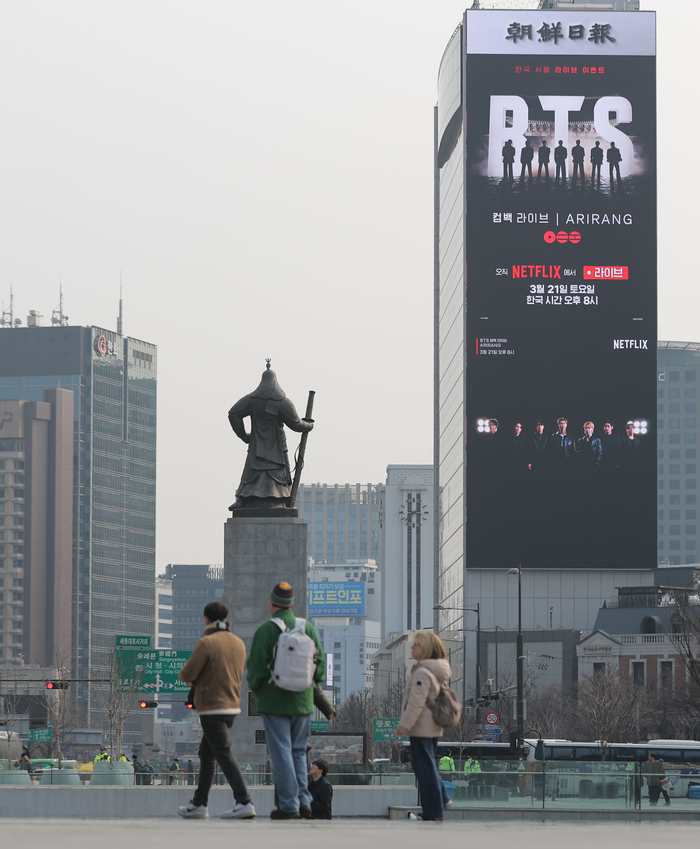
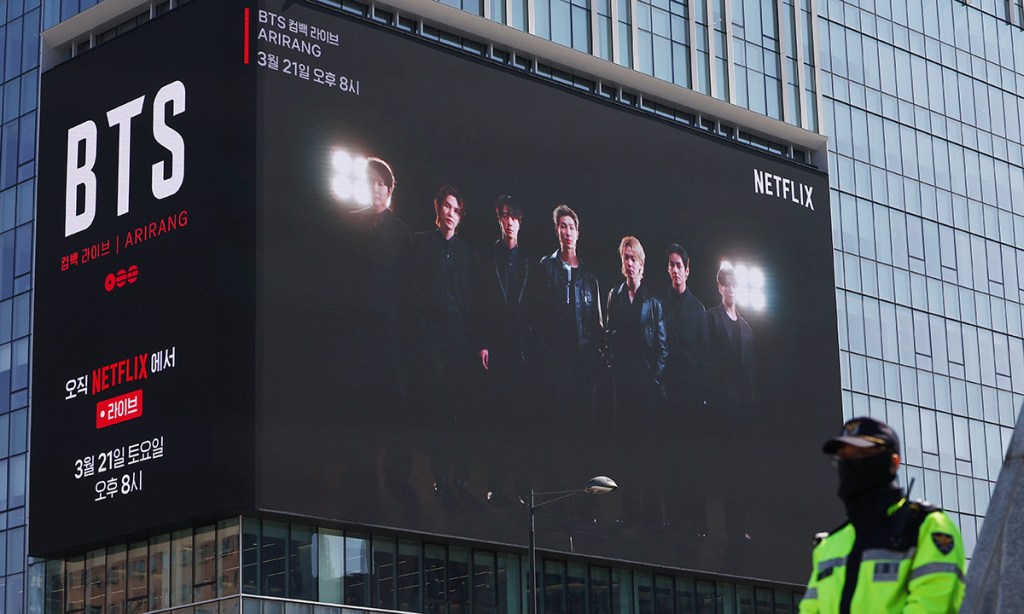
    Following the BTS comeback performance at Gwanghwamun Square on March 21, 2026, a heated debate has emerged regarding the mobilization of over 10,000 public officials.

    While police and Seoul city officials initially forecasted a massive crowd of up to 260,000, actual attendance was significantly lower.

    HYBE estimated the crowd at 104,000, while the Ministry of the Interior and Safety’s (MOIS) digital tracking system recorded only 62,000—a major deviation from the original predictions.

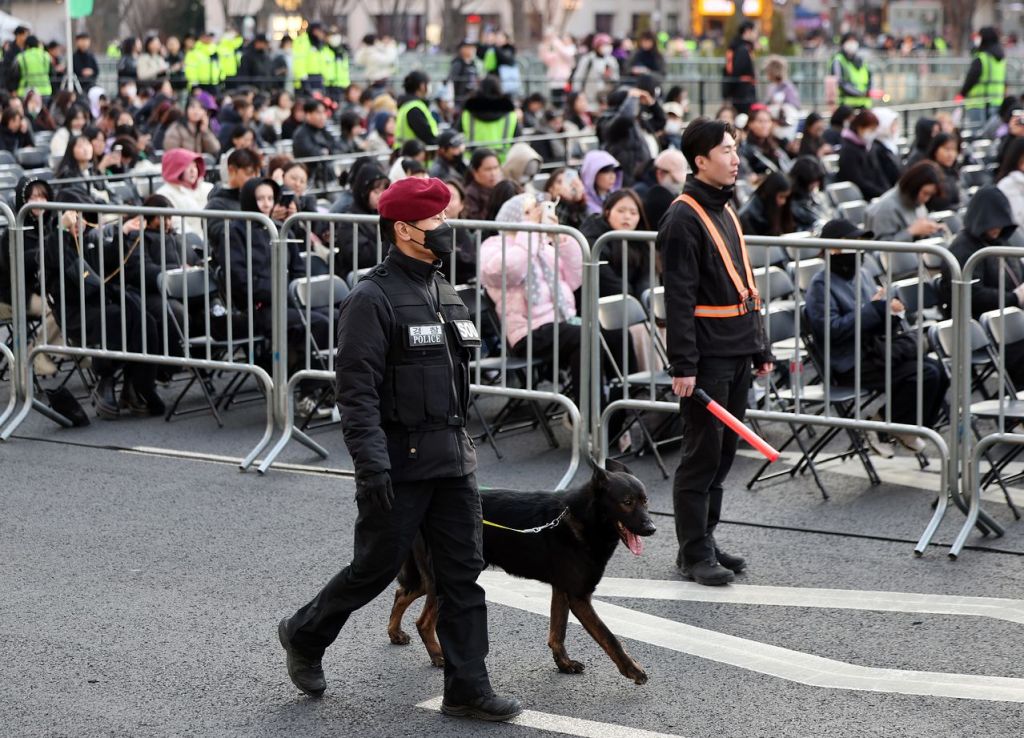
    The safety operation involved 6,700 police officers and 2,600 Seoul city staff, totaling over 10,000 public sector workers. In contrast, HYBE, the private organizer, deployed only 4,800 private security personnel. Critics argue that relying on inaccurate forecasts led to an excessive deployment of public resources for a private commercial event on a weekend. With estimated overtime pay for these officials expected to exceed 400 million KRW (approx. $300,000), accusations of tax waste have begun to circulate.

    Experts suggest this “over-deployment” is a direct result of heightened sensitivity following the 2022 Itaewon tragedy. However, there is growing concern that such massive mobilizations could lead to a “safety vacuum” in emergency response capabilities in other districts.

    The incident has prompted urgent calls for more sophisticated, data-driven crowd-prediction models and a clear legal standard for the level of public intervention required for private-sector cultural events.


    [ONLINE-KOREA: Letter from Korea]

    The highly publicized BTS special performance has finally come to an end 🙂

    While news reports are buzzing with claims that about 100,000 people attended, the actual turnout seems to be around 40,000—or roughly 30,000 when you exclude the government personnel on-site 😮💦

    Previously, I stressed the critical importance of safety to you all, as cramming 260,000 people (the government’s initial projection) into the cramped space of Gwanghwamun Square would have been incredibly dangerous. Seeing that it wasn’t nearly that crowded and hearing that everything concluded without any trouble, I truly breathed a sigh of relief 😮‍💨

    Setting aside the government’s sheer incompetence, I am just so glad that the event ended safely without any major accidents 😄


  • Universal Import Checklist for Successful Sourcing from Korea

    The success of international sourcing depends as much on “Local Compliance” and “Logistics Risk Control” as it does on product quality.

    Therefore, today we would like to provide a professional checklist for global buyers to verify in advance, ensuring the secure and economical import of Korean products to any country worldwide.


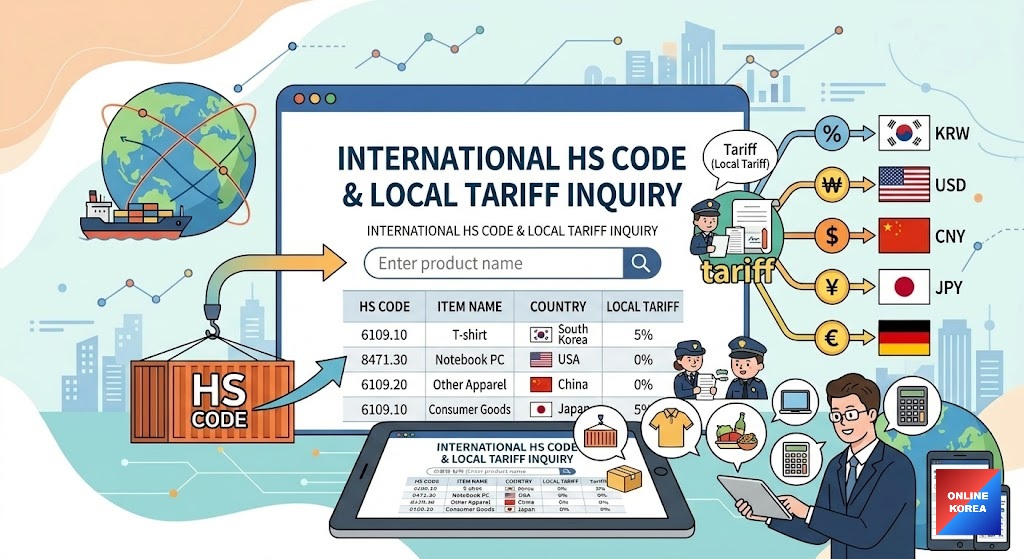
    1. International Standard HS Code & Local Tariff Research

    Most countries follow the WCO (World Customs Organization) HS Code (common 6-digit) system.

    This code determines customs duties and import restrictions.

    • Buyer’s Task: Based on the 6-digit HS Code provided from Korea, verify the Import Duty and VAT/GST on your local customs website.
    • Check Point: Check if an FTA (Free Trade Agreement) is in place between Korea and your country. ONLINE-KOREA supports the issuance of Certificates of Origin (C/O) for preferential tariff benefits.

    2. Product-Specific Regulatory Authorities & Mandatory Certifications

    Each country has specific regulatory bodies responsible for safety and health (e.g., EFSA in the EU, FDA in the US, MHLW in Japan).

    • Buyer’s Task: Officially confirm through a local customs broker or professional consultant which “Special Permits/Licenses” are required for importing products from Korea.
    • Check Point: For electronics, ensure compatibility with local Voltage and Frequency (Hz) and verify mandatory safety certification labeling.

    3. MSDS & Labeling Compliance Review

    Ingredient regulations vary significantly by country. A bestseller in Korea may contain ingredients prohibited in your jurisdiction.

    • Buyer’s Task: Request the English MSDS (Material Safety Data Sheet) or Ingredients List from ONLINE-KOREA. Provide these to your local expert to review for prohibited substances prior to shipment.

    🔍ONLINE-KOREA’s Professional Project Management System

    To eliminate variables in real-world trade, we collaborate with experts in each field to provide precise risk management services.

    A. Incoterms 2020 Optimization & Certified Customs Broker Consultation

    Shipping terms (EXW, FOB, DAP, etc.) determine your scope of liability and total import costs. As your Business Project Manager (PM), ONLINE-KOREA proposes the most advantageous Incoterms. If a precise Landed Cost calculation is required, we coordinate with our partner Certified Customs Brokers to provide professional customs simulations, preventing unexpected budgetary risks.
    B. Export Controls & Strategic Goods Pre-Filtering

    roducts containing certain ingredients or batteries may require export permits from the Korean government. We review the exportability of your items during the sourcing stage to defend against shipment delays.

    C. Post-Shipment Support & Claim Protocol

    If damage or shortages are discovered upon receipt,

    ONLINE-KOREA acts immediately on your behalf for insurance processing and manufacturer claims, based on our “Pre-Shipment Inspection Report” and documented evidence to protect your business assets.

    Global sourcing does not end with simply finding good products. Business only turns into profit when complex international regulations, unforeseen customs risks, and logistics variables are perfectly controlled.

    As a professional Project Manager, ONLINE-KOREA coordinates a network of specialists to open your gateway to Korean business with maximum security and transparency.
    Leveraging our 1:1 dedicated care and real-time responsiveness—advantages large agencies struggle to provide—we serve as your premier “Korean Business Unit,” allowing you to expand with confidence without needing a physical presence in Korea.

    Consult with ONLINE-KOREA today to identify the customized sourcing solutions optimized for your business.


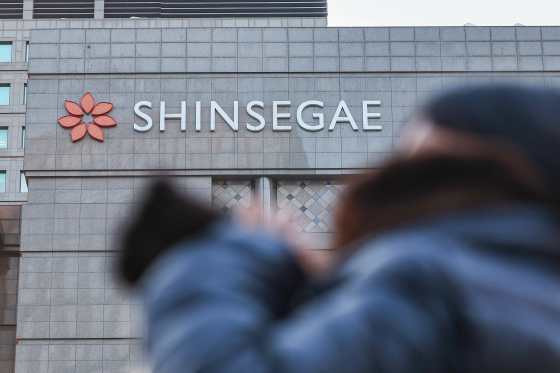
  • Shinsegae and Reflection AI to Build South Korea’s Largest “Sovereign AI Factory”

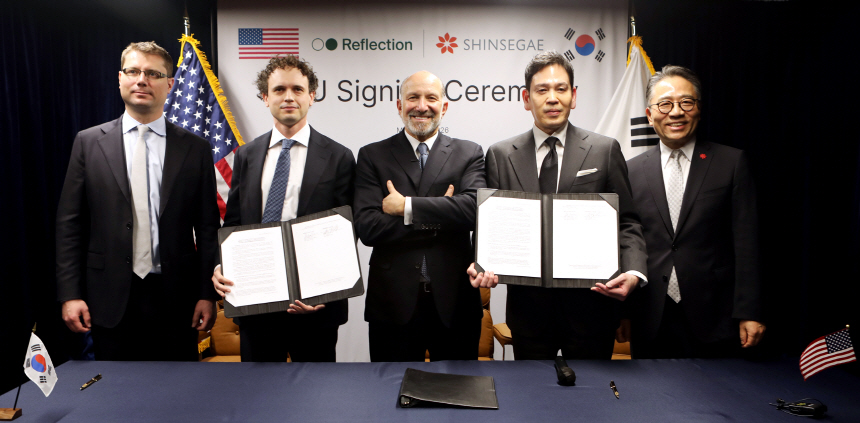
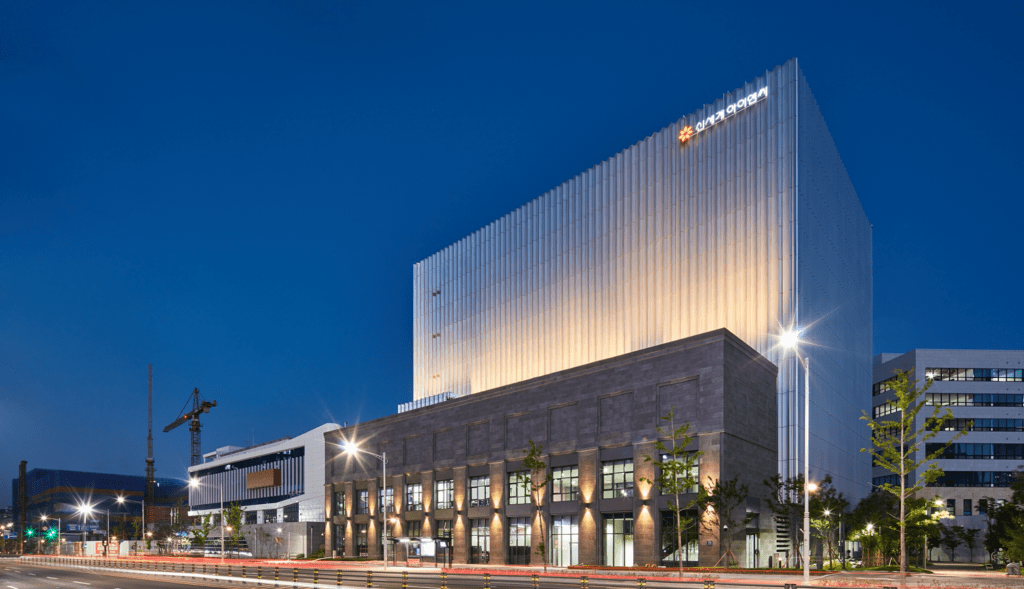
    Shinsegae Group has announced a strategic partnership with the U.S.-based firm Reflection AI to establish a “Sovereign AI Factory” in South Korea.

    The MOU signing ceremony, held in San Francisco, was attended by Shinsegae Chairman Chung Yong-jin, Reflection AI CEO Misha Laskin, and U.S. Secretary of Commerce Howard Lutnick. This landmark project is the first collaboration under the U.S. government’s “AI Export Program,” signaling a deepening of the global AI ecosystem through U.S.-Korea cooperation.

    The planned 250MW AI data center is set to be the largest facility of its kind in South Korea. Equipped with high-performance NVIDIA GPUs, the center will train large-scale AI models optimized for local data sovereignty.

    Reflection AI, founded by former Google DeepMind experts, specializes in “open-weight AI models,” which allow Shinsegae to maintain control over its data security—a core tenet of the “Sovereign AI” strategy. Secretary Lutnick highlighted that this partnership creates a new model of leadership where the U.S. provides core engineering while Korea leads design, licensing, and financing.

    Through this infrastructure, Shinsegae aims to implement a “Retail AI Full-Stack,” integrating artificial intelligence into its core logistics and supply chain management.

    The ultimate goal is to launch “AI Agent Commerce,” a system that automates personalized recommendations, payments, and delivery. Chairman Chung emphasized that AI is no longer optional but essential for future survival, stating that this project will secure Shinsegae’s growth while advancing South Korea’s overall AI capabilities.


    [ONLINE-KOREA: Letter from Korea]

    Today, news broke that Shinsegae Group, a Korean retail giant, is partnering with the U.S. AI firm Reflection AI to build a massive data center. It is being hailed as a “groundbreaking first” with official backing from the U.S. government👀

    However, to be honest, I’m not quite sure why this should be so surprising. More importantly, I personally can’t grasp how such a massive project will actually change our daily lives or your shopping experience in any tangible way at this stage😜

    While the chairman of Shinsegae emphasizes that “Survival is impossible without AI,” at the end of the day, what consumers truly want are “better products” and “more affordable, convenient services.” As I see the quality of products and services at the hypermarkets (E-mart) operated by Shinsegae noticeably declining compared to the past, I cannot help but wonder: what is the point of all this high-tech if the basics are failing?🫤

    Will terms like “Sovereign AI” and “Data Centers” lead to real innovations and benefits for consumers, or will they remain merely a survival strategy for the corporation itself? For now, it seems we can only watch and see how this unfolds🧐

    In an age where the word “AI” is everywhere, how do you perceive these kinds of news❓


  • Security Checks Begin at 7 AM: Metal Detectors and Aerial Surveillance for 260,000 Fans

    The Seoul Metropolitan Police Agency has announced a comprehensive security protocol for the BTS comeback concert at Gwanghwamun Square on March 21, 2026.

    To ensure the safety of an expected crowd of 260,000 people, authorities will deploy 6,500 officers and 5,400 specialized units, including high-altitude observation vehicles and lighting trucks.

    A “stadium-style crowd management system” will be implemented to prevent overcrowding, where entry into the viewing areas is strictly limited to 31 designated gates.

    Due to heightening international tensions, walk-through metal detectors will be installed at every gate to screen for dangerous items. Security checks will officially commence at 7 a.m. on the day of the event, with handheld scanners utilized for those already within the perimeter. To mitigate the risk of vehicle-ramming attacks, specialized barriers and police buses will be strategically stationed across all surrounding roads.

    Surrounding urban infrastructure will also be under tight regulation. 31 nearby buildings, including the KT Gwanghwamun Building and Kyobo Life Building, will be placed under strict control to prevent fans from viewing the concert from unsafe heights.

    Six buildings directly adjacent to the square will close their entrances entirely, while others will prohibit access to rooftops and balconies. Following the event, police units will be pre-deployed to popular districts such as Itaewon and Seongsu-dong, anticipating a secondary surge of fans moving to these nightlife areas.


    [ONLINE-KOREA: Letter from Korea]

    Looking at the current situation in Korea and the global landscape, it feels like nowhere is truly safe anymore.

    Since we expect a huge number of people from all over the world to visit for this performance—not just locals—it is likely to be extremely crowded.😮💦

    I sincerely hope that the event concludes safely and without incident. 👏

    To everyone attending, please be extra cautious and prioritize your safety at all times.👮‍♂️