Tag: ConsumerTrends

  • CJ Olive Young Unveils ‘FULLMOON’ as Its 2026 K-Beauty Trend Keyword

    CJ Olive Young has selected “F.U.L.L.M.O.O.N (Full Moon)” as the key keyword shaping the K-beauty and wellness industry in 2026, unveiling eight major trends centered on the idea of becoming one’s “whole self.”
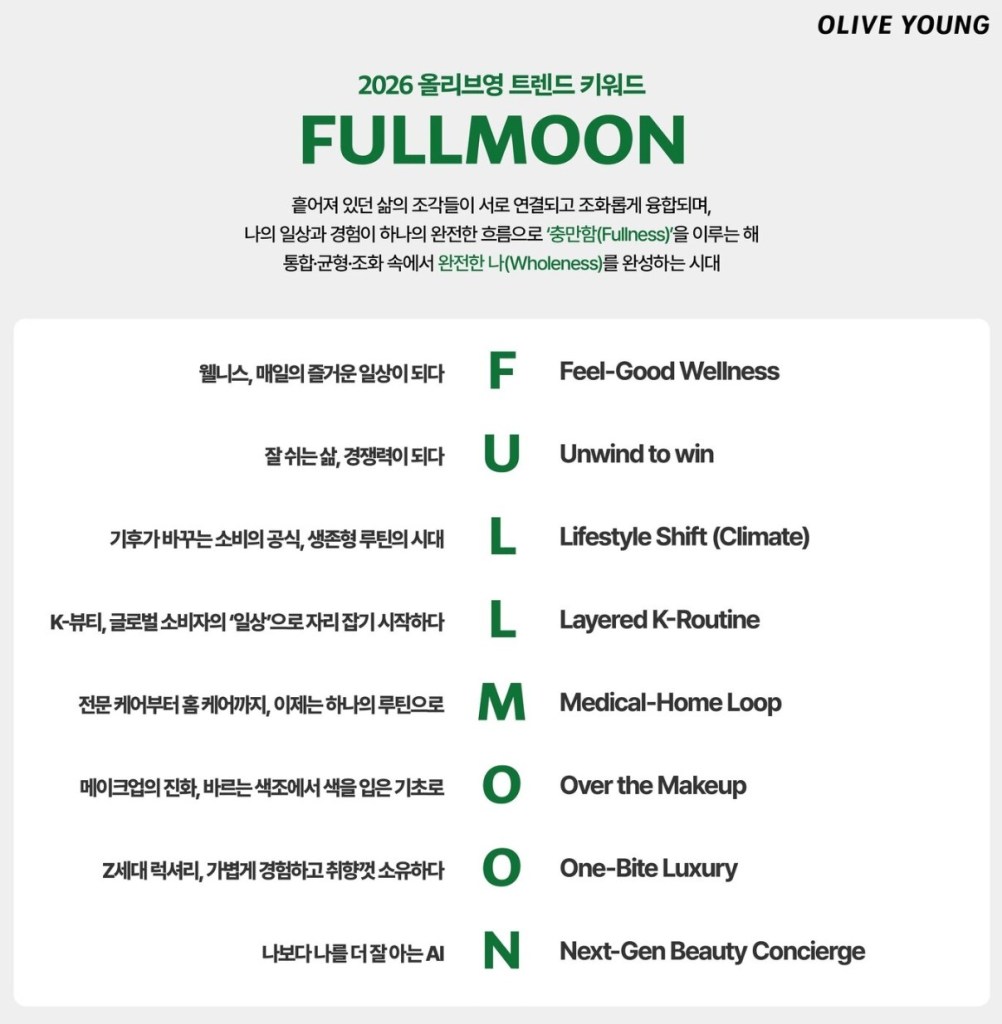
    The report highlights how wellness trends that encompass not only outward beauty but also inner balance and recovery are spreading globally.

    The “early wellness” trend, particularly among the MZ generation, stands out.

    According to Olive Young’s purchasing data, customers aged 15 to 24 who buy wellness products have recorded double-digit annual growth every year since 2022. This group favors “healthy pleasure,” enjoying wellness in accessible ways, which has driven increased consumption of easy-to-take wellness snacks such as candies, jellies, and beverages. As the emphasis on quality rest grows, sales of sleep-related health supplements have surged by more than 300 percent year-on-year.

    Clear changes are also evident in the makeup segment.

    “Skincaring makeup,” which combines skincare functions with color cosmetics, is gaining traction, with consumers placing greater importance on ingredients and efficacy when choosing makeup products. Searches related to soothing, skin barrier, and hydration functions have increased by more than 150 percent.

    Alongside these shifts, Olive Young presented next-generation trends including K-beauty integrated into global daily routines, professional self-care, Gen Z luxury beauty, and AI-based hyper-personalized concierge services, forecasting that hyper-personalized value-driven consumption will further intensify.

  • Koreans’ Favorite Snacks: Saewookkang Leads the Market

    In the first half of this year, the most widely consumed snack among Koreans was Shrimp Crackers, known locally as Saewookkang, which is often said to have been inspired by the Japanese snack Kappa Ebisen.

    According to data released on the 10th by the Food Industry Statistics Information Service, Saewookkang recorded retail sales of 57.8 billion won in the first half of the year, ranking first for the second consecutive year. It topped the overall rankings across all snack categories, including chips, chocolate, and biscuits.

    Second place went to Orion’s Pocachip, a leading potato snack brand, which posted sales of 54.4 billion won. Its revenue increased by 8.1 percent year-on-year, marking the highest growth rate among products in the top 10.

    Other top-ranking snacks included Orion Choco Pie at 47.8 billion won, Lotte Wellfood Pepero at 42.6 billion won, Nongshim Kellogg’s Pringles at 41.8 billion won, Lotte Wellfood Kkokkalcorn at 41.2 billion won, Haitai Confectionery’s Home Run Ball at 39.6 billion won, Ferrero Rocher at 36.5 billion won, Lotte Wellfood Ghana at 33.8 billion won, and Orion Squid Peanut at 31.5 billion won.

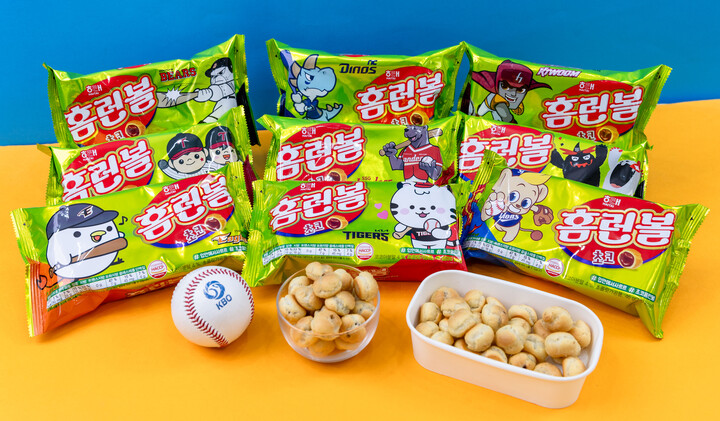
    Home Run Ball was the only biscuit product to enter the top 10, recording 39.6 billion won in sales during the first half. Known as a classic baseball stadium snack, the product is on track to reach cumulative sales of 2 trillion won this year.

  • Daiso Expands Cash-Free Retail in Response to Consumer Trends

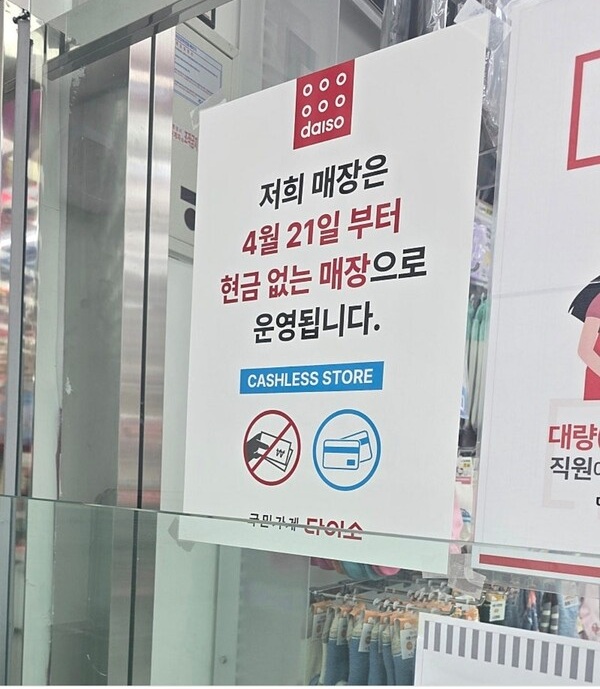
    Daiso has begun piloting a “cashless store” in the Ulsan region as part of its response to shifting consumer trends.

    The pilot location fully blocks cash payments and operates exclusively with card and mobile payment methods. This initiative is widely seen as a strategy to enhance efficiency amid the rapid spread of digital payments and the broader shift toward a cashless society.

    According to a Bank of Korea survey, cash usage among Korean consumers has fallen to 15.9 percent, half the level from a decade ago. As a result, retailers are expanding unmanned checkout systems and automated payment processes to improve turnover and reduce the operational burden associated with handling cash. Daiso also expects faster payment processing and reduced staff workload, and major supermarket chains are likewise adopting card-only unmanned checkouts.

    However, not all age groups can adapt equally to this change. Elderly shoppers and teenagers without easy access to payment cards risk being left out of the new system, raising concerns about accessibility in a fully cashless transition.

    Even so, as mobile payments continue to dominate daily transactions, the number of cashless stores is expected to grow steadily across the country.