Tag: fall foliage

  • UNESCO Recognizes Magoksa as a Cultural Heritage Site for Its Fall Beauty

    Magoksa, a temple with over a thousand years of history, is a sacred place that has endured through wars and disasters, retaining its original form, earning the title of “Ten Victory Lands”.
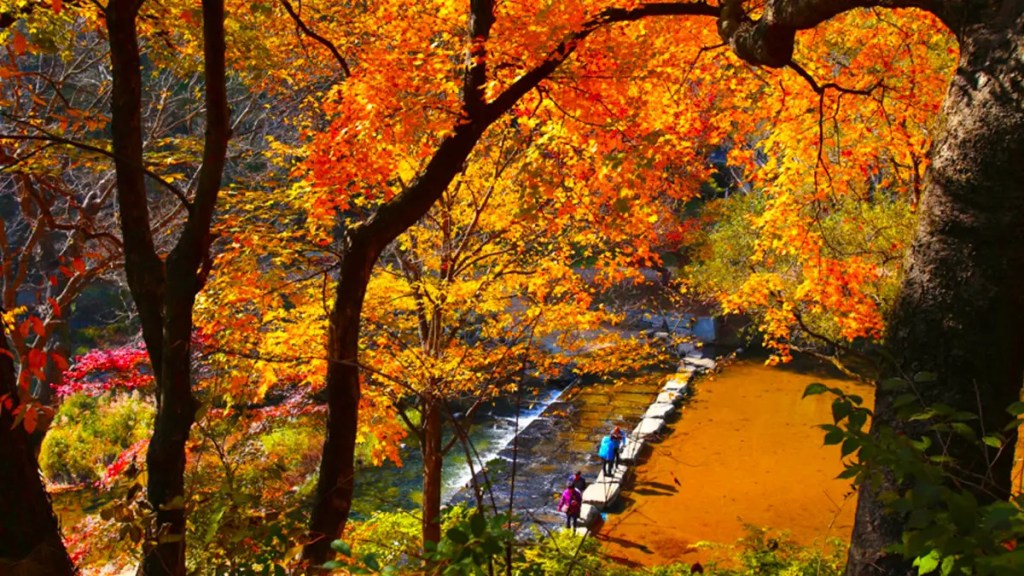
    Located at the foot of Mount Taehwa in Gongju, Chungcheongnam-do, Magoksa was founded in 640 by Jajang Yulsa during the reign of Queen Seondeok of Silla. Despite its long history, the temple has maintained its form and significance without much damage.

    In recognition of its unique value, Magoksa, alongside Beopjusa and Tongdosa, was inscribed as part of the “Mountain Monasteries of Korea” on the UNESCO World Heritage list in 2018. It is not only an ancient temple but also a living testament to the continuous tradition of Korean Buddhist practice since the 7th century. Visitors can experience the tranquility of a space infused with over a millennium of Buddhist spirit simply by walking through the temple grounds.
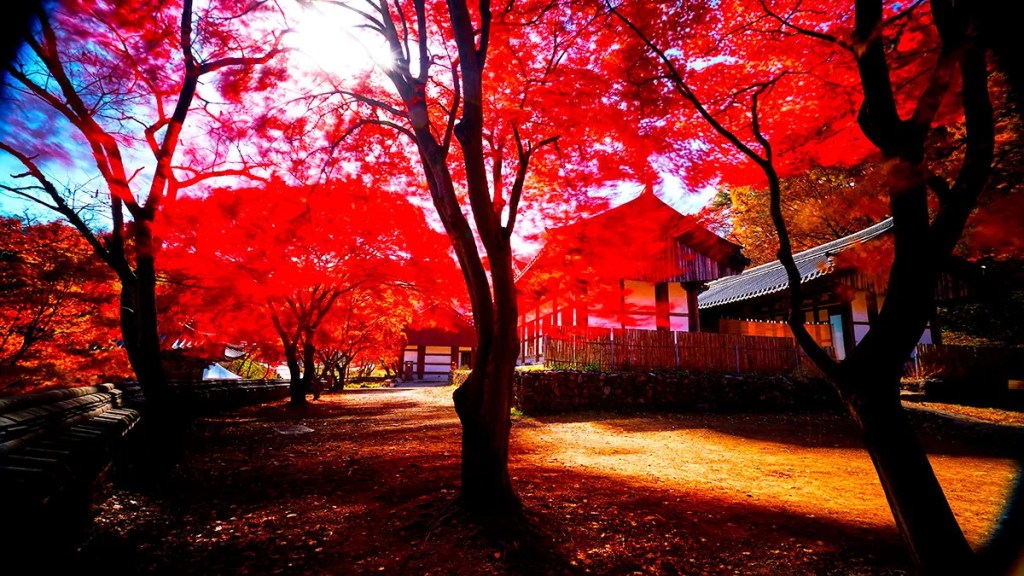
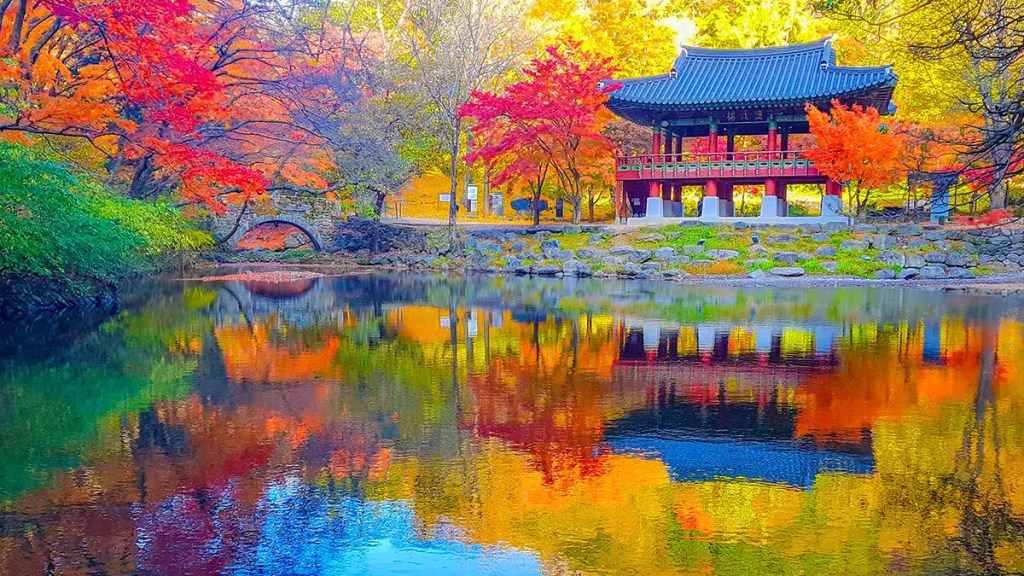
    During the fall, Magoksa transforms into another breathtaking landscape. From late October to early November, the red and yellow leaves of the trees color the Taehwa Stream, creating a scene that blends with the peaceful temple surroundings, like a traditional East Asian painting. With affordable entry fees, it’s a perfect destination to experience both history and autumn beauty.
  • When Will Korea’s Autumn Foliage Peak This Year

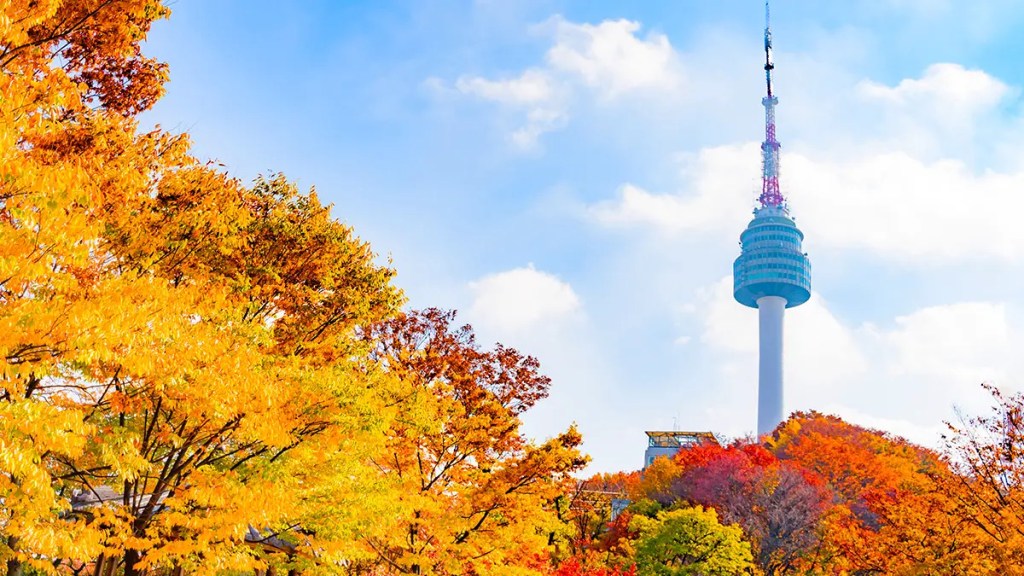
    In Korea, the peak of autumn foliage in 2025 is expected to arrive 4–5 days later than in previous years.

    The Korea Forest Service announced on October 1 its “2025 Autumn Foliage Forecast Map,” predicting that the leaves will reach their peak colors between late October and early November.

    By tree type, the peak dates are projected to be October 28 for ginkgo, October 31 for oak, and around November 1 for maple.

    By region, Seoraksan Mountain is expected to peak on October 25, Songnisan on October 27, Naejangsan on November 6, and Gayasan on November 11, showing a gradual delay toward the southern regions.

    An analysis of the past decade’s data revealed that the peak foliage period has been delayed by an average of 0.4–0.5 days each year. Experts attribute this to global warming, with scientists noting that “the delay in autumn foliage is a clear indicator of climate change.”

    This forecast is based on long-term phenological data collected by the National Arboretum and public arboretums nationwide. It represents not just travel information, but a scientific finding of great significance in climate change research.

    This year, as we await the late-turning autumn leaves, it may also be a moment to reflect on the environmental warning hidden within their beauty.