Tag: fashion trends

  • Gen Z’s Loose-Fit Revolution Marks the End of Tight Wear

    The era of leggings—once the face of the global athleisure boom during the COVID-19 years—is coming to a close.
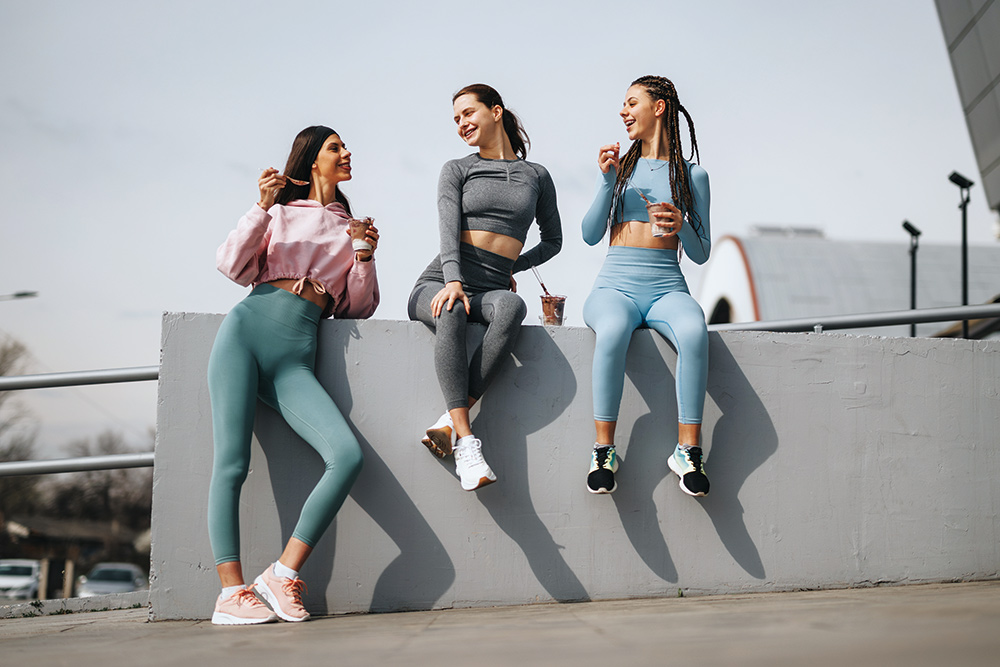
    Once hailed for blurring the line between casualwear and activewear, leggings have rapidly fallen out of favor as Gen Z’s fashion preferences shift toward looser silhouettes. The rise of “relaxed-fit” styles has even hit the spandex industry, the very foundation of the leggings trend.

    Hyosung TNC, the world’s largest spandex manufacturer, has seen its third-quarter profit forecasts slashed repeatedly, with Hana Securities cutting estimates from 79 billion KRW to 59.5 billion KRW. Major Chinese producers are also reporting declining output and profitability. Globally, spandex production expansion is expected to drop from 160,000 tons this year to just 70,000 tons next year—nearly half.
    The cause is clear: plummeting demand for leggings.

    According to retail analytics firm Edited, leggings’ share of the women’s activewear market fell sharply from 46.9% in 2022 to 38.7% last year. As joggers, track pants, and wide-leg trousers dominate wardrobes, the reign of the “tight fit” has ended. Even iconic brand Lululemon has seen its stock price drop nearly 50% this year, while competitors like Alo Yoga and FP Movement are pivoting toward looser, comfort-driven apparel.

    Korean brands are also adapting.

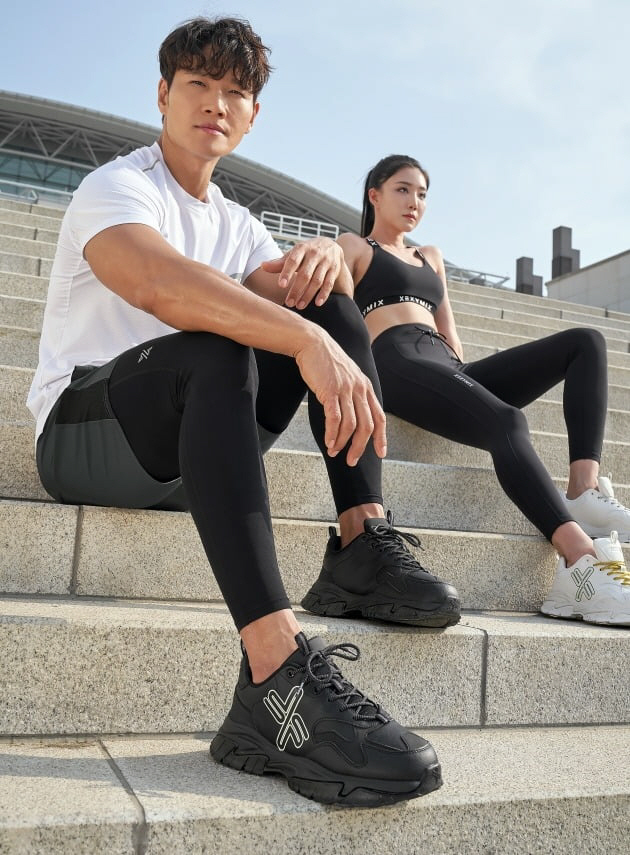
    Andar has strengthened its men’s and training lines, while Mula Wear is diversifying into “swim-leisure” concepts.

    Fashion experts note that MZ—and particularly Gen Z—consumers now value “natural comfort” over “body-conscious style,” signaling the end of leggings as a youth symbol. As The Business of Fashion put it, “After dominating closets for over a decade, leggings have become rare even in gyms.”

  • Practicality and Style: The Winter Wardrobe Trends You Need

    This winter, the trend is centered on practicality, with a focus on lifestyle items that add both style and individuality. This shift reflects the growing preference for value-driven consumption over showy displays of wealt

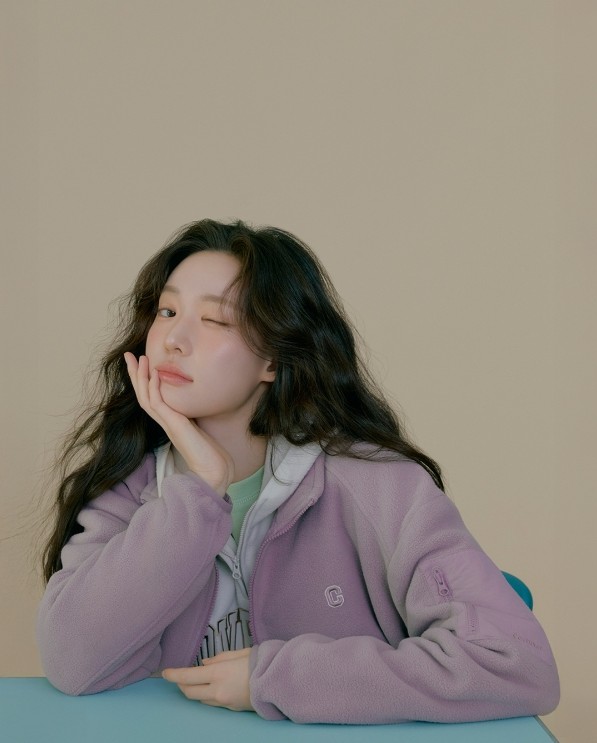
    <Covernat’s New Fleece Campaign “WARM ON”>

    Fashion experts predict that functional outdoor and sportswear will continue to dominate as everyday fashion this winter. Athleisure—which blurs the lines between workout gear and casual wear—will expand, combining winter materials such as wool and corduroy to offer both comfort and sophistication.

    <New Balance UNI Flying 77 Superlight Goose Down>

    <The North Face Bermo Wool Fleece Jacket>

    A fashion industry insider said, “This winter, the key trend will be a mix-and-match style that removes the boundaries between Gorpcore, utility, and athleisure, allowing individuals to balance both personal style and practicality.”

  • From Retro to Y2K: Why Denim Is Back in Style

    As temperatures drop and the season transitions, denim—jeans and jackets alike—has emerged as this fall’s defining fashion keyword. A timeless material that transcends generations, denim evokes nostalgia for older consumers while embodying a hip, retro spirit for younger ones.

    In the U.S., brands like American Eagle, Gap, and Levi’s are reporting strong denim sales, with Levi’s even declaring a shift toward becoming a “denim lifestyle company.” In Korea, interest is surging as LF Mall’s denim search volume jumped over 110% compared to last year.

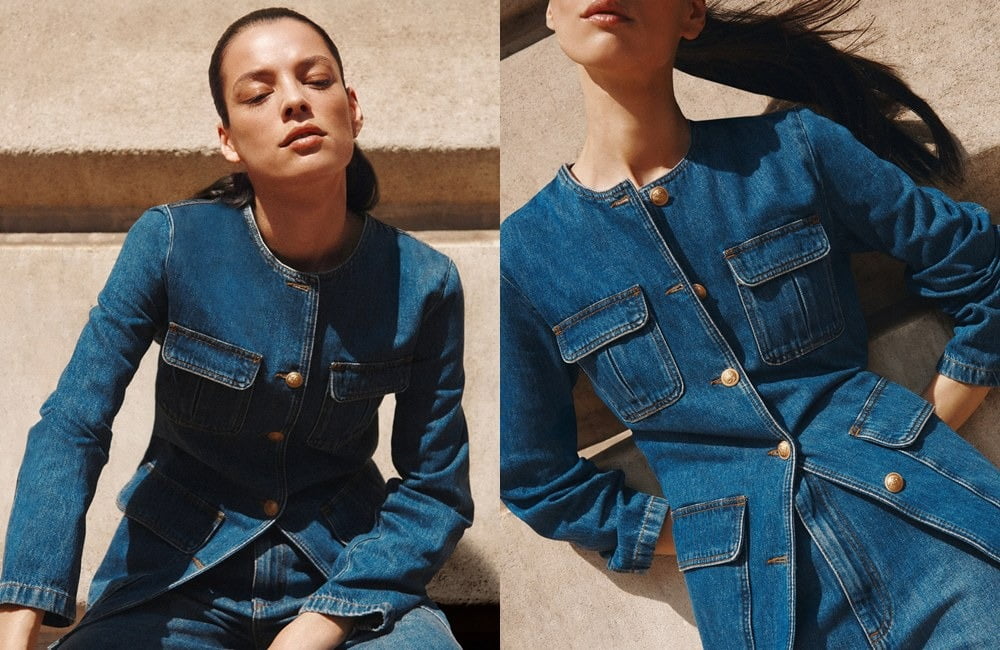
    Fashion brands are embracing two main directions: one highlights classic denim—deep blue tones, straight fits, and double-denim looks—while the other explores modern details such as washed colors, studs, and unique textures. French label Isabel Marant saw a 342% sales increase with its soft “fluid denim,” and Vanessa Bruno introduced the elegant “Engel Jacket,” featuring a feminine silhouette.

    Korean brand HAZZYS has also expanded its denim line, seeing sales jump 53% in August and September year-on-year. Experts say denim has evolved beyond simple apparel to become a cultural icon that unites retro, Y2K, and individuality-focused trends.