A heated debate erupted at the “Gwanghwamun Plaque Forum” held on March 31st at the National Museum of Korean Contemporary History.
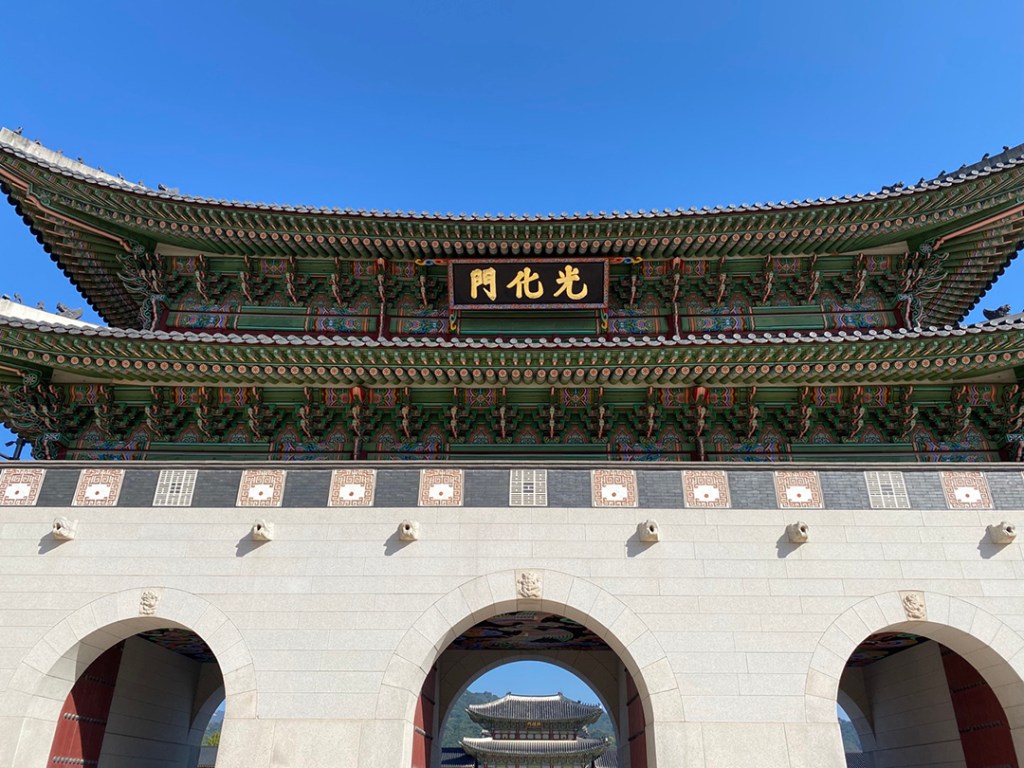
The discussion centered on a proposal by the Minister of Culture, Sports and Tourism to install an additional Hangeul (Korean alphabet) plaque beneath the existing Hanja (Chinese characters) plaque on Gwanghwamun Gate. The gate’s signage has historically shifted between Hangeul (installed in 1968) and Hanja (restored in 2010), making this a highly sensitive issue involving national symbols and historical authenticity.
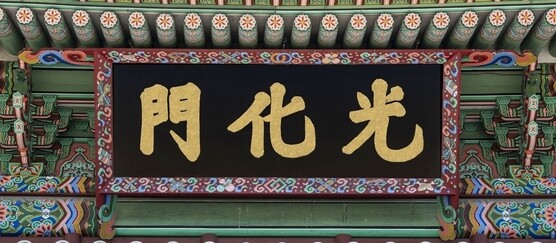
Supporters argue that displaying Hangeul at Gwanghwamun is essential for projecting South Korea’s cultural identity to the world. Representatives from Hangeul advocacy groups stated that Hangeul is the bedrock of the nation’s spirit and that its absence at a major national landmark is an oversight of constitutional values.
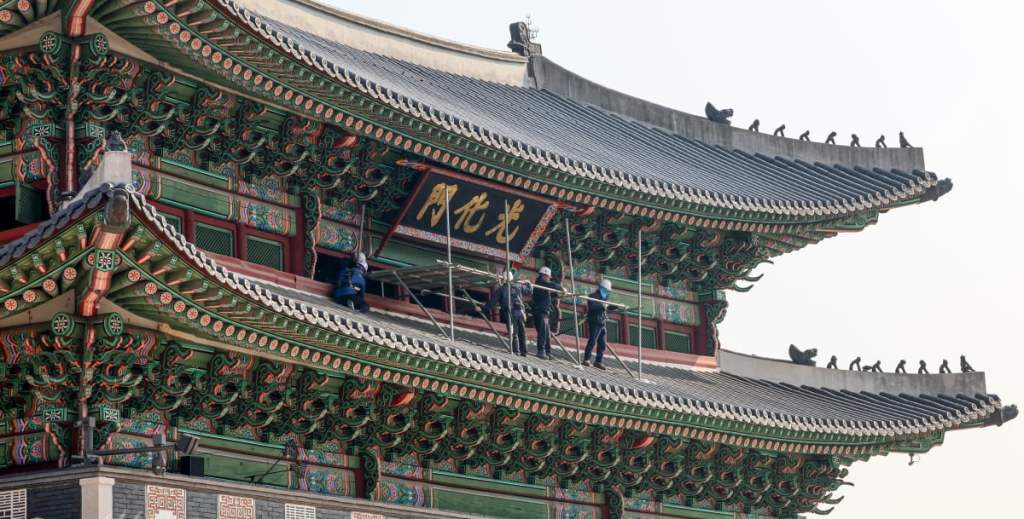
On the other hand, historians and architects strongly oppose the plan, citing the principle of “historical integrity.” They argue that altering a heritage site according to modern trends constitutes the manipulation of historical evidence and that the focus should remain on preserving the gate’s original Joseon-era restoration.
The Ministry of Culture, Sports and Tourism plans to continue gathering opinions through expert investigations and national surveys. A dedicated online feedback board will be opened on the ministry’s website to ensure a democratic decision-making process. As Gwanghwamun stands as an intersection of tradition and modernity, finding a middle ground between historical accuracy and contemporary identity remains a complex challenge for the administration.
[ONLINE-KOREA: Letter from Korea]
Recently, there has been a push in Korea to add a Hangul plaque to Gwanghwamun Gate. Personally, I fail to see the practical value in this. I believe the true essence of a cultural asset lies in “preserving its original form,” not in modern modifications for symbolic reasons.
Furthermore, the world is currently in a state of chaos, and South Korea is facing its own critical crossroads. In such a precarious time, I find it difficult to justify pouring so much national energy into a single plaque. Aren’t there far more urgent tasks to be addressed for the sake of the nation’s future?
Rather than clinging to symbolic performances, I sincerely hope that those in charge recognize what the real priorities are. In business, we value “essence” and “efficiency.” What we need to protect right now is not a script from the past, but our readiness for an uncertain future.
How do you perceive the gap between symbolic politics and the pressing realities of a national crisis?

 ONLINEKOREANEWS.COM