Tag: Gyeongju

  • Busan Set to Achieve 3 Million Tourists, Thanks to APEC

    Busan is on track to become the first city in South Korea to reach 3 million foreign tourists in a single year. This shift in Korea’s tourism landscape, which was once centered around Seoul, is largely attributed to the APEC summit held in Gyeongju at the end of October. The summit wasn’t just another international event—it played a key role in creating a new tourism belt linking Busan and Gyeongju.
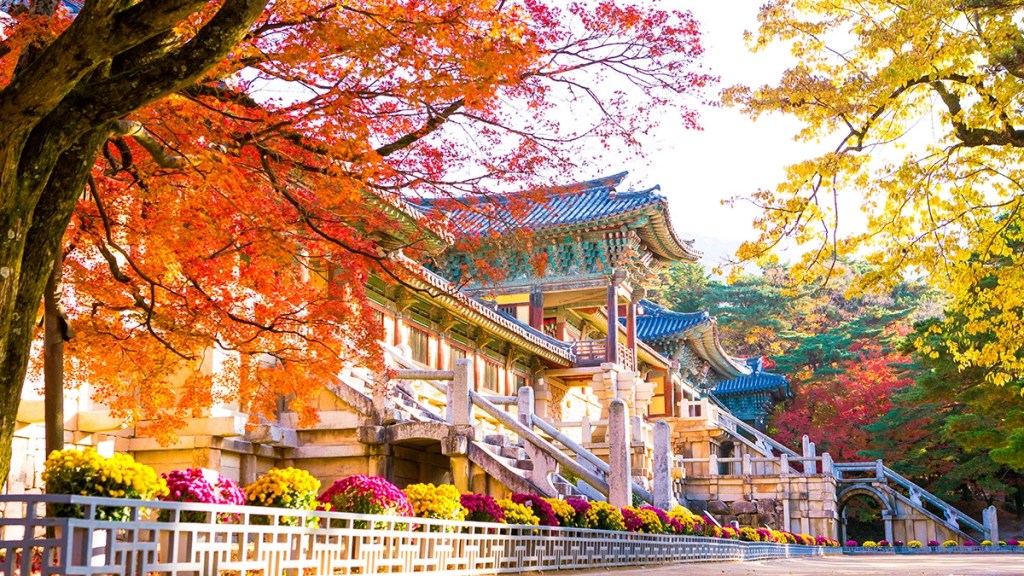
    Gyeongju Bulguksa Temple

    As of October 2025, the number of foreign tourists visiting Busan surpassed 2.35 million, setting a new record. The spending scale also grew by 33.2% compared to the previous year, reaching 6.594 trillion KRW. Notably, in October, the number of high-speed bus reservations for foreigners traveling between Busan and Gyeongju increased by 185% compared to the previous year. Most of these travelers were long-haul tourists from the US, Europe, and Australia, indicating a growing trend of “regional travel” connecting the two cities via Seoul.
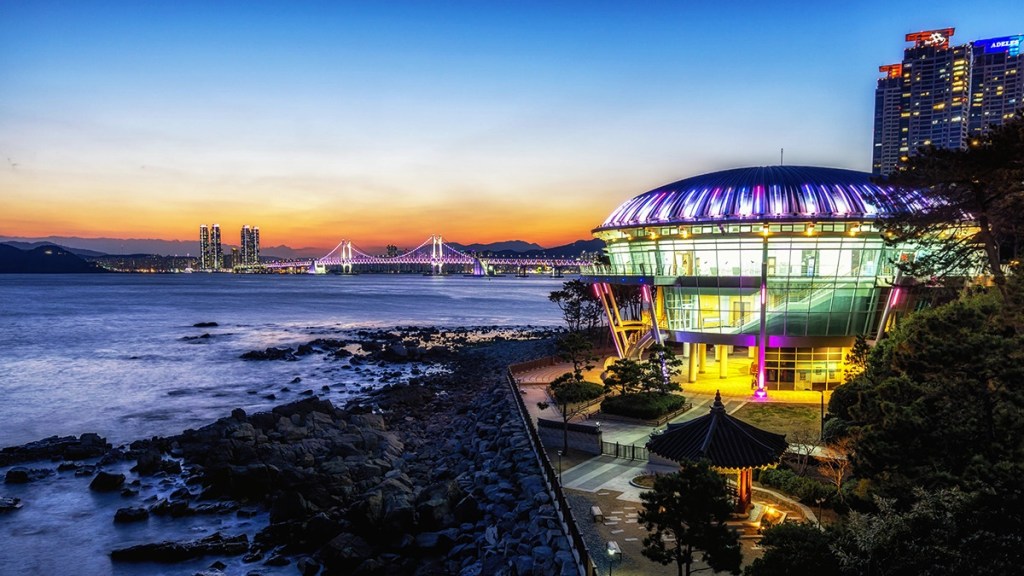
    Busan Nurimaru APEC House

    Experts are predicting that “this APEC summit has successfully merged Busan’s K-culture with Gyeongju’s K-heritage, creating the ‘most Korean regional tourism route’ and leaving a lasting impression worldwide.” They also forecast that Busan’s goal of 3 million tourists will be easily achieved.
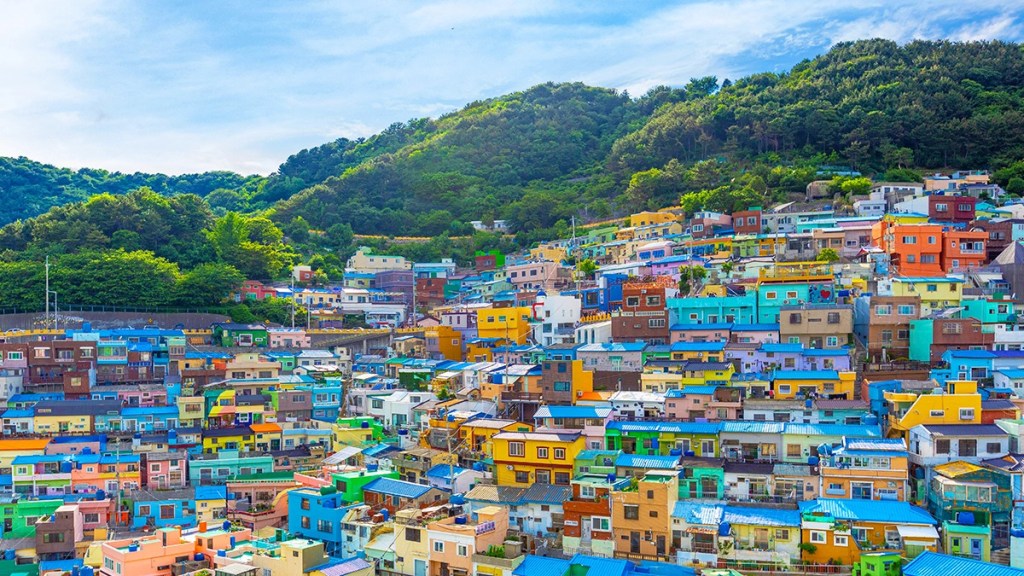
    Gamcheon Culture Village, Busan

    Furthermore, the successful “tourism alliance” between Gyeongju and Busan is seen as an important example of how international events in regions outside of Seoul can build a sustainable local tourism model.

  • Wooyang Museum Unveils Lost Works of Nam June Paik

    A special exhibition titled “Nam June Paik: Humanity in the Circuits” featuring 12 works, including major pieces and prints by Nam June Paik, is being held at the Wooyang Museum of Contemporary Art in Gyeongju, South Korea.

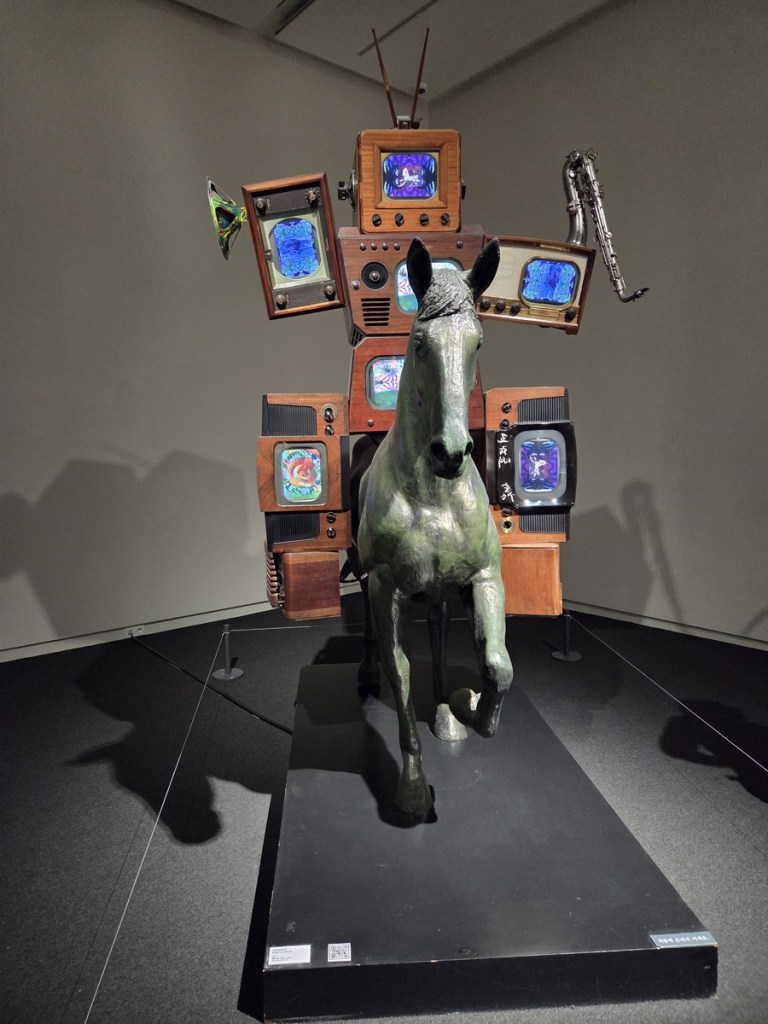
    Greeting visitors at the entrance is Ancient Horseman Figure (1991), a work Paik created to commemorate the museum’s opening.

    Reinterpreting the familiar Silla-era relic “Clay Figure on Horseback,” the piece depicts a human made of television sets riding a horse — symbolizing the connection between analog and digital, the local and the global.

    The concept aligns perfectly with the upcoming APEC Summit in Gyeongju (Oct. 31–Nov. 1) under the theme “Connectivity, Innovation, and Prosperity.”

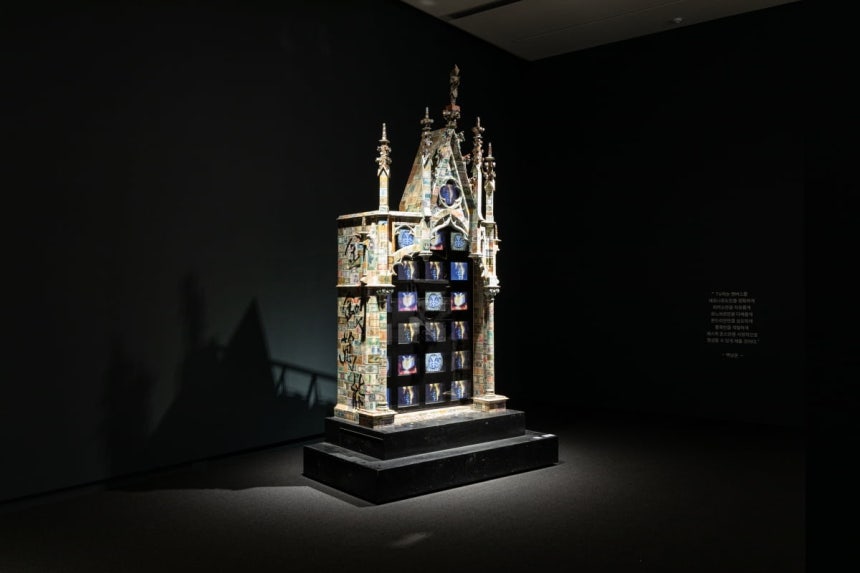
    The exhibition also showcases two rarely seen works from Paik’s iconic My Faust series — Economics and Spirituality.

    Inspired by Goethe’s Faust, the series explores the human condition and modern value systems.

    Economics uses currency and Gothic architecture imagery to critique the worship of capital, while Spirituality employs vivid religious symbols and video structures to question the sustainability of the soul.

    Both works have been restored and revealed for the first time in over 30 years since their last display at the National Museum of Modern and Contemporary Art in 1992.

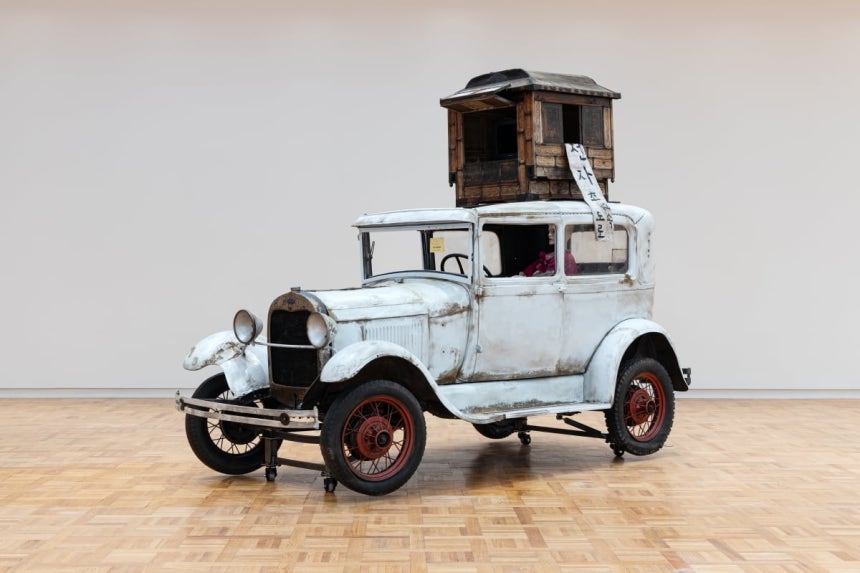
    Other major works from the 1980s–1990s are also on view, including Electronic Superhighway–1929 Ford, a visionary piece combining a 1929 Ford car with a wooden palanquin and the phrase “Electronic Superhighway,” representing the fusion of tradition and modernity, East and West, past and future.A museum curator noted, “Paik believed that the world could be united through art. This exhibition best reflects that belief.”

    The exhibition runs through November 30 at Wooyang Museum of Contemporary Art, Gyeongju.