Tag: hiking in Korea

  • Busan’s Landmark Geumjeongsan Becomes the First Urban National Park in Korea

    On March 3, 2026, Geumjeongsan Mountain in Busan officially launched as South Korea’s 24th National Park.

    This marks the first time in approximately 39 years since Sobaeksan in 1987 that a previously unprotected area has been elevated to national park status. It holds significant historical importance as South Korea’s first “urban national park” situated entirely within a major metropolitan area.
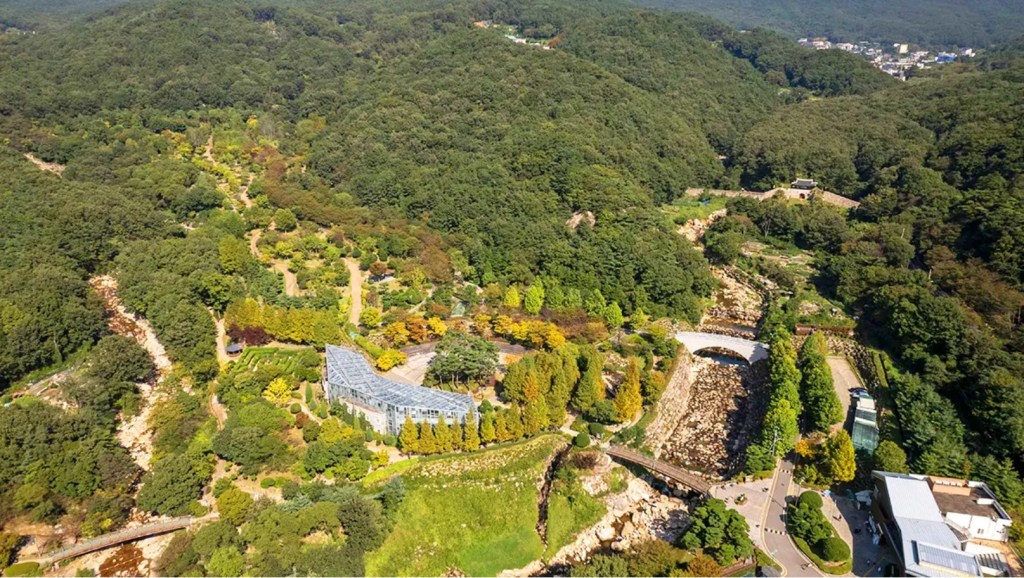
    Geumjeongsan National Park spans approximately 66.859 square kilometers across six districts in Busan and Yangsan City in Gyeongsangnam-do. Centered around its highest peak, Godangbong (801.5m), the park is recognized for its magnificent scenery along the Nakdong Jeongmaek ridge and its unique geological value.
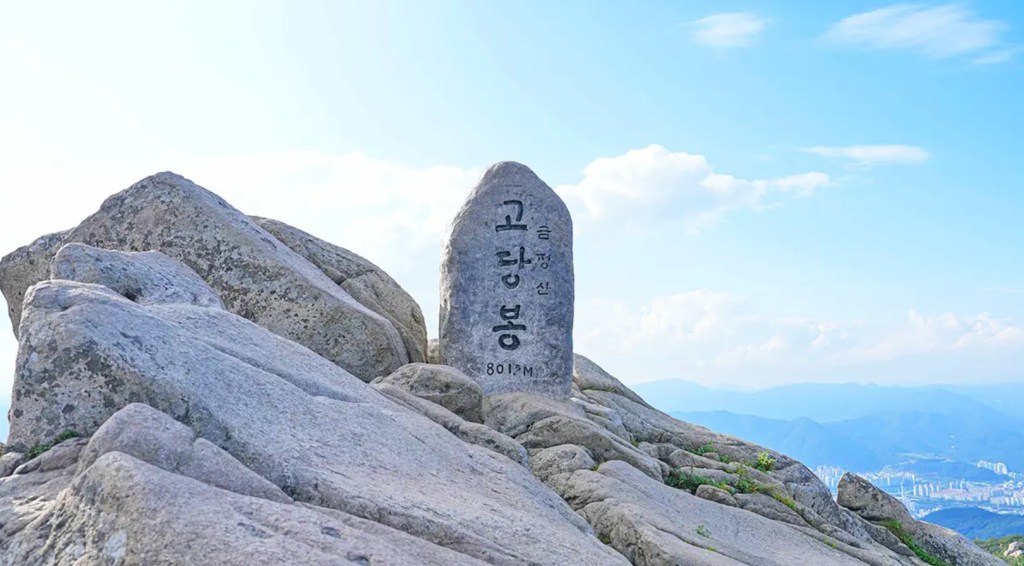
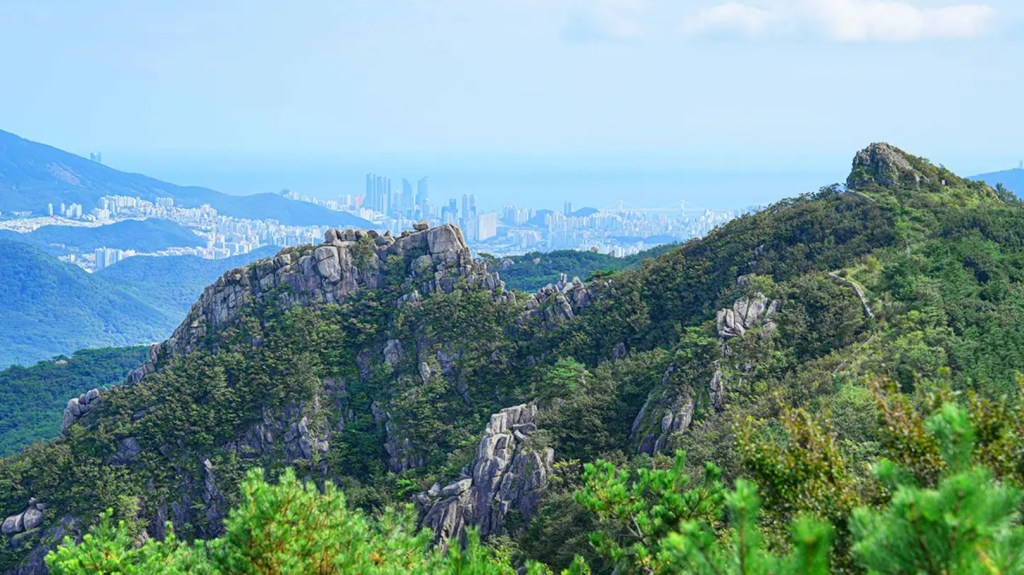
    The park is a sanctuary of biodiversity, home to over 1,700 species of wild flora and fauna, including 14 endangered species.

    It also houses 127 designated cultural heritage items, including national treasures and precious artifacts. Notably, the harmony between the 18.8km Geumjeongsanseong Fortress—the largest in Korea—and Beomeosa Temple, one of the three major temples in the Yeongnam region, offers an unparalleled historical hiking experience.
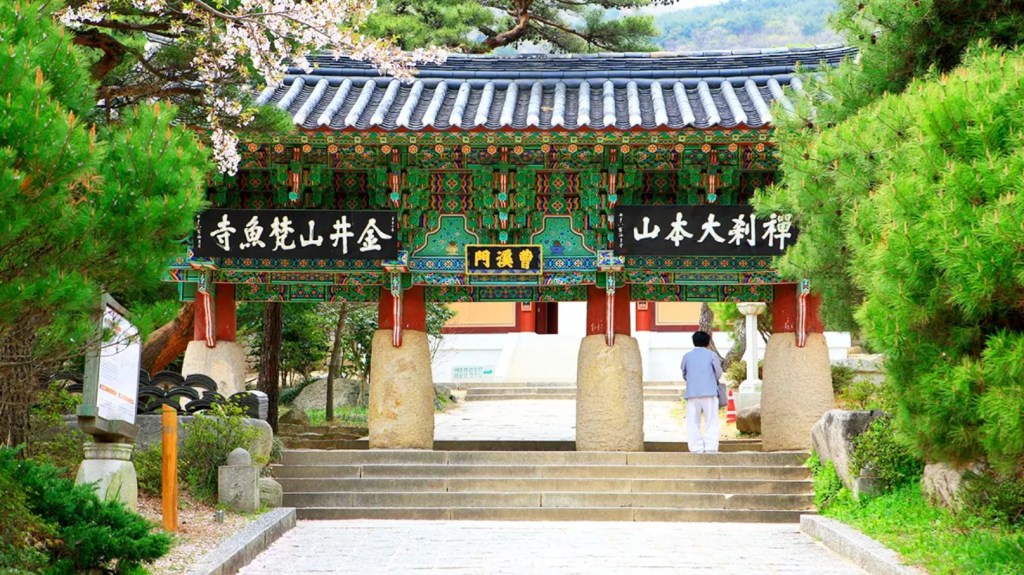
    Currently maintaining a policy of free admission and year-round access, Geumjeongsan is expected to evolve into a global eco-cultural tourism hub, backed by its excellent accessibility via public transportation.

  • Autumn Hikers Warned as Fire Prevention Restrictions Begin Early

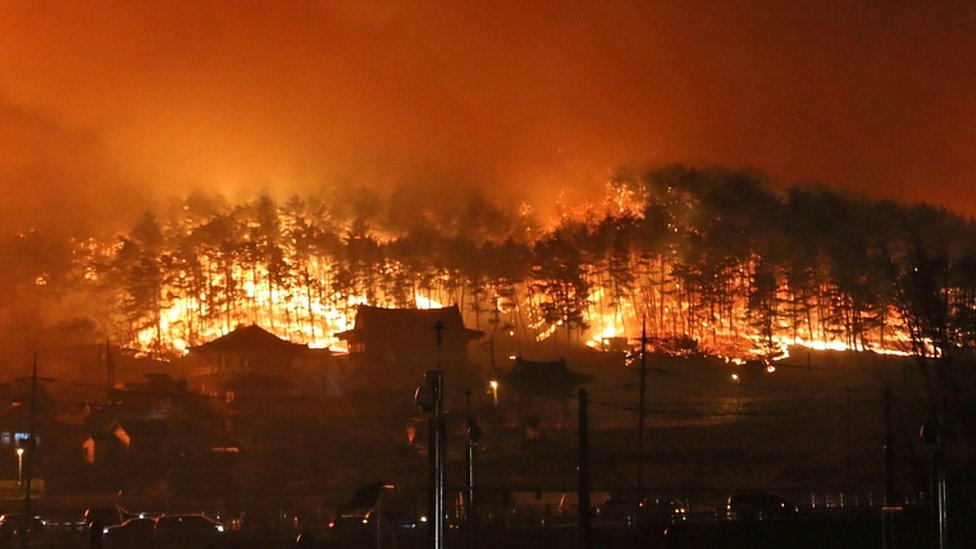
    Hikers eager to enjoy Korea’s vibrant autumn foliage have been met with disappointing news. The government has implemented an early “Autumn Mountain Fire Prevention Entry Ban” beginning October 20 — 12 days earlier than usual.

    The measure, aimed at supporting the upcoming APEC Summit in Gyeongju and responding to climate abnormalities, has sparked debate as it coincides with the peak foliage season. While some criticize the move as excessive, experts view it as a necessary shift toward a new disaster response framework in the era of climate crisis.

    Public sentiment remains largely supportive. According to a survey by the Anti-Corruption and Civil Rights Commission, 89% of respondents agreed with expanding restricted mountain areas, and 81% supported higher fines. Ultimately, the decision is seen as an unavoidable step to protect lives and property from a wildfire risk that has surged eightfold, even at the cost of some seasonal inconvenience.

    The entry restrictions primarily apply to national and municipal forests under the Korea Forest Service. However, national parks such as Seoraksan and Jirisan, managed by the Korea National Park Service, will enforce their usual closure period from November 15 to December 15. Those planning autumn hikes are strongly advised to check access conditions before visiting.