Tag: Kculture

  • Global K-Culture Festival SEOULCon Opens in Seoul on Dec. 29

    The Seoul Business Agency has unveiled the key programs of the global K-culture festival “2025 SEOULCon,” signaling its status as one of Seoul’s signature year-end cultural events.
    Now in its third year, SEOULCon is a participatory festival bringing together global influencers and citizens. Last year, it attracted 60,000 visitors and generated 320 million online impressions, underscoring its growing global reach.

    The event will take place from December 29 to January 1, 2026, at Dongdaemun Design Plaza (DDP), featuring a wide range of programs centered on Seoul’s representative content, including K-pop, television dramas, and street dance.

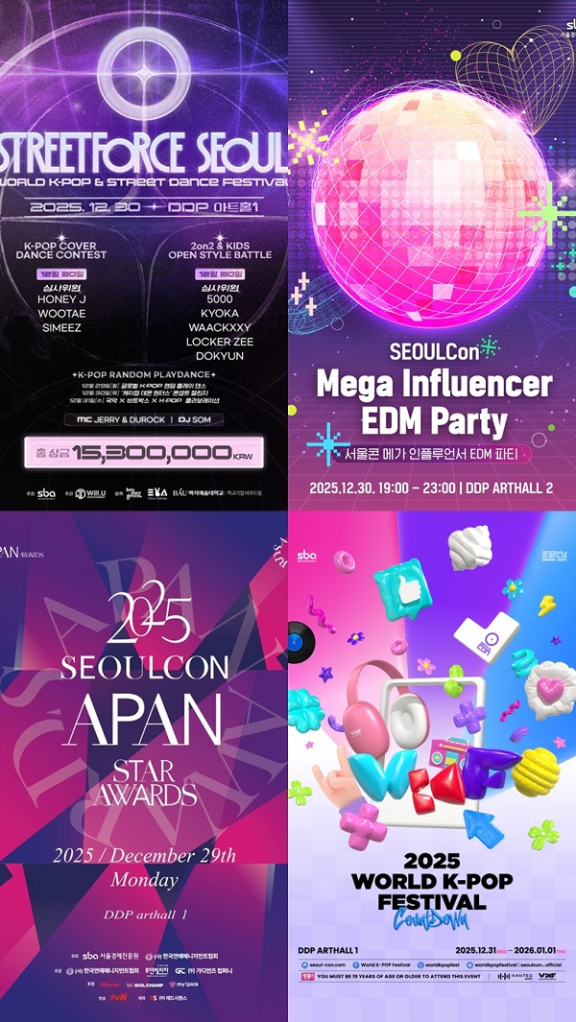
    The highlight of the festival is the “SEOULCon X World K-pop Festival – Countdown,” scheduled for December 31, with performances by Dynamic Duo, Taemin, BIBI, and QWER.

    On December 29, the “SEOULCon APAN Star Awards” will also be held, with top actors such as Park Bo-gum, IU, and Lee Jun-ho nominated, and the ceremony broadcast live on tvN and TVING.

    On the same day, the “K-Beauty Boost” program targeting North American expansion and a live makeup show will further expand opportunities for industry exchange.

    On December 30, the finals of “Street Force Seoul,” featuring dancers from five countries, will be followed by an EDM party designed for global influencer networking. Throughout the festival period, visitor-friendly programs such as brand pop-up zones, photo zones, and cosplay fan meetings will be available on a rolling basis.

    As a core component of the “2025 Seoul Winter Festa,” SEOULCon will also connect with Seoul Light DDP and the traditional New Year’s Eve Bell-Ringing Ceremony.

    With most programs offered free of charge, SEOULCon is expected to become a central platform showcasing Seoul’s culture and lifestyle to the world.


  • K-pop Meets Tradition: Korean Folk Village Online Store Launches

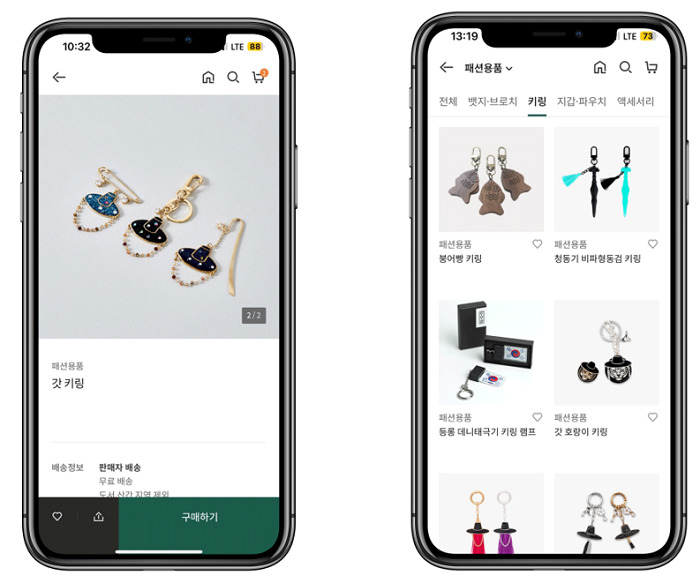
    The Korean Folk Village has officially launched its app-based online store, expanding the distribution of traditional cultural products from on-site visitors to the global digital market.

    This launch comes amid growing global interest in the fusion of K-pop and traditional culture. A direct backdrop was the popularity of Netflix’s hit KPop Demon Hunters, which seamlessly blended traditional elements with modern aesthetics.

    One notable case is the sell-out of products related to the traditional Korean hat, gat. The online store now offers a wide range of items, from Chuseok gift sets, chapssal yeot (glutinous rice taffy), and dongdongju (traditional rice wine) to practical goods, becoming a convenient gateway for global customers to experience Korean tradition.

    A Folk Village representative commented, “The synergy between K-content and traditional culture is driving explosive demand,” adding that the online store will serve as a new turning point in spreading Korean cultural heritage worldwide.

  • BTS V Joins Snow Peak Apparel to Showcase Global K-Fashion Trends

    Premium outdoor brand Snow Peak Apparel has unveiled a new pictorial featuring BTS member V, highlighting the fusion of K-pop and fashion on a global stage.

    The collection, themed “Light Yet Lasting Warmth,” focuses on winter essentials such as lightweight down jackets. V showcases a refined look by pairing the jacket with loose-fit pants and a knit zip-up, effortlessly breaking the boundary between everyday life and outdoor style.

    Through this collaboration, Snow Peak Apparel visually captures its philosophy of “everyday naturalism.” With global artist V at the forefront, the collection transcends ordinary outdoor wear, emerging as a global trend item where K-pop and fashion intersect.

    Meanwhile, following his military discharge, V has been actively engaging with fans while also dedicating himself to his upcoming solo album. His photoshoots and music activities are set to deliver a unique cultural experience that blends Korean fashion with K-pop to fans worldwide.

  • From Shopping Mall to Urban Playground: Seoul’s Dopamine Station Boom

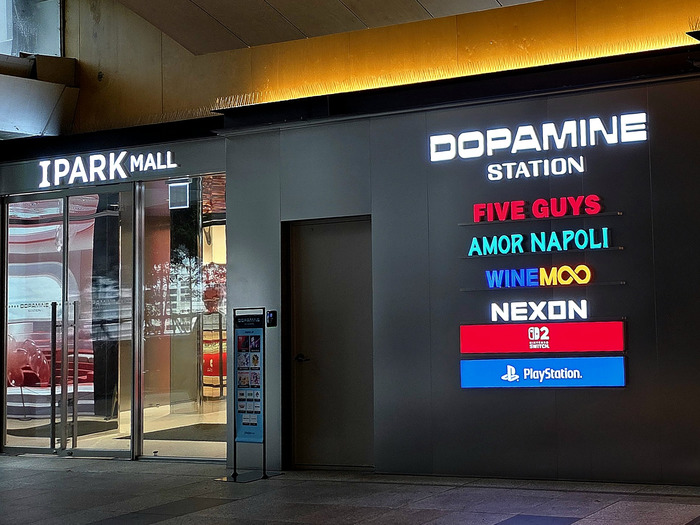
    Yongsan I’Park Mall in Seoul has transformed from a simple shopping venue into a must-visit “hot place” for Gen Z and international tourists.

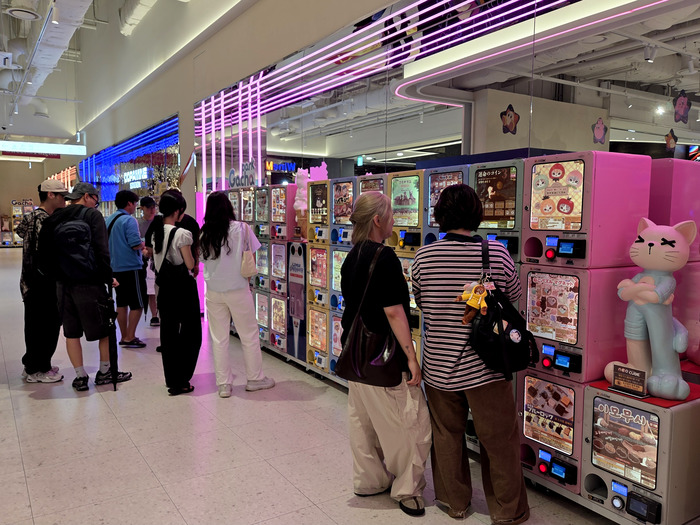
    Its 3rd-floor “Dopamine Station,” featuring over 200 gacha (capsule toy) machines, generates monthly sales of 300–400 million KRW, drawing up to 30,000 daily visitors during peak vacation seasons. According to the Korea Tourism Organization, it recently ranked second among Seoul’s top attractions, solidifying its reputation as a K-culture landmark.

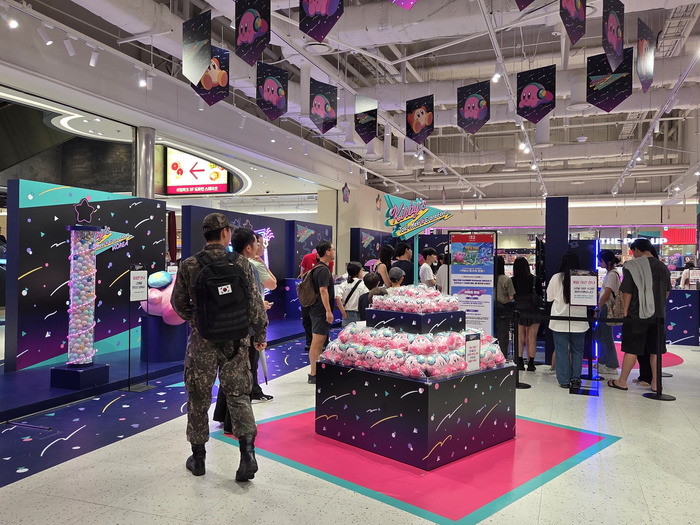
    Branded as an “urban playground,” Dopamine Station houses unique shops such as the Nintendo Store, Crayon Shin-chan and Cardcaptor Sakura goods stores, rare plant shops, and mechanical keyboard pop-ups. Visitors can also enjoy the Kirby crane event, Nexon’s first game café, U.S. burger chain Five Guys, and a K-food restaurant inspired by Korean street food, making it equally appealing to international guests.

    Its strong SNS buzz has amplified its popularity, with official account views up 80% year-on-year and 70% of visitors in their 20s and 30s. No longer just a mall, it has become a cultural, gaming, and culinary experience space unique to Korea — and is set to continue rising as a global K-lifestyle destination.

  • From 1592 to K-Culture: Leeum Museum Showcases Origins of the Magpie and Tiger Icon

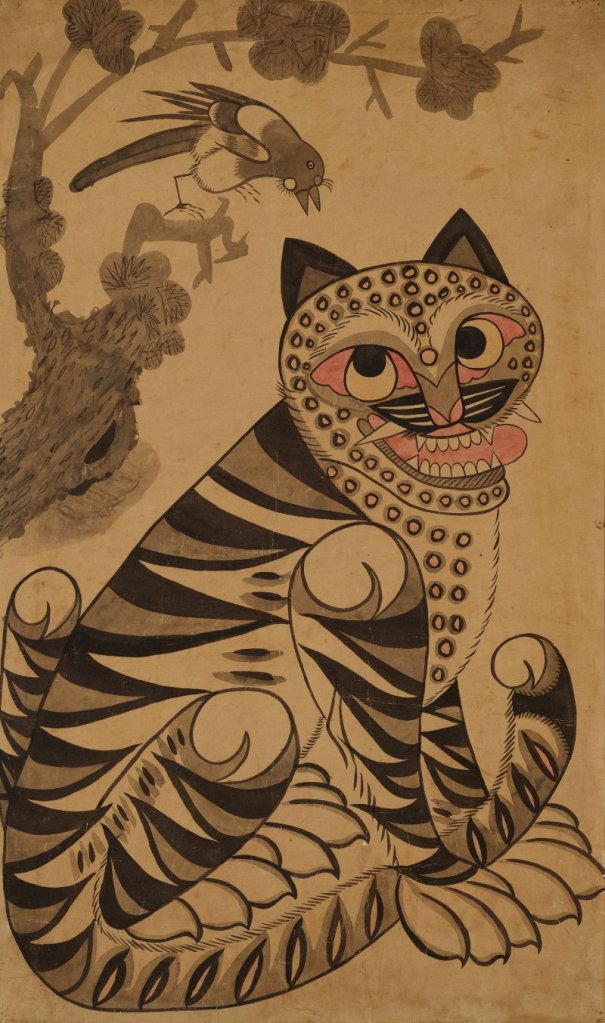
    The Leeum Museum of Art has opened its exhibition “Magpie and Tiger: 虎鵲 (Hojak)” in parallel with the global success of Netflix’s K-pop Demon Hunters(Kedehon), unveiling Korea’s oldest known Hojakdo for the first time — a 1592 painting.

    The exhibition features seven traditional and folk paintings depicting tigers and magpies. The 1592 piece, recorded as painted in the “Imjin year,” is the earliest extant Magpie and Tiger work. Unlike later folk paintings, it follows classical art conventions while incorporating scenes such as “Chulsanho” (birth tiger), “Gyeongjo” (celebration and condolence), and “Yuho” (playing tiger), marking the origin of the Hojak iconography.

    Also on display is the 19th-century folk painting nicknamed the “Picasso Tiger,” famous for its humorous expression and yellow-striped coat, which inspired the 1988 Seoul Olympic mascot Hodori. Other highlights include Shin Jae-hyun’s 1874 Hojakdo, Hopijangmakdo featuring tiger-skin patterns and poetry by Dasan Jeong Yak-yong, and Kim Hong-do’s realistic Songha Maenghodo.

    The museum noted, “This exhibition shows how the tiger from 430 years ago evolved into today’s K-culture icon.”

    The exhibition runs until November 30 on the second floor of M1, with free admission. The Leeum Store also offers goods inspired by magpie-and-tiger motifs.

  • Philakorea 2025: Rare Stamps, K-Culture, and Global Heritage Meet in Seoul

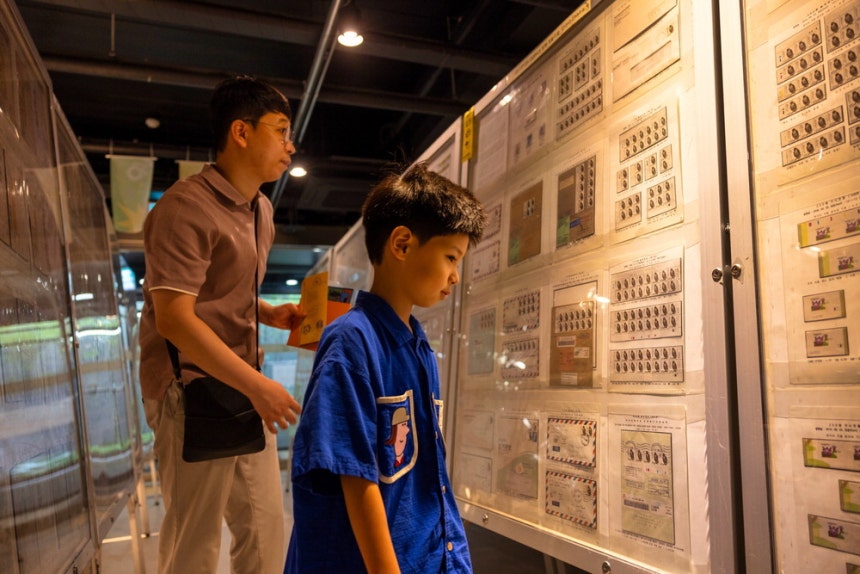
    The World Stamp Exhibition Philakorea 2025 will be held from September 17–21 at COEX Magok Convention Center in Seoul.

    Returning to Korea for the first time in 11 years, this FIP (International Federation of Philately) officially recognized event will showcase 365 works from 65 countries, with a total of 2,002 frames of stamps on display. The exhibition aims to highlight the value of stamps not just as collectibles, but as cultural assets connecting eras and generations.

    Exhibition halls will feature seven themes including art, heritage, K-culture, and the environment. K-culture stamps featuring Korean cuisine and pop culture will also be introduced to the world. Visitors can enjoy interactive content tailored for the digital generation, such as AI-based stamp recommendations, a brainwave-powered letter-sending game, and robot-drawn portrait stamps. Photo booths that instantly transform images and graffiti stamp experiences will add to the excitement.

    Highlights include the first-ever display in Korea of the world’s most expensive stamp, the “One-Cent Magenta,” as well as Korea’s first-ever postal stamp, combining rarity with historical significance. Family-friendly programs such as coloring, “design your own stamp,” and commemorative postmark experiences will also be available.

    Admission to Philakorea 2025 is free, with pre-registration recommended for smoother entry.