As of January 9, 2026, a powerful arctic blast with temperatures reaching -40°C in the upper atmosphere is sweeping across the Korean Peninsula, triggering the heaviest snowfall of the winter season.

According to the Korea Meteorological Administration, the snow began late Friday night and is expected to expand nationwide throughout Saturday, January 10. Significant accumulation is forecast, with inland areas of Gangwon and Jeolla provinces expecting over 15cm, while the Seoul metropolitan area may see up to 8cm of snow.
This intense snowfall is caused by the frigid arctic air interacting with the relatively warmer waters of the West Sea, leading to the rapid development of thick snow clouds.
Travelers should be prepared for heavy snow during the daytime on Saturday, which may be accompanied by thunder, lightning, and strong gusts in some regions. Because the snow is anticipated to accumulate very quickly within a short window, regional variations in depth will be significant, potentially impacting transportation and outdoor activities across the country.
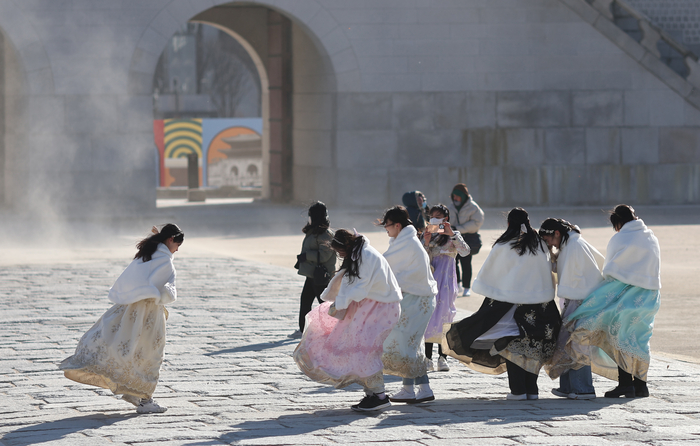
Once the snow subsides, a severe cold wave is projected to return starting Sunday, January 11.
While Saturday’s morning temperatures remained relatively mild, they are expected to plummet to between -15°C and -2°C as a continental high-pressure system expands. Interior regions are likely to experience a deep freeze around -10°C, making for a bitterly cold start to the week.
For those currently traveling in Korea, it is highly recommended to check real-time weather updates and prepare for extreme sub-zero temperatures.

 ONLINEKOREANEWS.COM