Starting April 1st, 2026, fuel surcharges applied to international airfares by various airlines have risen by more than three times compared to the previous month.
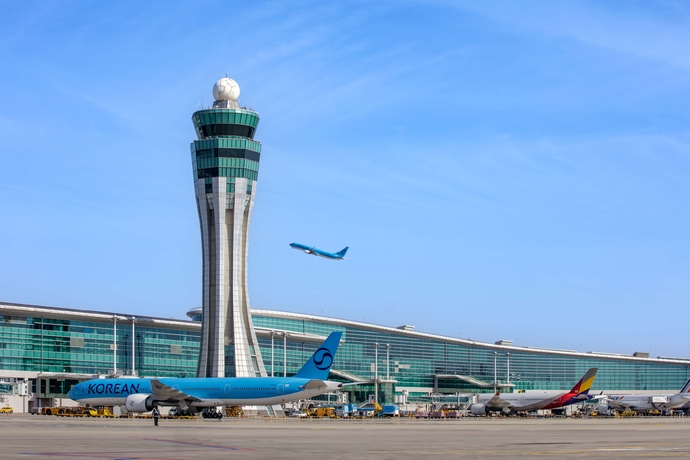
Korean Air’s one-way fuel surcharge for U.S. routes increased from 99,000 KRW last month to 303,000 KRW, resulting in a 606,000 KRW charge for round-trip tickets. Asiana Airlines and various low-cost carriers (LCCs) have also implemented significantly increased fuel surcharges as of today.
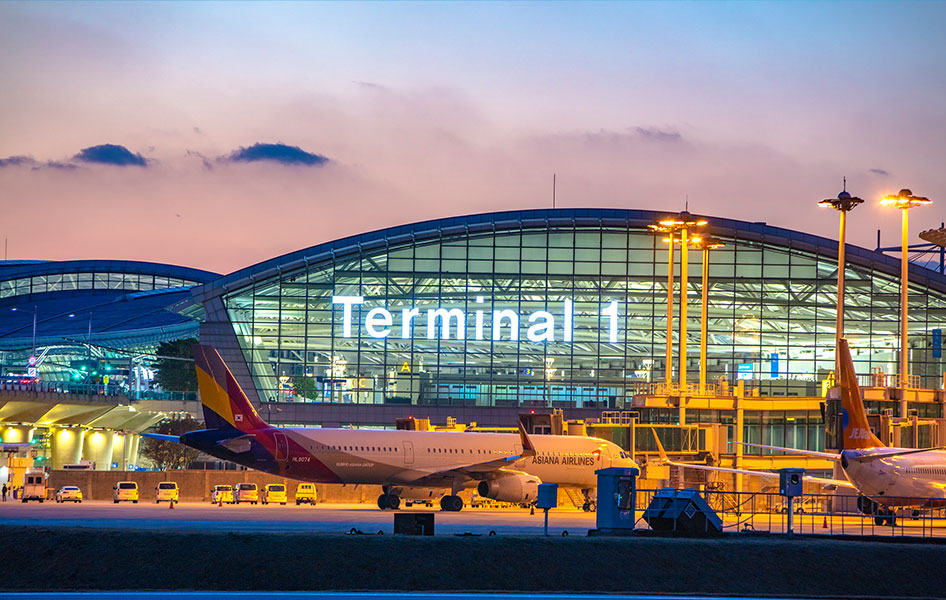
There is a high possibility that fuel surcharges will rise even further starting next month. The average price of jet fuel on the Singapore spot market reached $5.33 per gallon as of late last month, up from $3.27 earlier in the period. Since the period reflected in next month’s surcharge overlaps with ongoing global conflicts, projections suggest even higher levels than current rates.
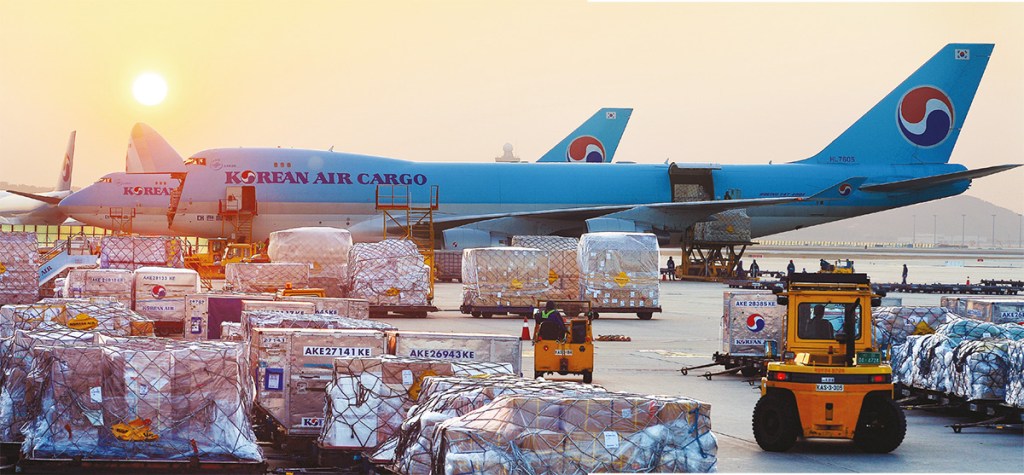
As airfare prices rise significantly due to the surcharge hike, passenger demand is expected to decrease.
Consequently, Korean Air transitioned to an emergency management system this month, and Asiana Airlines decided to reduce flight frequency on four international routes by a total of 14 round-trips through next month. Airlines are currently implementing stepped response measures to manage the extreme fluctuations in oil prices.
[ONLINE-KOREA: Letter from Korea]
As you may have heard, the instability in the Middle East and the ensuing surge in international oil prices have caused a logistical emergency. Fuel surcharges for airlines worldwide have skyrocketed, increasing more than threefold compared to last month.
In such a crisis, how can you minimize the burden of shipping costs when shopping from abroad❓
💡First, actively utilize “Consolidation Services.”
Ordering separately from multiple malls means paying basic shipping fees and surcharges every time. By having a single partner gather your items and ship them in one box, you can significantly lower the unit shipping cost per item.
💡Second, reducing volume is the key to saving money.
Airfreight is calculated not only by weight but also by the “box size” (volumetric weight). By choosing a provider that minimizes wasted space and excess packaging, even a 1cm reduction in size can shift your shipment into a lower price bracket.
💡Finally, consider “Sea Freight” options.
For items that are not urgent, or for heavy household goods and books, we recommend sea freight over air. Although it takes longer, it is the most reliable way to save costs in this era of high oil prices.
Despite the global logistics crisis, I believe we can navigate these challenges by choosing the shipping options that best fit your needs. ONLINE-KOREA remains committed to being your most economical and secure shopping partner. Please feel free to contact us with any questions😄👌

 ONLINEKOREANEWS.COM