Tag: Korean culture

  • KOREAN NEWS | 30,000 Gather in Seoul to Welcome the New Year Despite -10°C Chills❄️

    As the “Bosingak Bell” tolled to announce the “Year of the Red Horse,” January 1, 2026, officially began.
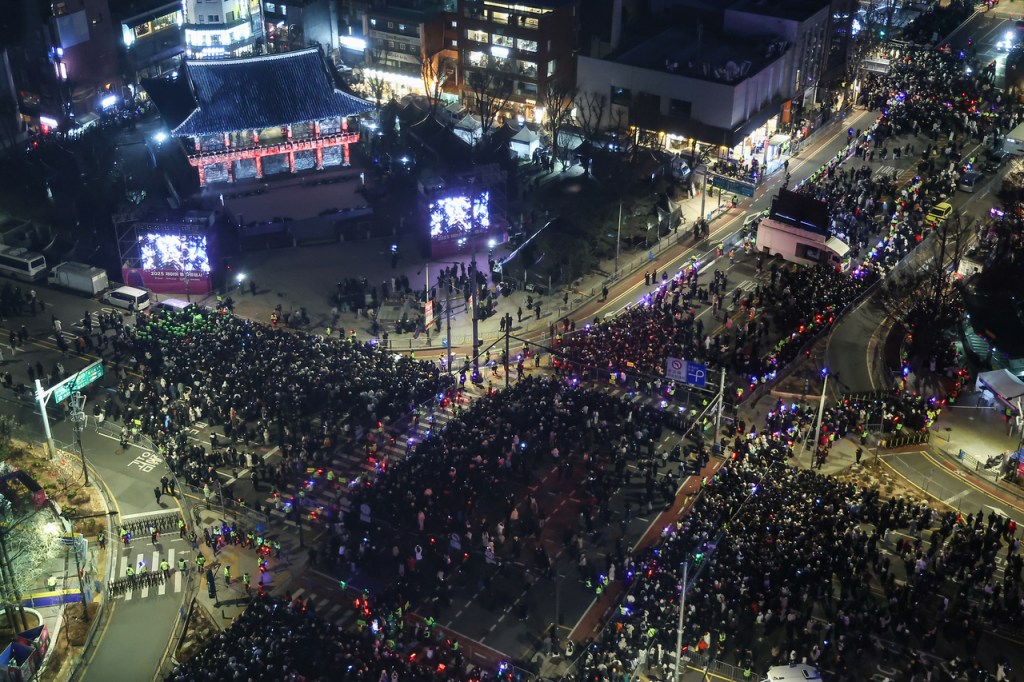
    Despite the freezing temperatures of -10°C in Seoul at midnight, approximately 30,000 citizens gathered in front of the Bosingak Pavilion in Jongno to welcome the new year.
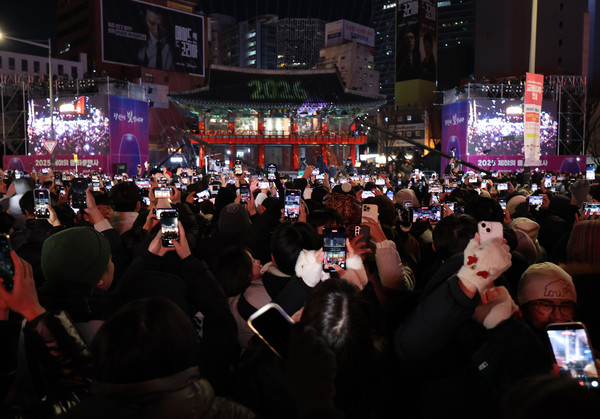
    This year’s bell-ringing ceremony was especially meaningful, featuring 11 civilian representatives—recognized as the unsung heroes of society—including Kim Gwi-sun, a counselor at a suicide prevention lifeline.
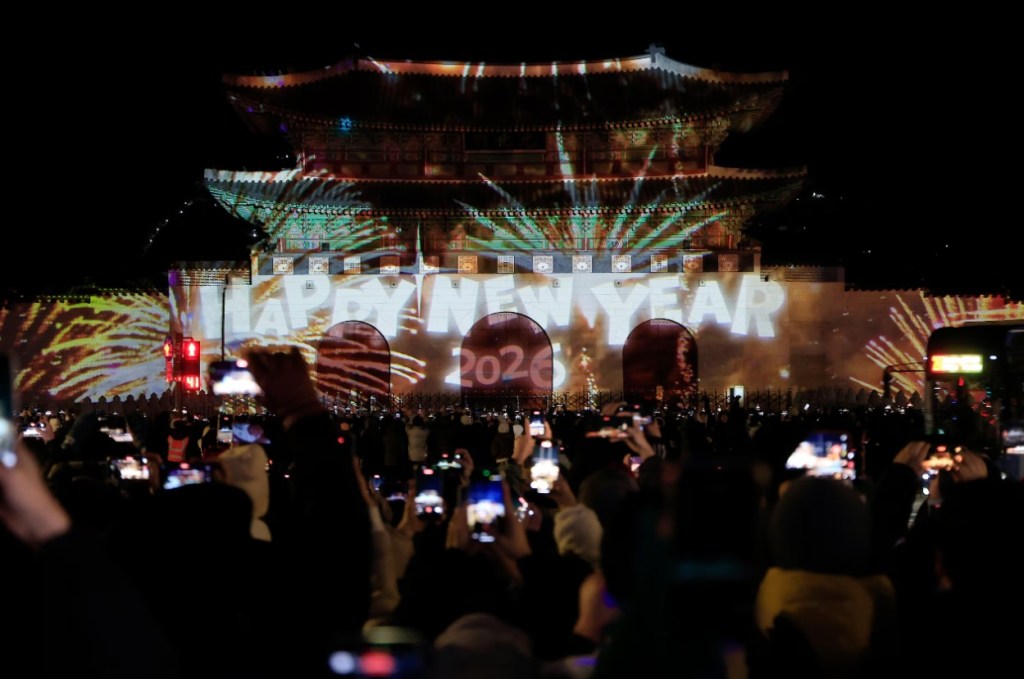
    Simultaneously, Gwanghwamun Square hosted the “Stage of Light,” a collaborative effort between the public and private sectors. A grand countdown show on massive LED screens and vibrant media facades illuminating the building exteriors transformed the night of Seoul into a work of art, delivering profound emotion and hopeful wishes for the new year to the citizens.
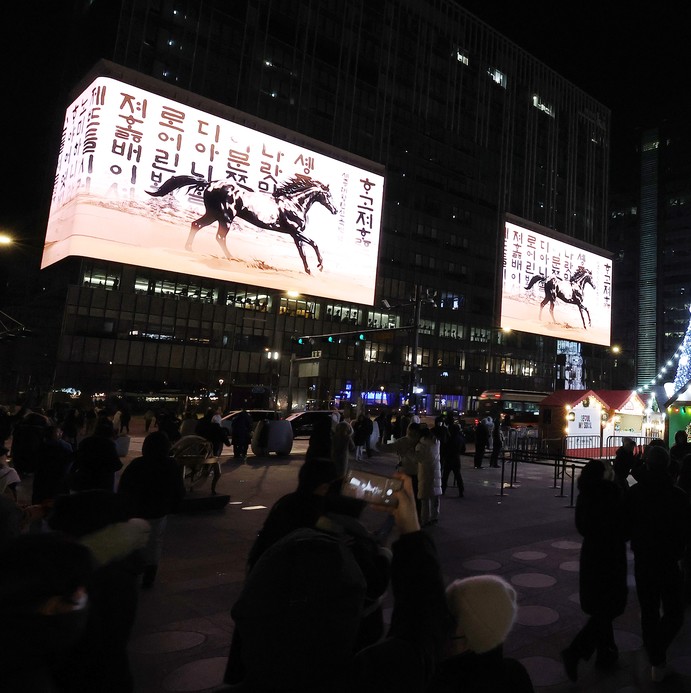
    💡ONLINE-KOREA Insight

    Happy New Year 2026!

    We wish you a healthy and prosperous year ahead, and may all your endeavors bear fruitful results.

  • Virtual Idol Group Saryeonghwa Debuts with Korean Folklore Concept

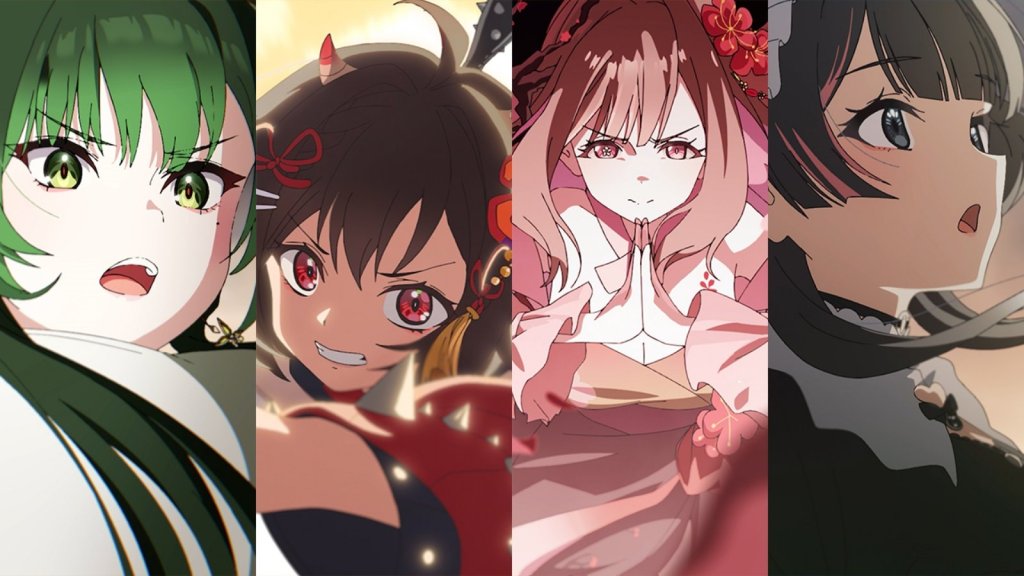
    A new virtual idol group inspired by traditional Korean folktales, Saryeonghwa (四靈花), will officially debut on November 13.

    Produced by subculture-focused label GRIM Production, the group follows last year’s debut of WISHes and is gaining attention for its unique storytelling rooted in a deeply Korean worldview.

    The group consists of four members — Cheongmok, Biwha, Maehwarin, and Baekhee — whose name Saryeonghwa means “four spiritual beings coming together to bloom as one flower, creating a beautiful story.”

    An animation released on October 31 depicted “The Garden of Stillness,” a realm where life and death, reality and fantasy intersect, illustrating the moment these four otherworldly beings unite as one team.

    What distinguishes Saryeonghwa’s universe is its reinterpretation of Korean myths and spiritual lore through a modern lens. Once-forgotten deities reawaken as virtual idols, reconnecting with fans to revive lost stories and emotions. The group’s poetic identity is reflected in its ethereal character designs and logo, adorned with drifting petals that symbolize rebirth and harmony.

    Saryeonghwa will hold its first broadcast on November 8 via Naver’s streaming platform Chzzk, followed by the official release of its debut album on November 13. Combining Korean aesthetics with immersive narrative depth, the group is poised to bring fresh energy to the growing virtual idol scene.

  • From Luxury to Everyday — The Rise of Unmanned Flower Shops

    Unmanned flower shops are becoming one of Korea’s latest lifestyle trends — offering a convenient and comfortable way for anyone to buy flowers.

    Beyond reducing labor costs and enabling 24-hour operation, these shops have created a welcoming space where men can purchase flowers without hesitation. Traditional flower shops required on-site florists and higher operational costs, but automation has changed the landscape, making flower buying more accessible and affordable.

    The rise of male customers is particularly noteworthy. In a quiet, private space, men can choose flowers freely without feeling self-conscious. Ready-made bouquets, available through vending-style displays, lower psychological barriers and encourage spontaneous purchases. More men are now buying flowers for themselves or as small daily gifts — moving away from the old belief that “flowers are only for special occasions.”

    A prime example is Erfleur, an unmanned flower shop in Suwon, which embodies this new wave. With the slogan “Flowers, closer and more natural”, Erfleur combines a French-inspired interior with reasonable prices. Open from 7 AM to midnight, it restocks fresh flowers three times a week. Owner Seo Subin said, “I wanted to create a space where anyone can buy flowers, even late at night — especially a place where men can feel comfortable choosing them.”

    Unmanned flower shops are now evolving beyond convenience — becoming cultural spaces that represent emotional consumption and gender-neutral lifestyles in modern Korea.

  • Park Bo-gum Brings Korean Tradition to Global Landmarks

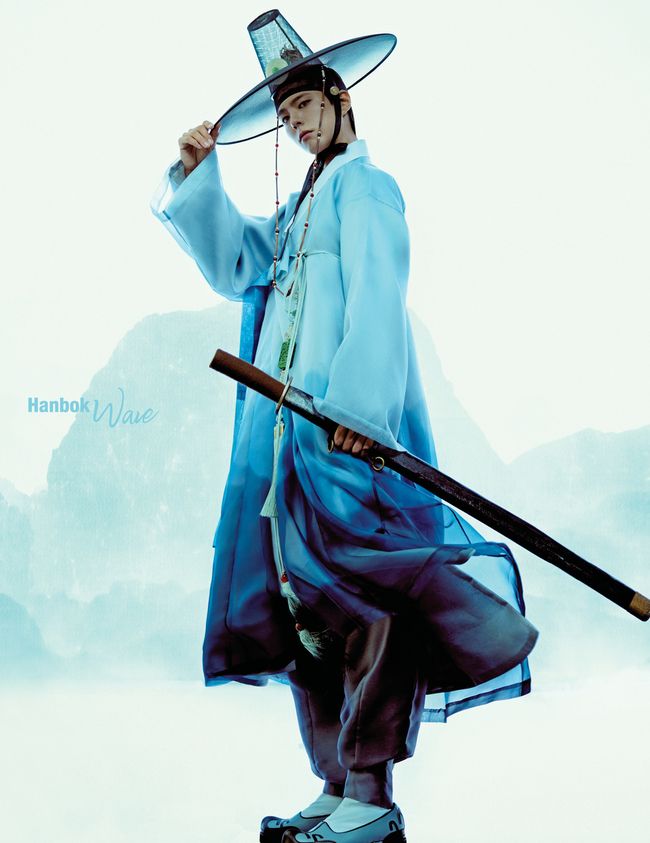
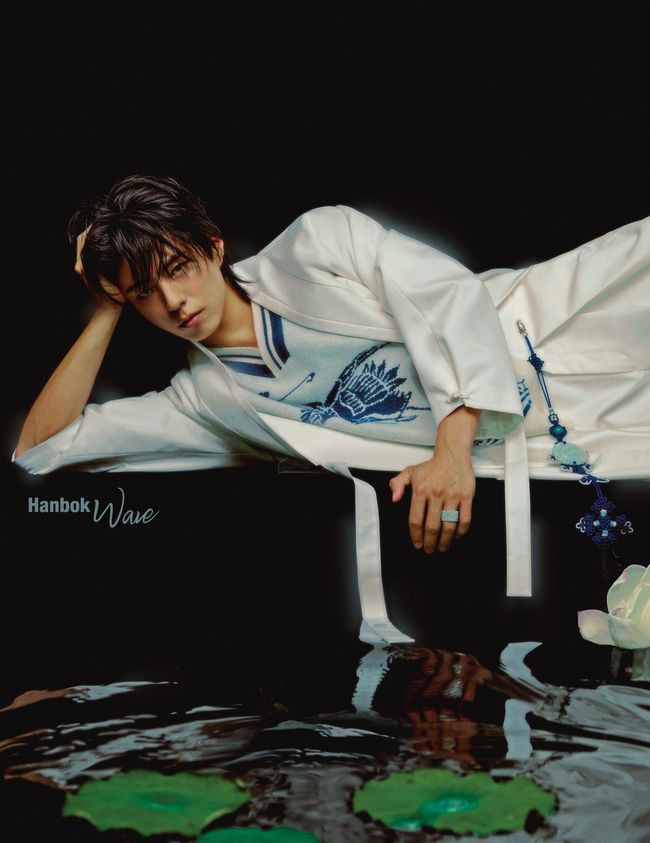
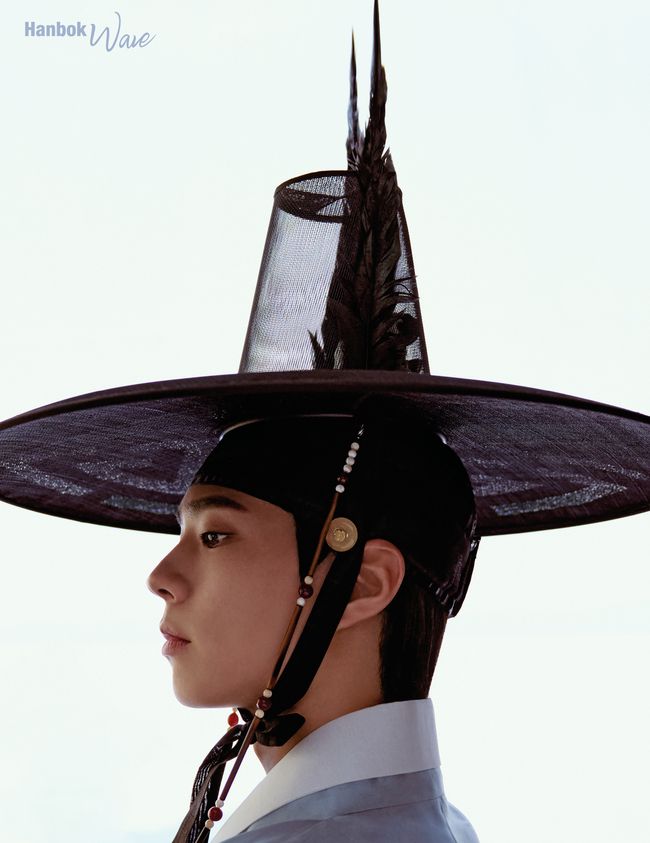
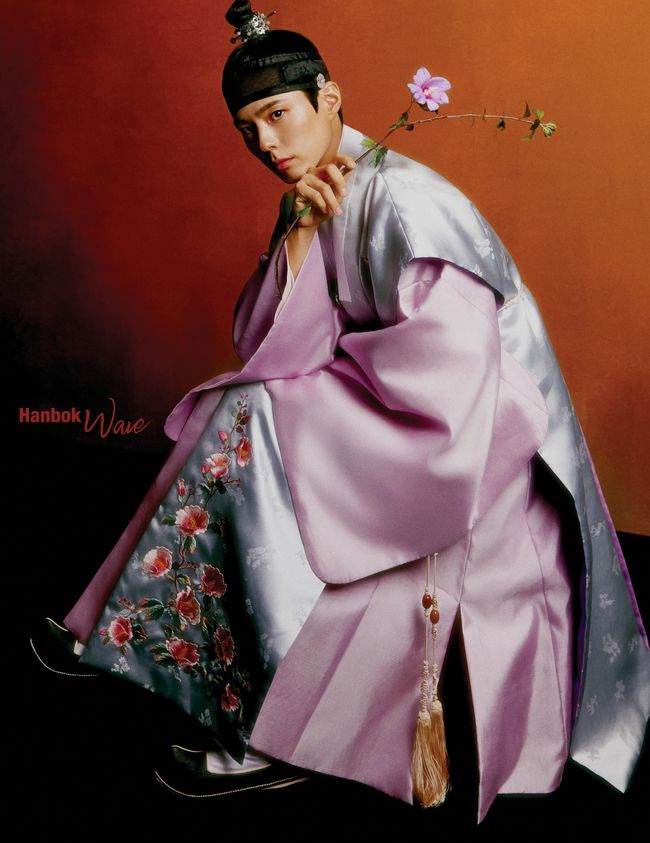
    The Ministry of Culture, Sports and Tourism and the Korea Craft & Design Foundation announced that actor Park Bo-gum will present a special hanbok pictorial as part of the “2025 Hanbok Wave” project.

    “Hanbok Wave” is an annual initiative where hanbok designers and Hallyu stars collaborate to reinterpret traditional attire in modern styles and present them on the global stage. This year, Park Bo-gum was chosen as the sole model to highlight the elegance of men’s hanbok.

    The pictorial features four designs: a scholar-style hanbok embroidered with hibiscus patterns, a reinterpretation of Goguryeo clothing, designs inspired by the jeogori and cheollik, and a piece expressing vitality through traditional landscape paintings.

    The pictorial video will be screened on Chuseok (October 6) at New York’s Times Square, Milan’s Piazza del Duomo, and Tokyo’s Shinjuku billboards, followed by releases in Paris and Seoul’s Myeongdong.

    Additional photos and interview footage will be shared via the ministry and KCDF’s official SNS, while a printed photo book will be published as a special edition of Harper’s Bazaar Korea on October 10.

  • Korean Craft Past and Future on Display at Incheon Airport

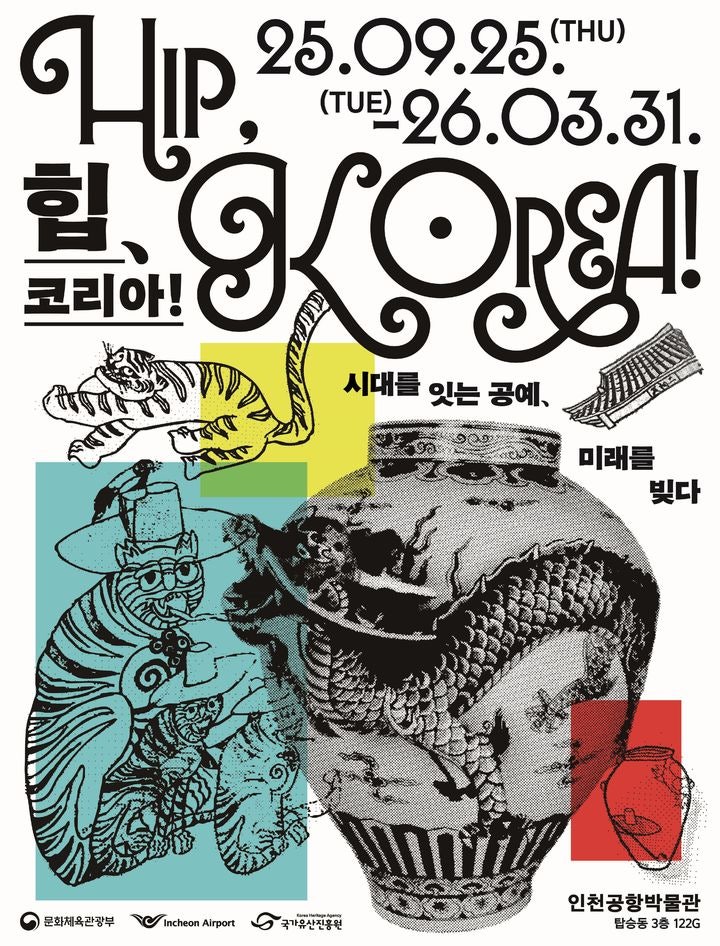
    Incheon International Airport Corporation, in partnership with the National Heritage Promotion Institute, is presenting the special exhibition “HIP, KOREA! – Craft Connecting Eras, Shaping the Future” at the Incheon Airport Museum through March next year.

    The exhibition reinterprets the beauty of traditional Korean crafts with a modern perspective, showcasing around 70 pieces that include both contemporary artworks and traditional artifacts.

    Organized around the theme of “From Modern to Tradition,” the exhibition begins with contemporary crafts such as metalwork, ceramics, lacquerware, and textiles that highlight the potential of today’s K-craft. The latter part features authentic historical relics, including items from the National Museum of Korea and the Yanggu White Porcelain Museum, emphasizing their cultural roots and aesthetic depth.

    Visitors can also take part in interactive programs. Throughout the exhibition, the Korea Traditional Culture Center will offer a free hands-on experience where participants can make a “bojagi keyring,” allowing them to enjoy both the exhibition and Korea’s traditional culture.