Tag: Korean Market Entry

  • [Korean Travel] Seoullo 7017: Transforming a 1970s Highway into Seoul’s Green Pedestrian Hub

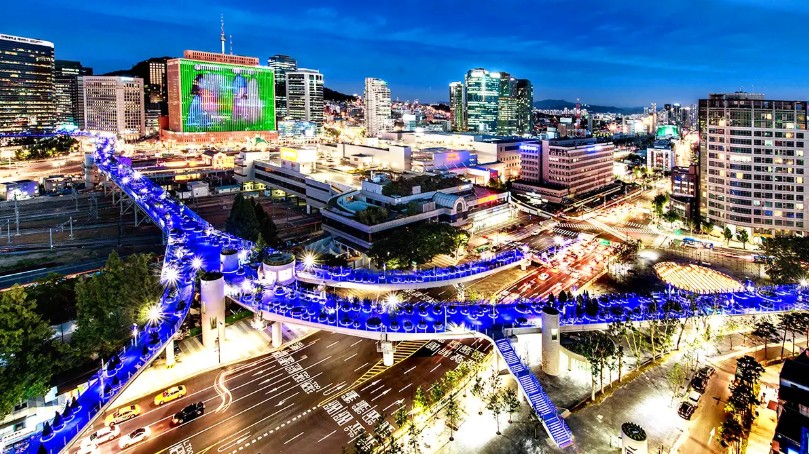
    Seoullo 7017 is a 1,024-meter-long elevated pedestrian park that breathes new life into a decommissioned 1970s overpass.

    Designed by renowned Dutch architect Winy Maas, this urban regeneration project connects 17 different pedestrian paths around the Seoul Station area, allowing travelers and business visitors to navigate the dense city center with ease. Standing 17 meters above the ground, the skywalk offers panoramic views of major landmarks, including the historic Seoul Station building, Namdaemun Gate, and N Seoul Tower, providing a unique perspective on Korea’s architectural evolution.

    The skywalk functions as a living botanical library, featuring over 24,000 plants across 228 species arranged alphabetically.

    Visitors can scan QR codes on the planters to learn about the seasonal flora, ranging from spring magnolias to vibrant autumn maples. After sunset, the entire path is illuminated with thousands of blue LED lights, creating a cosmic atmosphere that contrasts beautifully with the surrounding city lights. This makes it not only a green retreat but also a premier spot for late-night photography and evening strolls.

    This landmark is open 24 hours a day with no admission fee, making it highly accessible for both early morning walks and late-night explorations.

    It is conveniently reached from Seoul Station (Lines 1 & 4, Exit 2) or Hoehyeon Station (Line 4, Exit 5). Due to its central location, it serves as a perfect bridge to nearby commercial hubs like Namdaemun Market and cultural sites like Culture Station Seoul 284, enabling a seamless walking tour through the heart of historic and modern Seoul.

  • [Korean News] Is the “Dujjonku” Bubble Bursting? Rising Consumer Fatigue Amidst Ethics Concerns

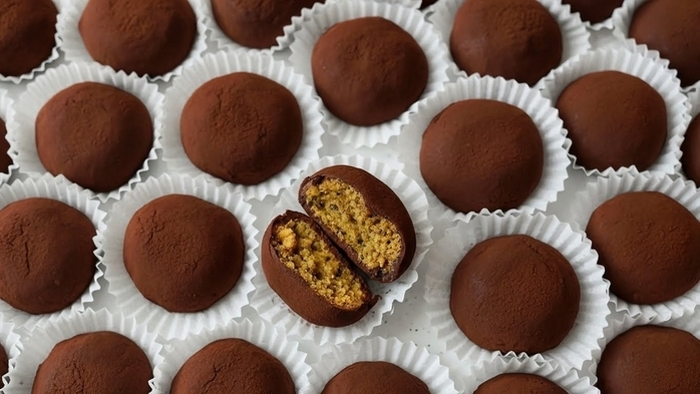
    The viral “Dubai Chewy Cookie” (Dujjonku) phenomenon in South Korea has reached a bizarre turning point as non-food businesses, including specialized bedding shops, have begun using the treat to lure customers.

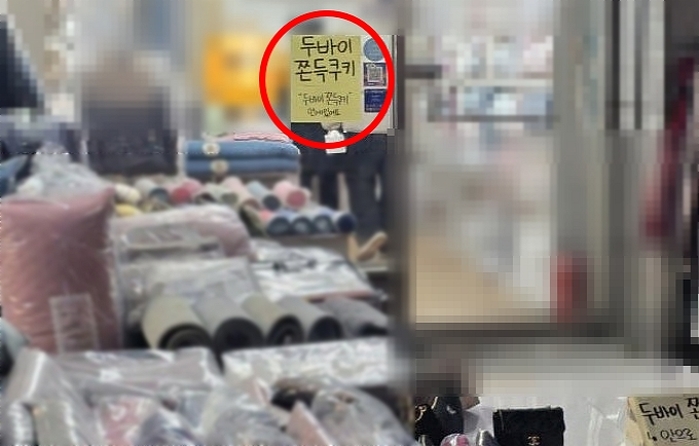
    Recent online reports featured a blanket shop advertising the cookies to entice visitors inside, following similar tactics used by sushi and eel restaurants. This trend of using a high-demand dessert as a “bait product” has sparked a heated debate regarding unethical marketing practices across unrelated industries, with critics questioning the integrity of businesses that exploit viral trends to boost foot traffic.

    Beyond marketing ethics, the trend has raised significant legal and hygiene concerns.

    Netizens have pointed out potential violations of the Food Sanitation Act, questioning whether these establishments hold the necessary licenses for food distribution. Fears regarding the lack of proper hygiene management in non-food environments, such as textile or specialized service shops, are also mounting. Critics compare the current frenzy to the past “Honey Butter Chip” era, where popular snacks were bundled with unrelated goods to force sales, highlighting the recurring negative side effects of hyper-viral consumer trends in the Korean market.

    While the demand remains high, some observers suggest the craze may have reached its peak.

    Comparisons are being drawn to the once-ubiquitous “Tanghulu” trend, which saw a rapid decline after its initial surge due to overexposure and changing consumer tastes. As businesses increasingly use the cookie as a “click-bait” item on delivery apps to boost visibility, public fatigue over the commercial exploitation of the trend is becoming more apparent. This shift suggests that without a sustainable supply chain and ethical standards, the “Dujjonku” fever may soon follow the path of its short-lived predecessors.