From backpack zippers to car keychains, keyrings are everywhere in Korea these days.
What used to be a simple decoration has evolved into a symbol of identity — and a rising consumer trend among the younger generation.
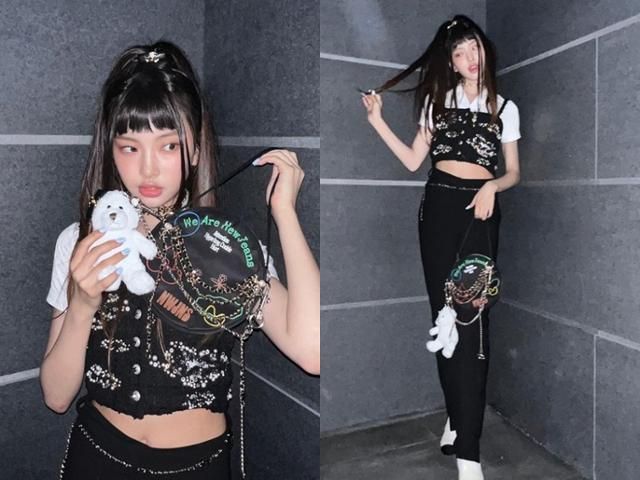
At a Daiso store in Suwon, a 22-year-old university student said, “I used to keep my bag plain, but now I collect limited-edition keyrings or win them from claw machines. When I’m stressed, I hang a squishy one; during exams, I use a four-leaf clover or lucky bear charm.”
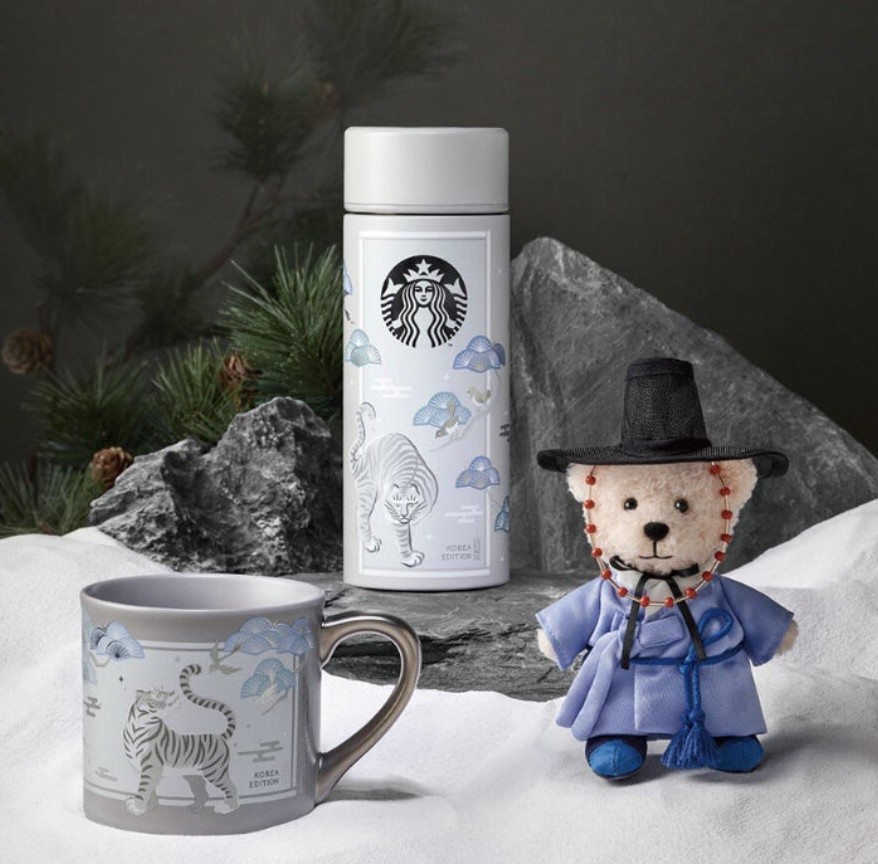
This growing collectible culture has caught the attention of major retailers.
Kakao Friends recently released Squid Game-themed dolls, while youth fashion brand Love is True launches new concept-based keyrings every month to boost collectibility.
Even non-fashion brands like Starbucks, Hyundai Card, and convenience store chains are embracing keyrings as part of merchandising campaigns, pairing them with brand characters or seasonal promotions.
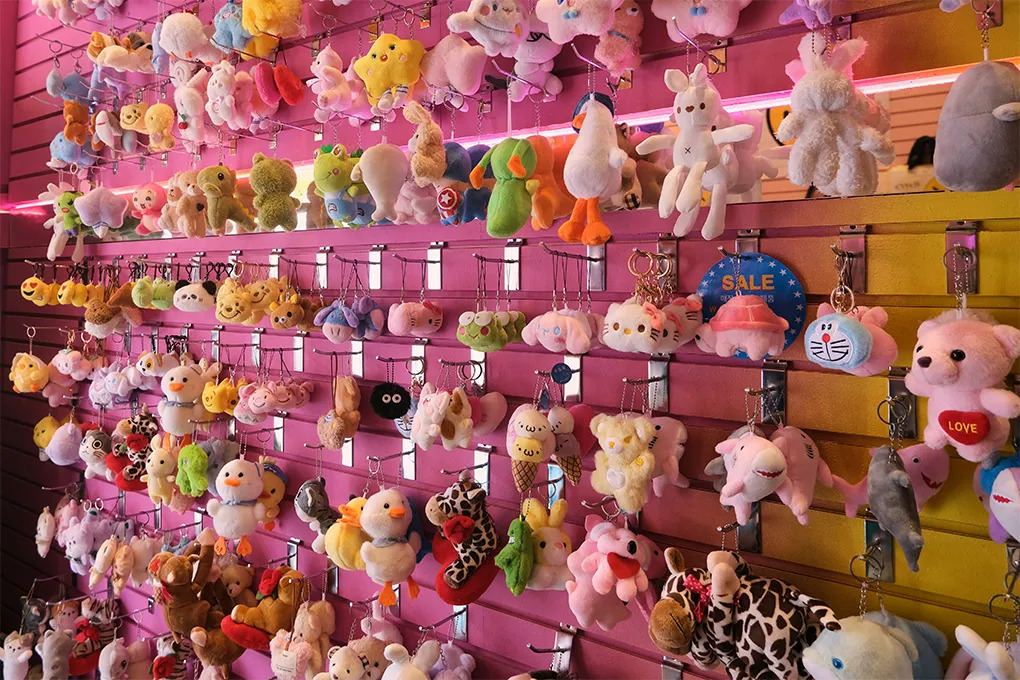
Experts point to social media as the source of the trend, where young consumers use keyrings to express their personality. On Instagram, posts tagged with #키링 exceed 1.58 million, while #keyring surpasses 1.51 million.
A consumer science professor at Inha University explained, “Decorating keyrings has become a form of self-expression. As single-person households increase, people view their keyring as an extension of themselves — something that accompanies their daily life.”
 ONLINEKOREANEWS.COM