Tag: Sourcing Agent Korea

  • 【Korean Travel】Walking on Water: The Hidden Magic of Goryeong’s Junghwa Reservoir

    Located in Goryeong, Gyeongsangbuk-do, Junghwa Reservoir is a hidden sanctuary perfect for those seeking peace and the popular Korean trend of “mulmung” (water-gazing).
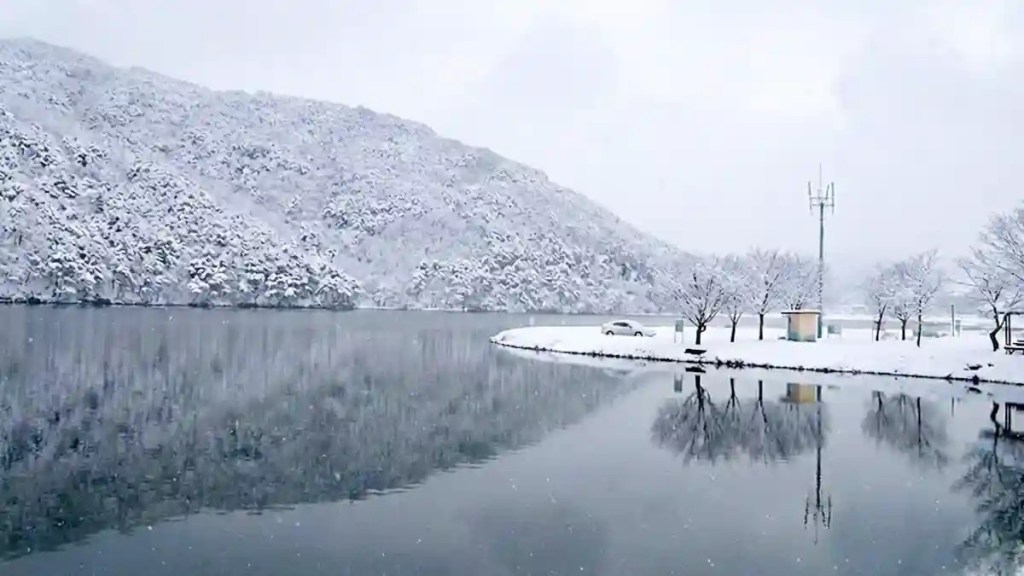
    The centerpiece of this tranquil destination is “Gayatgyo,” a stunning 800-meter floating deck road that sits just above the water’s surface.

    Walking along this path gives visitors the surreal sensation of gliding across the lake, with the surrounding mountains reflected perfectly in the mirror-like water—making it a premier destination for photography enthusiasts and nature lovers.
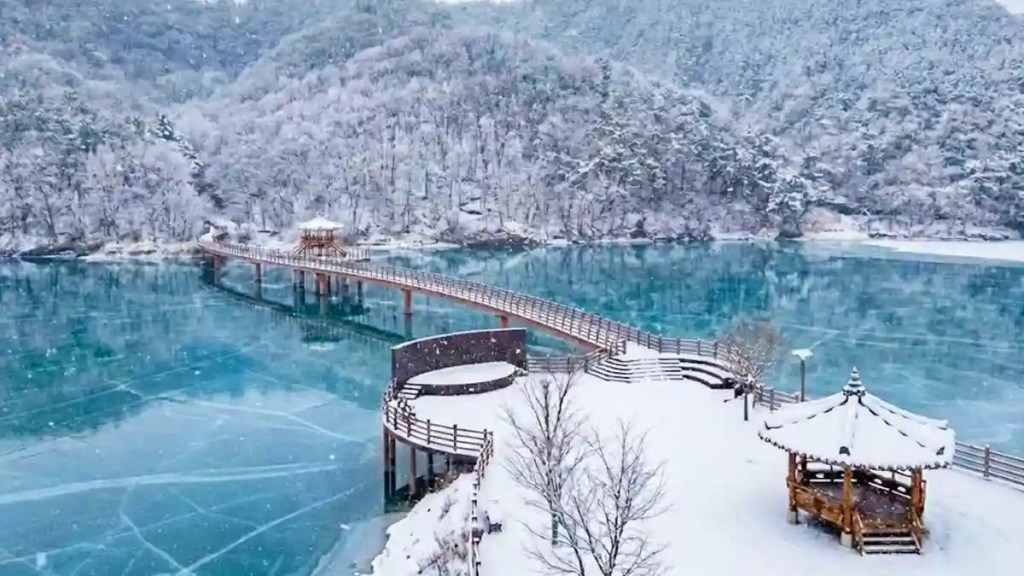
    At the heart of the trail stands “Ureukjeong,” a traditional octagonal pavilion that offers a 360-degree panoramic view of the entire reservoir.

    The 3.35km loop trail is mostly flat and easy to navigate, taking approximately 1.5 to 2 hours for a leisurely stroll. Whether you visit during the delicate cherry blossom season in spring or to witness the vibrant foliage of autumn, each season brings a new, breathtaking layer of beauty to this serene landscape.
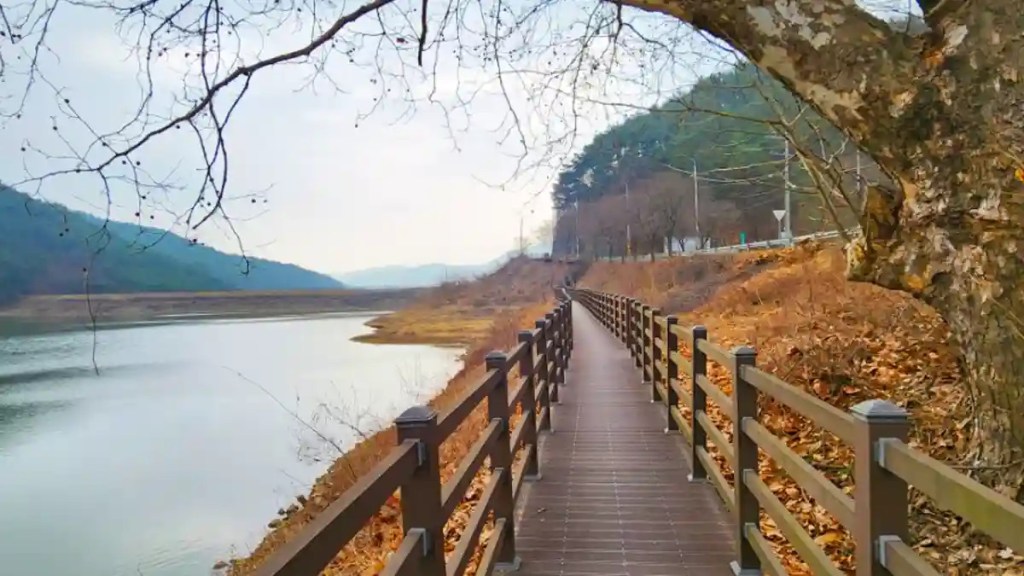
    Admission and parking are free, and the site remains open to the public year-round.

    Since the reservoir is located just 10 minutes from the center of Daegaya-eup, it is easy to combine your visit with nearby cultural landmarks such as the Ureuk Museum or Daegaya Museum.

    For those looking for an authentic, off-the-beaten-path Korean nature experience that balances history and healing, Junghwa Reservoir is an exceptional choice.


  • 【Korean News】Arctic Cold Hits South Korea: Han River Ramen Turns into a Mid-Air Sculpture

    Recently, the Japanese TBS news program “N Star” highlighted the record-breaking cold in Seoul, reporting on a unique experimental video filmed near the Han River that has since gone viral.

    At the time of the report, the temperature in Seoul had plummeted to -13°C (8.6°F). The “Han River Ramen” that the reporter cooked outdoors froze solid within just two hours, with the noodles suspended mid-air. The reporter vividly conveyed the severity of the cold while observing the ramen, which resembled a time-frozen sculpture. This phenomenon is currently trending on social media as the “Frozen Ramen Challenge,” attracting global attention.

    This cold wave in South Korea is expected to persist for the foreseeable future.

    On Tuesday morning, January 27, 2026, temperatures are forecast to drop further to a low of -14°C (6.8°F), particularly in the central regions. Combined with cold air and strong winds, the wind chill factor will likely make it feel even colder than the recorded temperature.

    Rain or snow is expected along the west coast starting from the early morning, and daytime temperatures in most central regions will remain below freezing, staying significantly lower than the seasonal average.

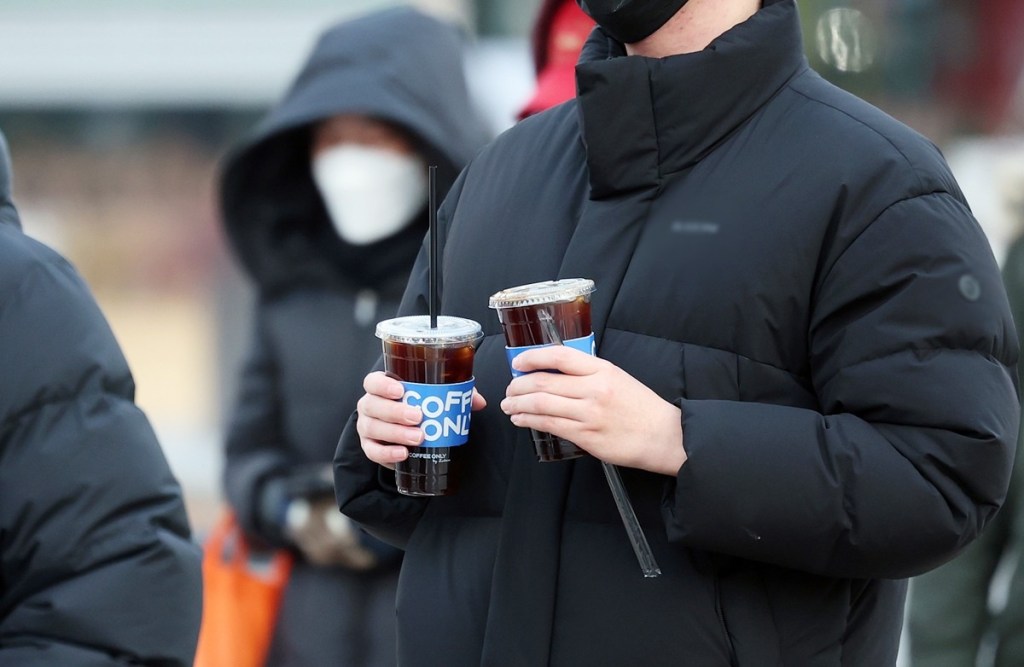
    최저온도 -11도를 보이며 전국 대부분 기온이 영하권의 추운 날씨를 보인 3일 서울 종로구 광화문네거리에서 두터운 옷차림을 한 시민이 차가운 음료를 들고 발걸음을 옮기고 있다.

    Currently, cold wave warnings are in effect for northern Gyeonggi and the mountainous areas of Gangwon.

    The Korea Meteorological Administration (KMA) has warned that as temperatures drop further on the morning of the 28th, the warning areas are likely to be expanded or strengthened.

    As the record-low temperatures cause fallen snow to freeze, increasing the risk of accidents on icy roads, thorough facility management and extreme caution regarding safety accidents are urgently required for residents and travelers alike.

  • 【Korean News】BTS “ARIRANG” World Tour: Immediate Sell-out and Historic Venue Headlining

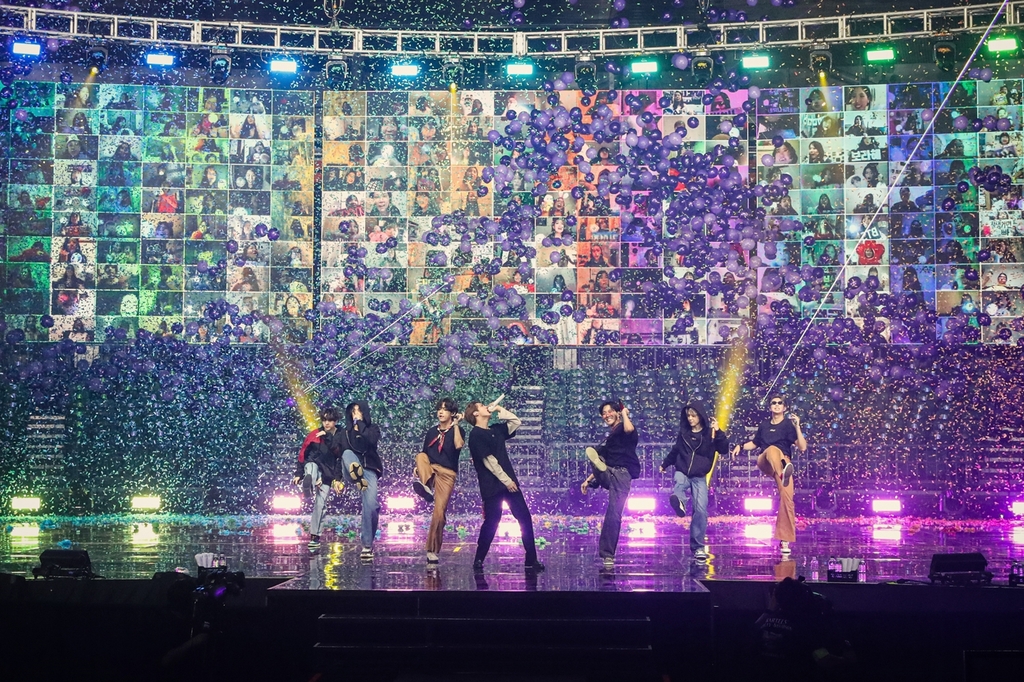
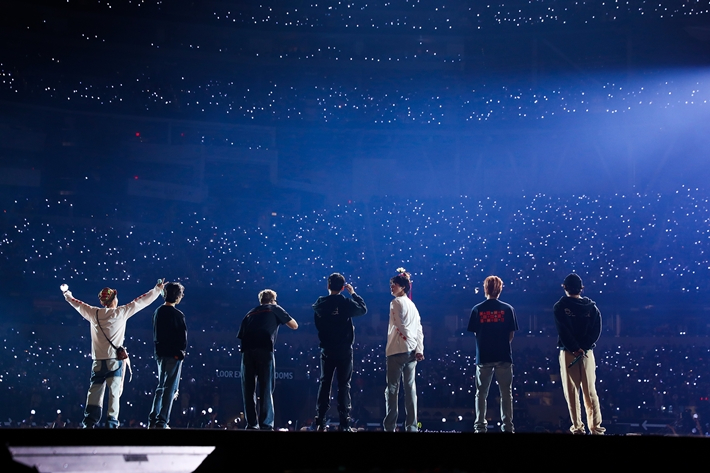
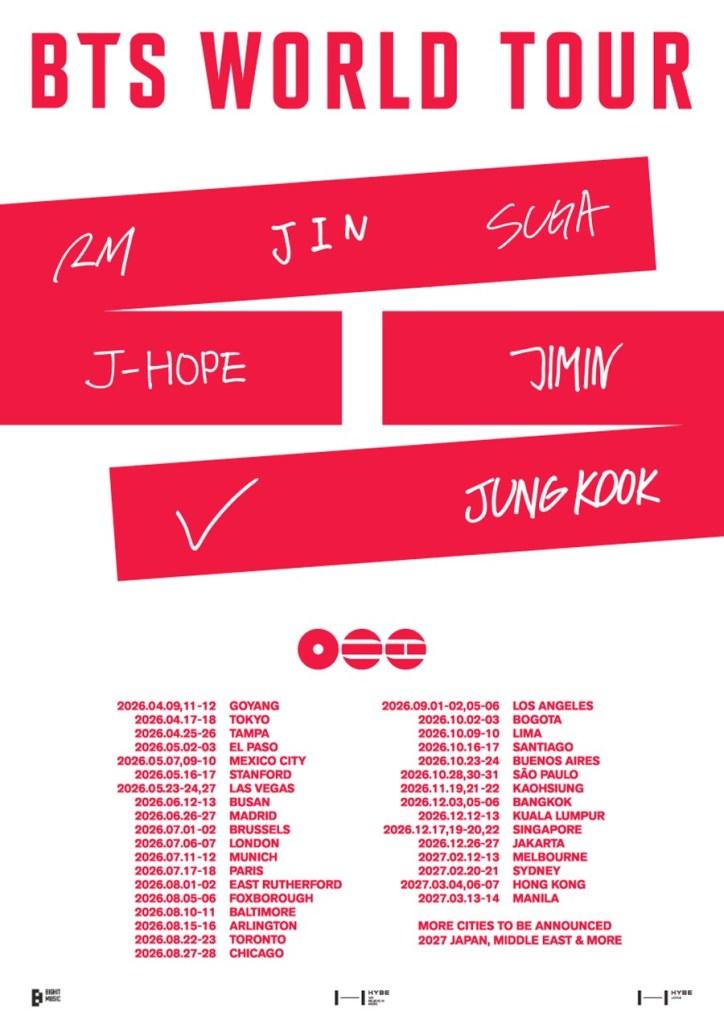
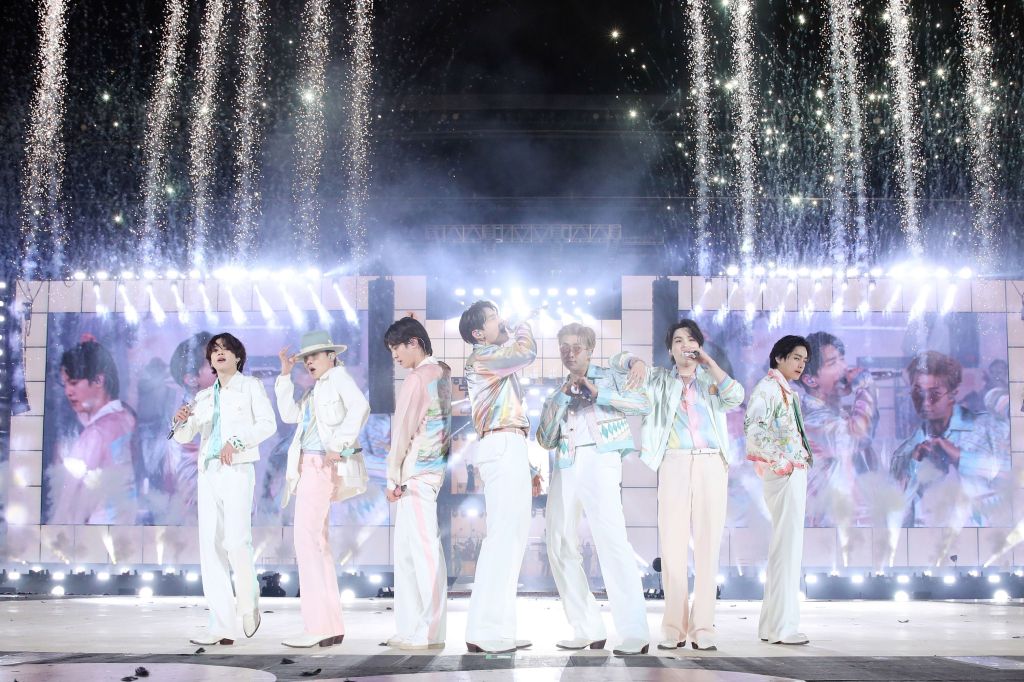
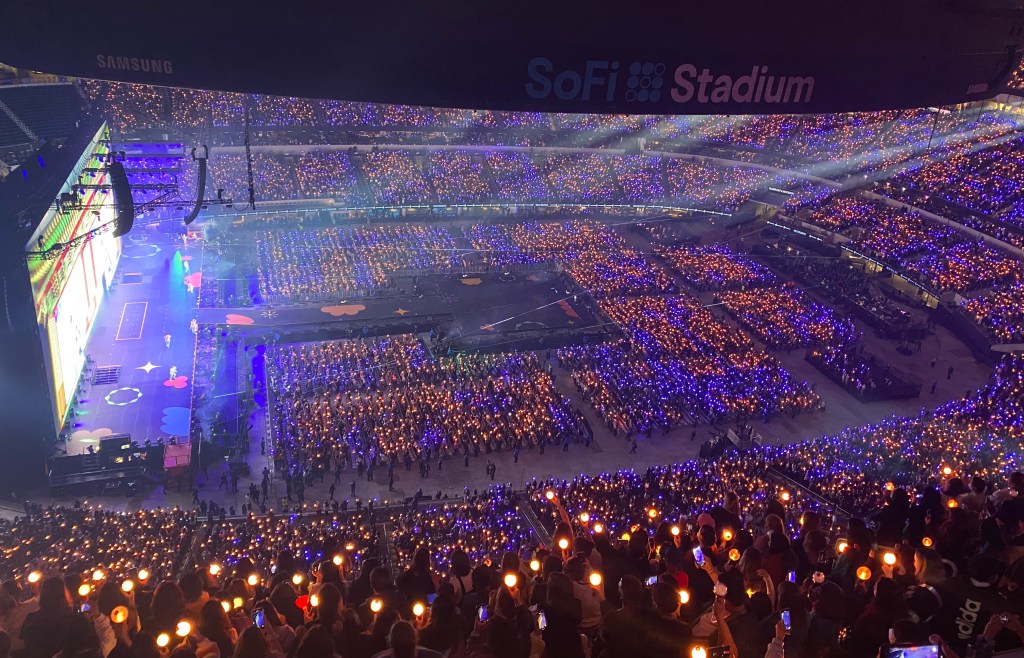
    BTS’s new world tour, “ARIRANG,” is achieving overwhelming success even before its official start.

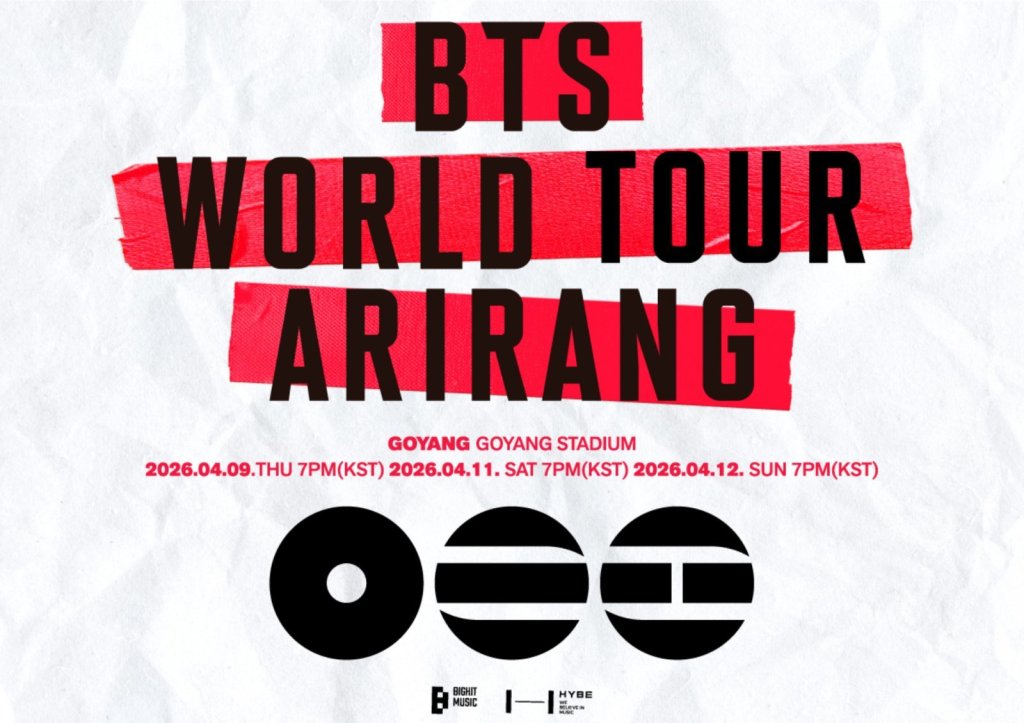
    The Korean leg of the tour, scheduled for three days starting April 9 at Goyang Stadium, achieved a “perfect sell-out” immediately upon the opening of fan club pre-sales. As the kickoff for the entire tour, the Goyang performances have once again demonstrated the formidable market dominance of K-pop and its ability to mobilize massive global audiences instantaneously.

    To meet surging global demand, additional dates are already being added to the international itinerary.

    Performances in Tampa and Stanford have each secured one extra show due to explosive popularity. Notably, the solo concert at Stanford Stadium marks only the second time in history an artist has headlined the venue, following Coldplay. The tour is now set to span 81 performances across 34 cities worldwide—a scale recognized as the largest and most ambitious in K-pop tour history.

    International attention is reaching a fever pitch.

    Mexican President Claudia Sheinbaum described the upcoming shows as a “historic moment,” while major media outlets like Forbes and USA Today reported that the tour will set a new benchmark and rewrite the history of global tours by Korean artists. Starting in Goyang, the tour will proceed to the Tokyo Dome on April 17-18 before continuing its journey through North America, Europe, South America, and Asia.


  • 【Korean Food】K-Pop Star Karina Recommends the Ultimate K-Food Pairing: Delicious but Health-Conscious?

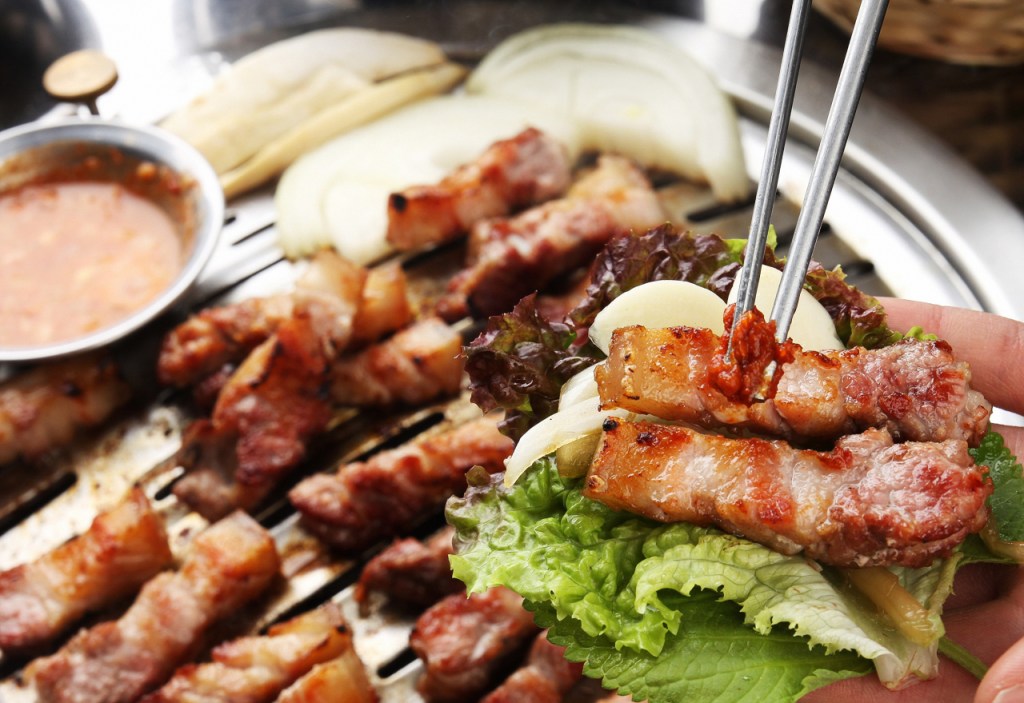
    Karina, a member of the global K-pop group aespa, has recently sparked a viral food trend by recommending the combination of Samgyeopsal (pork belly) and Ramen as her ultimate “soul food.”

    In a video featured on the YouTube channel “Editor Karina,” she compared Samgyeopsal to life’s essential memories, suggesting that a meal is only truly complete when finished with a steaming bowl of ramen. This high-energy combination is a deeply rooted part of Korean food culture and is now gaining massive interest among international fans looking to experience authentic local flavors.

    However, health experts have issued a cautionary note regarding this specific diet.

    The combination of high saturated fat from pork belly and the refined carbohydrates and sodium found in ramen can place a significant burden on the body. A single serving of Samgyeopsal contains at least 675 kcal, while one pack of ramen often approaches the World Health Organization’s (WHO) daily recommended sodium limit of 2,000 mg. Consuming such high-calorie and high-fat meals frequently can increase body fat and adversely affect vascular health, potentially leading to long-term conditions like heart disease or arteriosclerosis.

    To enjoy this beloved K-pop star’s favorite combination without compromising your health, experts suggest a few practical adjustments.

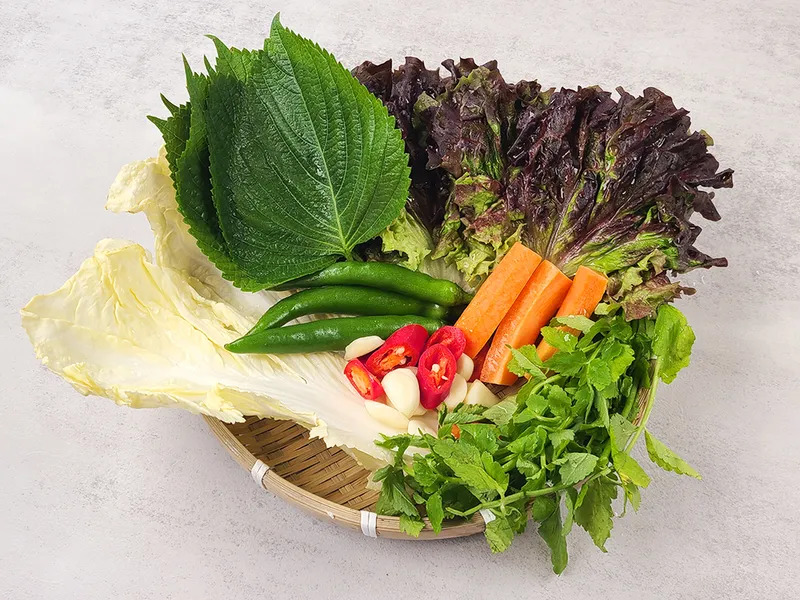
    When eating Samgyeopsal, it is essential to pair it with fiber-rich “ssam” (leafy vegetable wraps) to slow fat absorption and increase satiety. For the ramen, adding cabbage or onions can help with sodium excretion, and reducing the amount of soup powder is highly recommended. Additionally, choosing leaner cuts of meat and forming the habit of not drinking the salty ramen broth are effective ways to stay healthy while still enjoying the rich flavors of Korean soul food.

  • 【Korean News】BTS World Tour Sparks 2,375% Surge in South Korea Travel Searches

    The announcement of BTS resuming their world tour after nearly four years has triggered a massive explosion in travel demand to South Korea, led by the global fandom ARMY.

    According to data from Hotels.com, inbound searches for Seoul increased by 155%, while searches for Busan skyrocketed by 2,375% within 48 hours of the schedule announcement on January 13, 2026. This indicates that global fans began securing accommodations and flights even before ticket sales started, proving that K-pop is a powerful driver of “performance-based tourism.”

    By country, the response from the Japanese market has been particularly overwhelming.

    Searches for Seoul rose by 400%, while searches for Busan recorded a phenomenal growth rate of 10,545%, followed by high interest from Taiwan, Hong Kong, and the United States. This phenomenon aligns with the “Tour Tourism” trend, where fans travel specifically to attend concerts. Survey results showed that 70% of respondents expressed interest in traveling for performances, and 43% stated they were willing to cross international borders for their favorite artists, suggesting that a new consumer trend combining music and travel has become firmly established.

    Industry experts anticipate that this tour will act as a “cultural tourism catalyst,” significantly impacting the overall regional economy beyond the performances themselves.

    In addition to international visitors, domestic travel demand is also rising sharply, particularly for Busan, which saw a 3,855% increase. Analysts note that major live performances have become a decisive factor in choosing travel destinations and serve as a core engine driving both inbound and domestic markets in 2026.

  • [Korean Travel] Seoullo 7017: Transforming a 1970s Highway into Seoul’s Green Pedestrian Hub

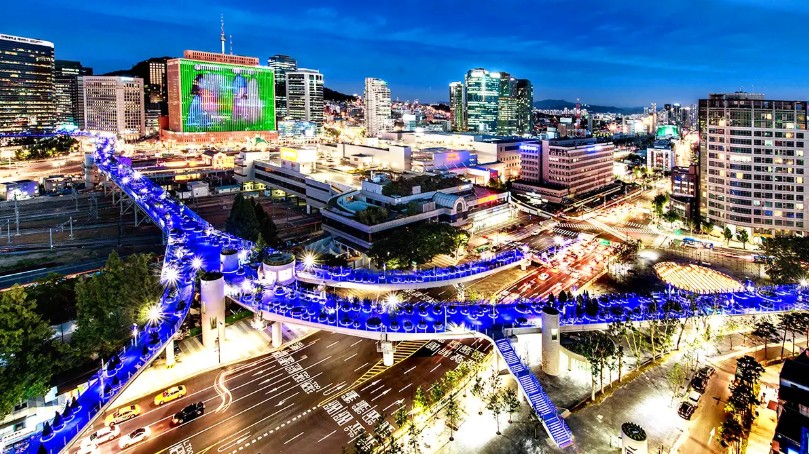
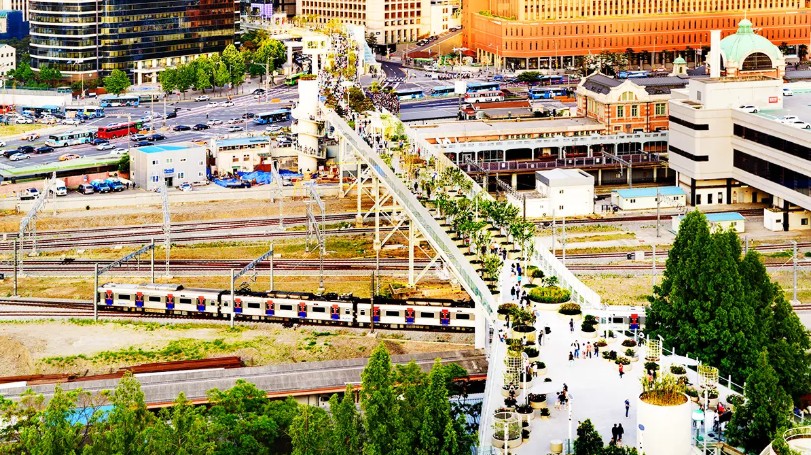
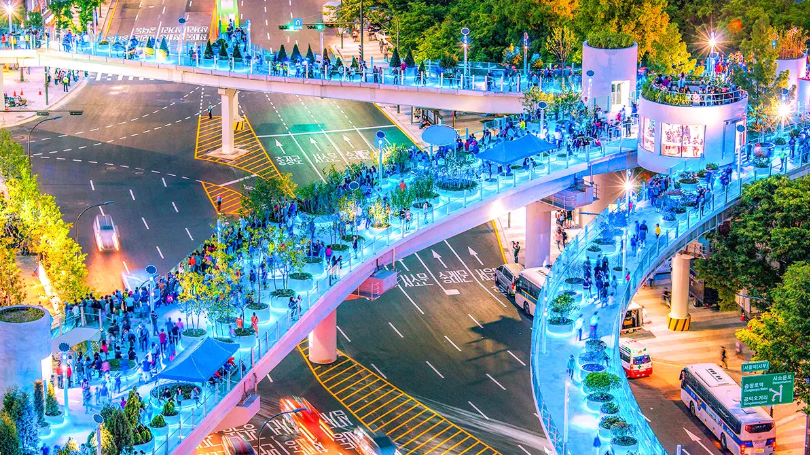
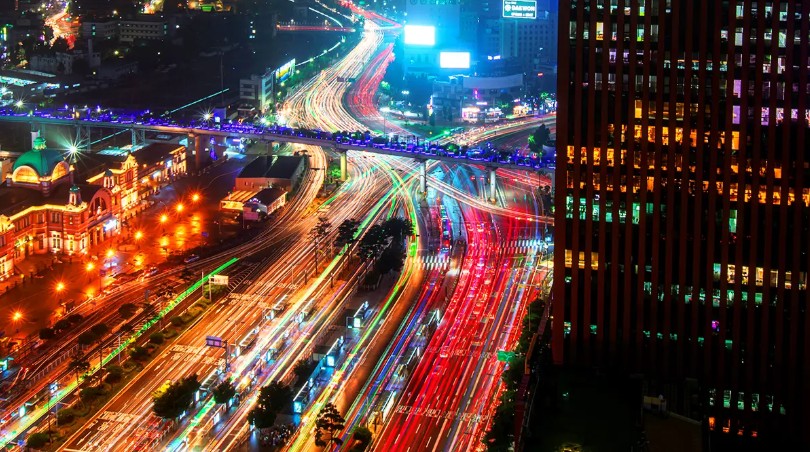
    Seoullo 7017 is a 1,024-meter-long elevated pedestrian park that breathes new life into a decommissioned 1970s overpass.

    Designed by renowned Dutch architect Winy Maas, this urban regeneration project connects 17 different pedestrian paths around the Seoul Station area, allowing travelers and business visitors to navigate the dense city center with ease. Standing 17 meters above the ground, the skywalk offers panoramic views of major landmarks, including the historic Seoul Station building, Namdaemun Gate, and N Seoul Tower, providing a unique perspective on Korea’s architectural evolution.

    The skywalk functions as a living botanical library, featuring over 24,000 plants across 228 species arranged alphabetically.

    Visitors can scan QR codes on the planters to learn about the seasonal flora, ranging from spring magnolias to vibrant autumn maples. After sunset, the entire path is illuminated with thousands of blue LED lights, creating a cosmic atmosphere that contrasts beautifully with the surrounding city lights. This makes it not only a green retreat but also a premier spot for late-night photography and evening strolls.

    This landmark is open 24 hours a day with no admission fee, making it highly accessible for both early morning walks and late-night explorations.

    It is conveniently reached from Seoul Station (Lines 1 & 4, Exit 2) or Hoehyeon Station (Line 4, Exit 5). Due to its central location, it serves as a perfect bridge to nearby commercial hubs like Namdaemun Market and cultural sites like Culture Station Seoul 284, enabling a seamless walking tour through the heart of historic and modern Seoul.

  • [Korean News] Is the “Dujjonku” Bubble Bursting? Rising Consumer Fatigue Amidst Ethics Concerns

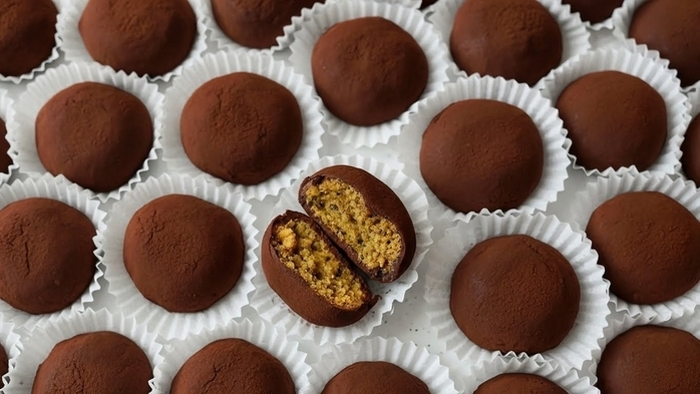
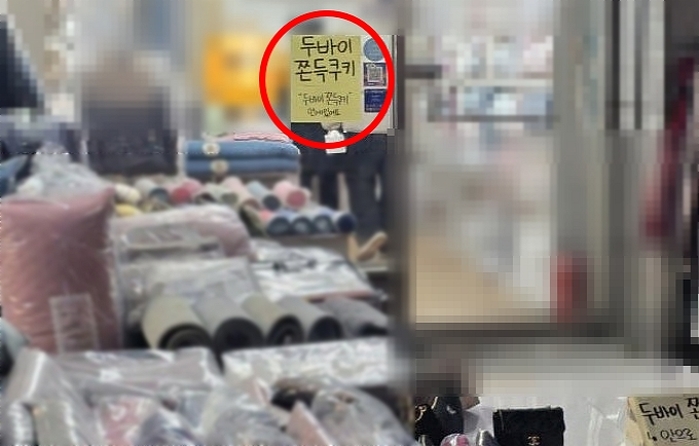
    The viral “Dubai Chewy Cookie” (Dujjonku) phenomenon in South Korea has reached a bizarre turning point as non-food businesses, including specialized bedding shops, have begun using the treat to lure customers.

    Recent online reports featured a blanket shop advertising the cookies to entice visitors inside, following similar tactics used by sushi and eel restaurants. This trend of using a high-demand dessert as a “bait product” has sparked a heated debate regarding unethical marketing practices across unrelated industries, with critics questioning the integrity of businesses that exploit viral trends to boost foot traffic.

    Beyond marketing ethics, the trend has raised significant legal and hygiene concerns.

    Netizens have pointed out potential violations of the Food Sanitation Act, questioning whether these establishments hold the necessary licenses for food distribution. Fears regarding the lack of proper hygiene management in non-food environments, such as textile or specialized service shops, are also mounting. Critics compare the current frenzy to the past “Honey Butter Chip” era, where popular snacks were bundled with unrelated goods to force sales, highlighting the recurring negative side effects of hyper-viral consumer trends in the Korean market.

    While the demand remains high, some observers suggest the craze may have reached its peak.

    Comparisons are being drawn to the once-ubiquitous “Tanghulu” trend, which saw a rapid decline after its initial surge due to overexposure and changing consumer tastes. As businesses increasingly use the cookie as a “click-bait” item on delivery apps to boost visibility, public fatigue over the commercial exploitation of the trend is becoming more apparent. This shift suggests that without a sustainable supply chain and ethical standards, the “Dujjonku” fever may soon follow the path of its short-lived predecessors.