Tag: South Korea

  • BLACKPINK Celebrates 3rd Mini Album ‘DEADLINE’ with Unique City-Wide Promotion

    BLACKPINK is meeting fans through a unique promotion connecting downtown Seoul to celebrate the release of their 3rd mini-album, ‘DEADLINE’.
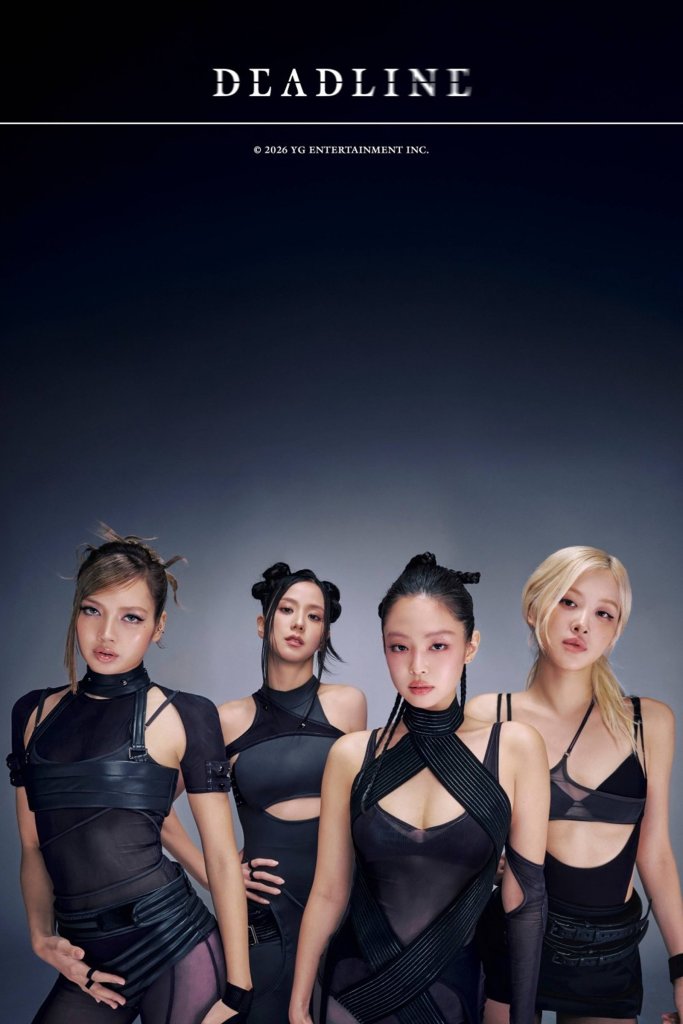
    YG Entertainment announced on the 27th that it will hold the “BLACKPINK 3rd MINI ALBUM [DEADLINE] HOURGLASS TOUR” from March 1st to 9th.
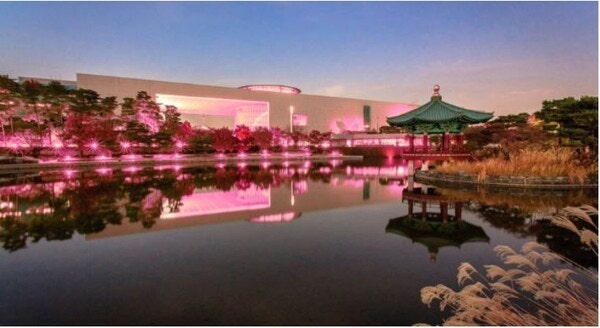
     This promotion will be operated at four locations: the Same Hapjeong, Soundwave Yeongdeungpo Times Square, Musinsa Standard Seongsu, and Ktown4u COEX. By connecting these four points around the National Museum of Korea, an hourglass shape is completed, adding meaning by spatially realizing the concept of the album title, ‘DEADLINE.’

    Purchasing the album at each store provides a stamp and exclusive image benefits for each location. Furthermore, after collecting all four stamps, a special reward consisting of a poster set and an hourglass-shaped stand will be presented at any of the participating stores. While online and offline purchase benefits are identical, offline purchases offer double the rewards and the opportunity to participate in the stamp tour.

    YG stated, “This is a project designed for fans to directly experience the message and symbolism that BLACKPINK has infused into ‘DEADLINE,’” adding, “It will be a special journey of completing an hourglass in the heart of Seoul.”

    Meanwhile, BLACKPINK released their 3rd mini-album, ‘DEADLINE,’ today (the 27th) at 2 PM (KST).

    The album features a total of five tracks, including the title song ‘GO,’ the pre-release single ‘JUMP,’ ‘Me and my,’ ‘Champion,’ and ‘Fxxxboy.’


    [ONLINE-KOREA:Letter from Korea]

    With major events like BTS performing at Gwanghwamun and BLACKPINK’s collaboration with the National Museum, incredible milestones continue to unfold. To be honest, even as a Korean, I am constantly amazed by the ongoing popularity of the Korean Wave😮❗

    Sometimes, I find it quite surprising why there is so much interest.

    From music, movies, and dramas to the recent hit animation K-Pop Demon Hunters and our overall culture, I feel that South Korea is receiving an overwhelming amount of interest and love from all over the world❤️

    However, I believe that things cannot always go smoothly. That is why I hope everyone in their respective fields continues to strive to repay your love and interest without ever betraying your trust, ensuring South Korea remains a country that deserves your support. Of course, we at ONLINE-KOREA will also do our very best💪🙂❗

  • The New King of Seoul Retail: Olive Young Replaces Starbucks in Prime Districts

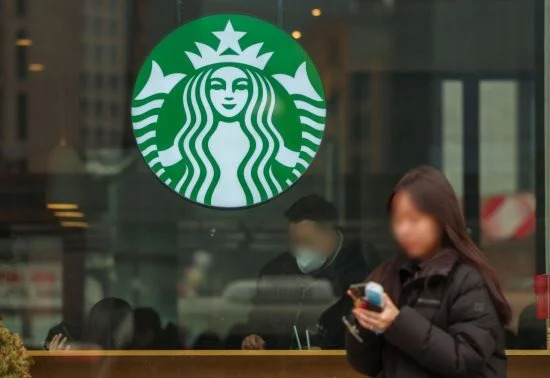
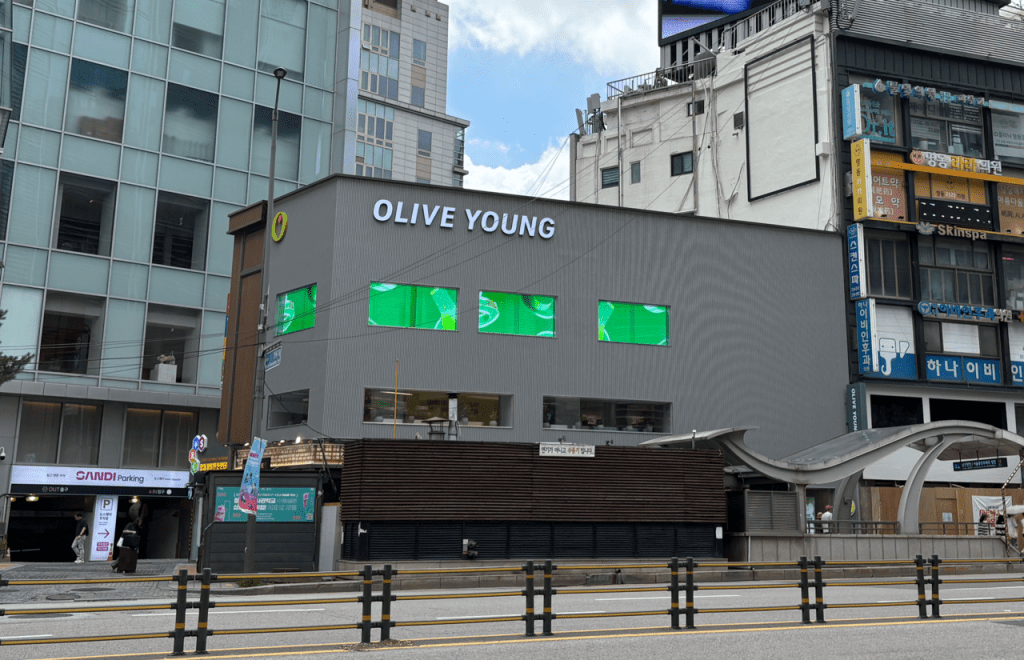
    Olive Young, operated by CJ, is increasingly moving into prime locations formerly occupied by Starbucks.

    Recently, in major business and tourism districts such as D-Tower in Gwanghwamun and Myeongdong in Seoul, Olive Young has been taking over spots that Starbucks held for over a decade. Beyond a simple change in tenants, this transition symbolically demonstrates that the core “anchor tenant” of Korean commercial districts has shifted from coffee culture to beauty and wellness.

    At the heart of this change is the explosive demand from foreign tourists.

    In the case of the Myeongdong 2-ga branch, eight out of ten visitors are foreigners, solidifying Olive Young as an essential stop for travelers in Korea.

    Consequently, experts evaluate that Olive Young has emerged as a key anchor tenant, leading to the coining of the term “All-se-kwon” (a portmanteau of Olive Young and yeok-se-kwon, meaning station area). This indicates its significant influence on property values, much like the “Starbucks effect” of the past.

    Just as the presence of Starbucks increases a building’s value, Olive Young has become a tenant that positively impacts the surrounding commercial area and the property itself. Moving beyond cosmetics, Olive Young is expanding into new wellness ventures like “Olive Better,” targeting both domestic and international customers.

    Its revenue for last year is estimated to have surpassed 5 trillion KRW, reaching an all-time high.


    [ONLINE-KOREA:A Letter from Korea]

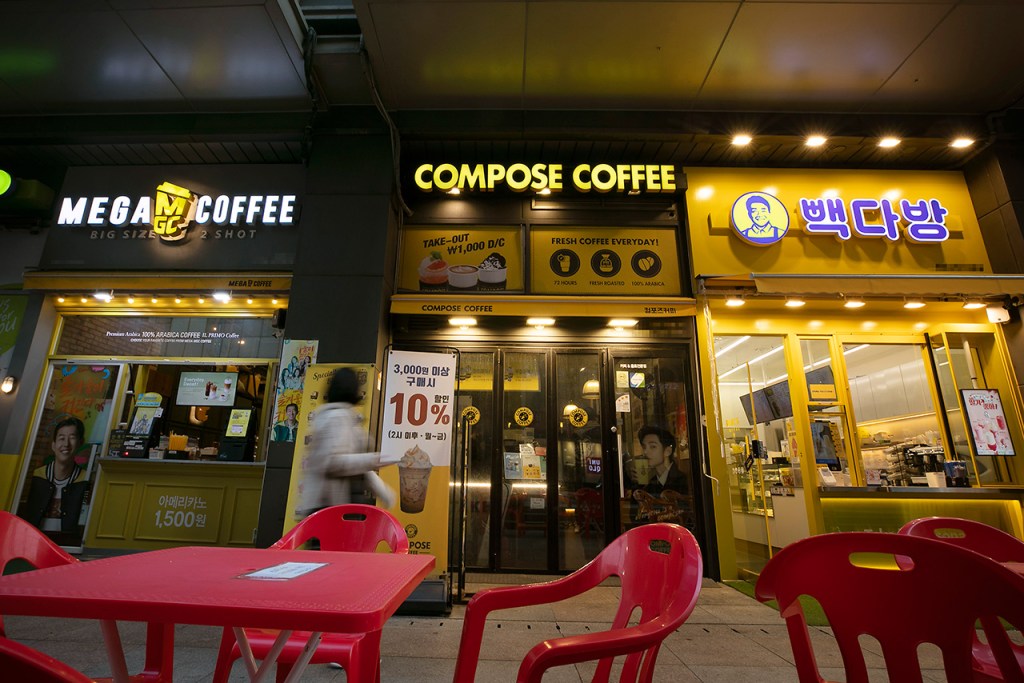
    Coffee shops are the most common sight on the streets of Korea. Every few steps, you encounter one.

    While STARBUCKS being replaced by OLIVE YOUNG doesn’t mean cafes are disappearing, it brings certain changes. I recently recalled a meeting with a client from abroad. I had an Iced Caffe Mocha, and my client had a Matcha Latte. STARBUCKS has always been the representative space that both locals and foreigners find easy to recognize and locate—a place to sit down and connect over a drink.

    While it is wonderful that many international tourists visit Korea because of OLIVE YOUNG, it is also a bit saddening to see the decrease in convenient spaces where anyone can stay and communicate

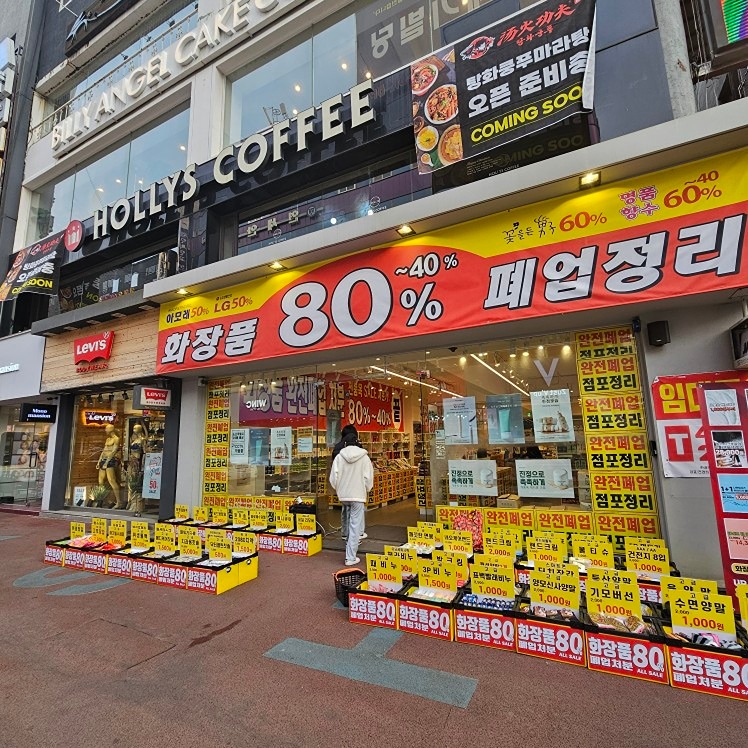
    Small-Scale Cosmetics Store Undergoing Final Closing

    Furthermore, as mega-corporations monopolize both online and offline retail, independent shops risk losing their viability. I worry that major commercial districts may turn into “showrooms” for giant franchises, accelerating a commercial homogenization that erases unique local content.

    While there are pros and cons to every change, I hope to see more diverse Korean spaces and unique cultural experiences—beyond just shopping—thrive to welcome our global visitors.


  • BBC Highlights South Korea’s “Dujjonku” Craze and Real -Time Tracking Maps

    The BBC has recently highlighted South Korea’s massive obsession with “Dubai Chewy Cookies,” locally known as Dujjonku.

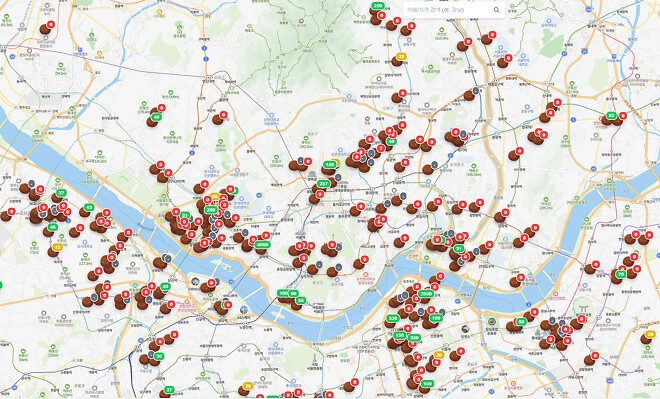
    In a report titled “A Dubai chocolate-inspired dessert has taken S Korea by storm,” the outlet noted that the fervor has reached such heights that fans have created real-time tracking maps to monitor stock levels at local bakeries.

    Interestingly, despite its name as a cookie, the BBC described the texture as being remarkably similar to tteok, a traditional Korean rice cake, rather than a standard crumbly biscuit.

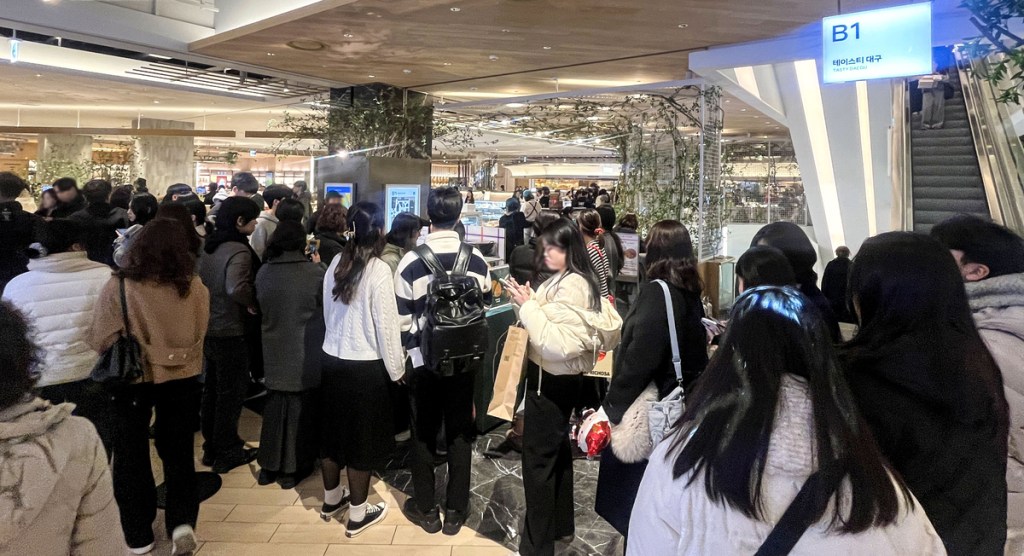
    This viral craze was sparked last September after Jang Won-young, a prominent member of the K-pop group IVE, shared a photo of the dessert on her Instagram. Since that moment, the market has exploded, with hundreds of cookies frequently selling out within minutes of being stocked.

    Currently, these sought-after treats are priced between 5,000 and 10,000 KRW, but continued high demand is expected to drive prices even higher. This surge has not only affected the final product but has also caused the cost of necessary raw ingredients to skyrocket across the country.

    However, the rapid growth of the “Dujjonku” market has not been without its challenges. The BBC noted the emergence of numerous “counterfeit” versions, which has resulted in a wave of complaints from dissatisfied customers on online review platforms.

    These growing pains are viewed as a natural byproduct of a hyper-viral market where consumer demand continues to far outpace a reliable and high-quality supply.

    As the trend continues into 2026, the focus is now shifting toward whether the craze can maintain its quality amidst its overwhelming popularity.

  • South Koreans Shift Travel Habits Amid High Inflation

    In the era of high inflation, significant changes in travel spending patterns have been observed in South Korea.

    An analysis of South Korean travelers’ search data from January 1 to September 30 revealed a growing trend toward cost-effective group travel, rather than solo trips. Additionally, instead of long-haul European vacations costing over 1 million KRW, there has been a notable shift towards more affordable trips to Japan and Southeast Asia, priced between 300,000 to 400,000 KRW. This “value-for-money” trend is becoming more prominent.

    The most notable change is the surge in searches for flights to Japan.

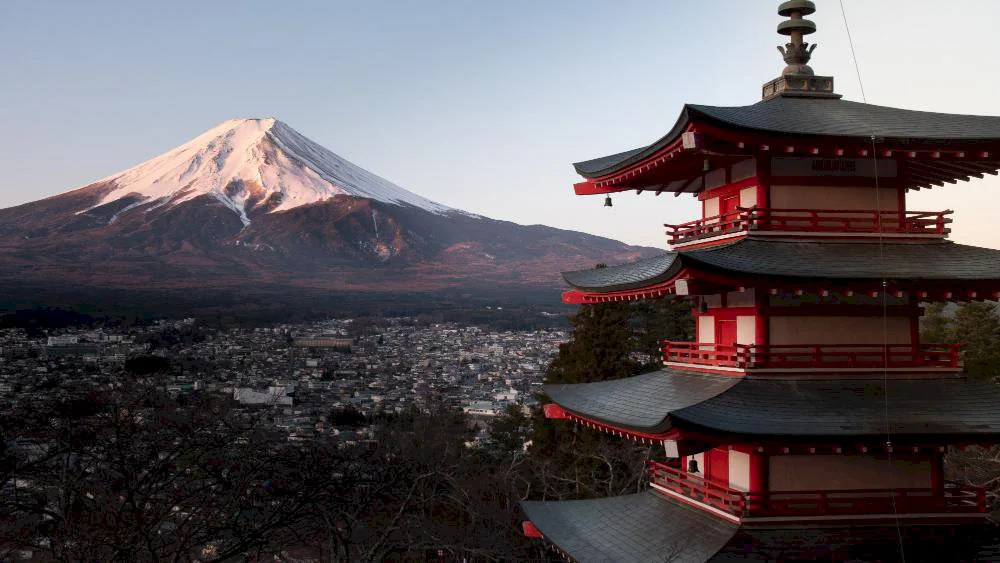
    Japan overwhelmingly ranked first, with search volume 2.7 times greater than that of Vietnam, which ranked second. There was particularly high demand for major cities such as Tokyo, Osaka, and Fukuoka. Thanks to the continued weak yen and excellent accessibility, Japan has become a favored and affordable destination for South Korean travelers.

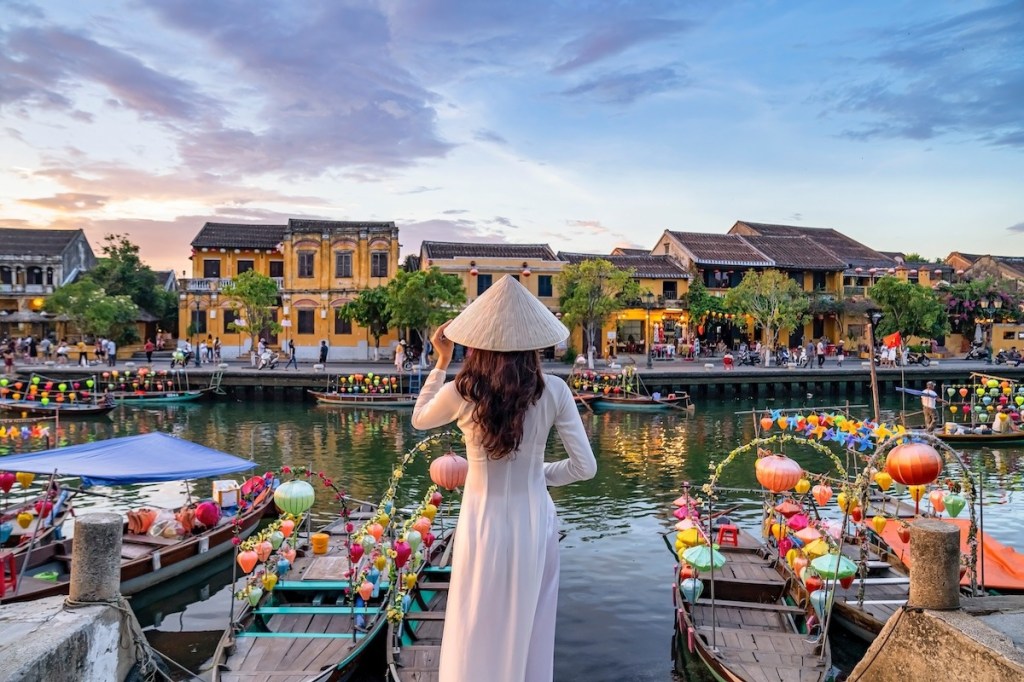
    Vietnam ranked second, with its low airfare and affordable local food and transportation costs allowing for budget-friendly trips. In particular, Da Nang has become a popular cost-effective vacation spot, offering a combination of beach resorts and the ancient town of Hoi An for around 300,000 KRW.

    In addition, demand for group travel has increased.

    Searches for flights for 3 or more people have risen by 77% compared to last year, and searches for flights for 2 people have increased by about 37%. Meanwhile, searches for solo flights have decreased by 11%, indicating a clear trend toward traveling with others rather than solo trips.

  • Busan Set to Achieve 3 Million Tourists, Thanks to APEC

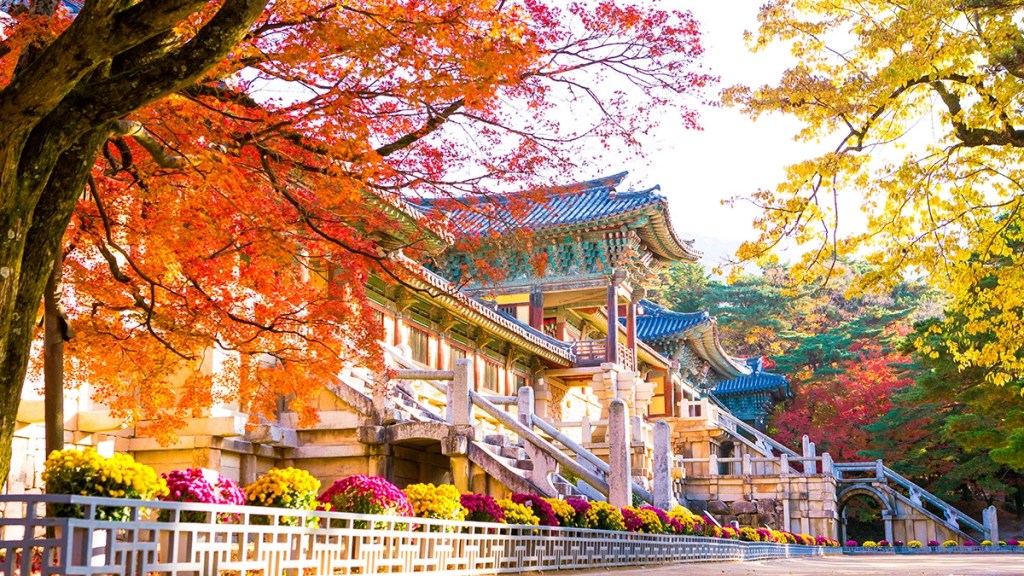
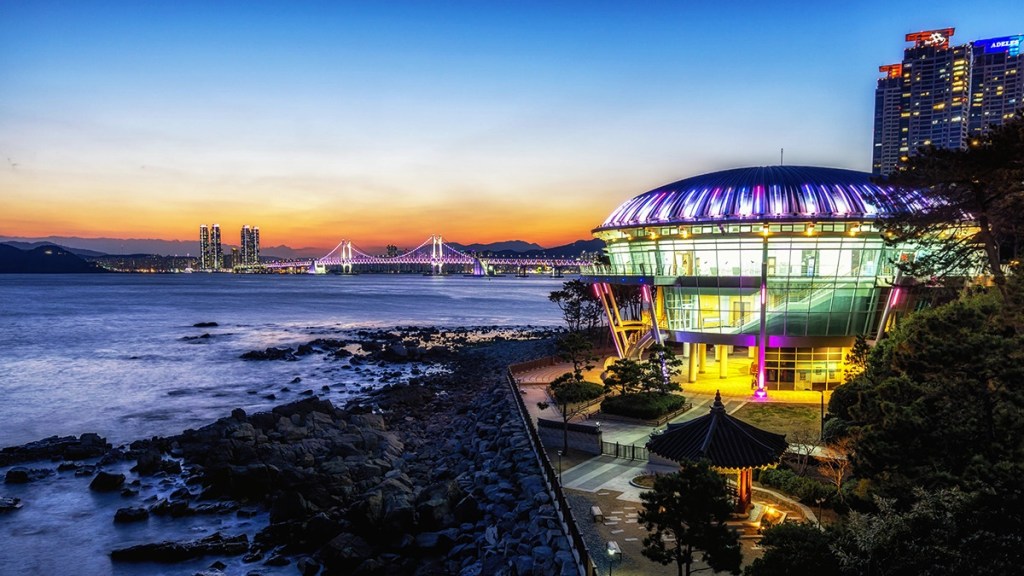
    Busan is on track to become the first city in South Korea to reach 3 million foreign tourists in a single year. This shift in Korea’s tourism landscape, which was once centered around Seoul, is largely attributed to the APEC summit held in Gyeongju at the end of October. The summit wasn’t just another international event—it played a key role in creating a new tourism belt linking Busan and Gyeongju.

    Gyeongju Bulguksa Temple

    As of October 2025, the number of foreign tourists visiting Busan surpassed 2.35 million, setting a new record. The spending scale also grew by 33.2% compared to the previous year, reaching 6.594 trillion KRW. Notably, in October, the number of high-speed bus reservations for foreigners traveling between Busan and Gyeongju increased by 185% compared to the previous year. Most of these travelers were long-haul tourists from the US, Europe, and Australia, indicating a growing trend of “regional travel” connecting the two cities via Seoul.

    Busan Nurimaru APEC House

    Experts are predicting that “this APEC summit has successfully merged Busan’s K-culture with Gyeongju’s K-heritage, creating the ‘most Korean regional tourism route’ and leaving a lasting impression worldwide.” They also forecast that Busan’s goal of 3 million tourists will be easily achieved.

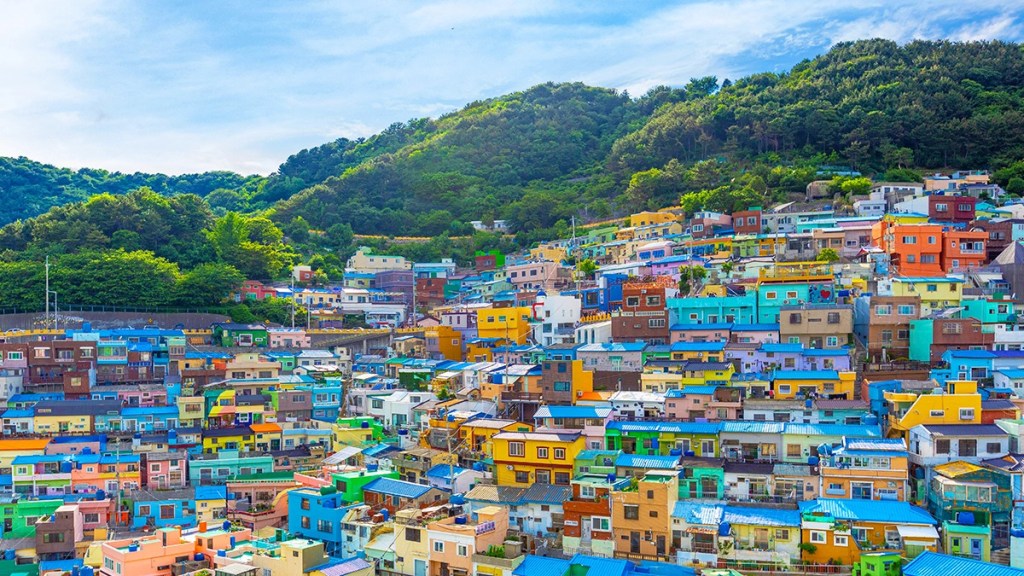
    Gamcheon Culture Village, Busan

    Furthermore, the successful “tourism alliance” between Gyeongju and Busan is seen as an important example of how international events in regions outside of Seoul can build a sustainable local tourism model.

  • Takaichi Aims to Strengthen Japan-Korea Ties: A Global Diplomatic Approach”

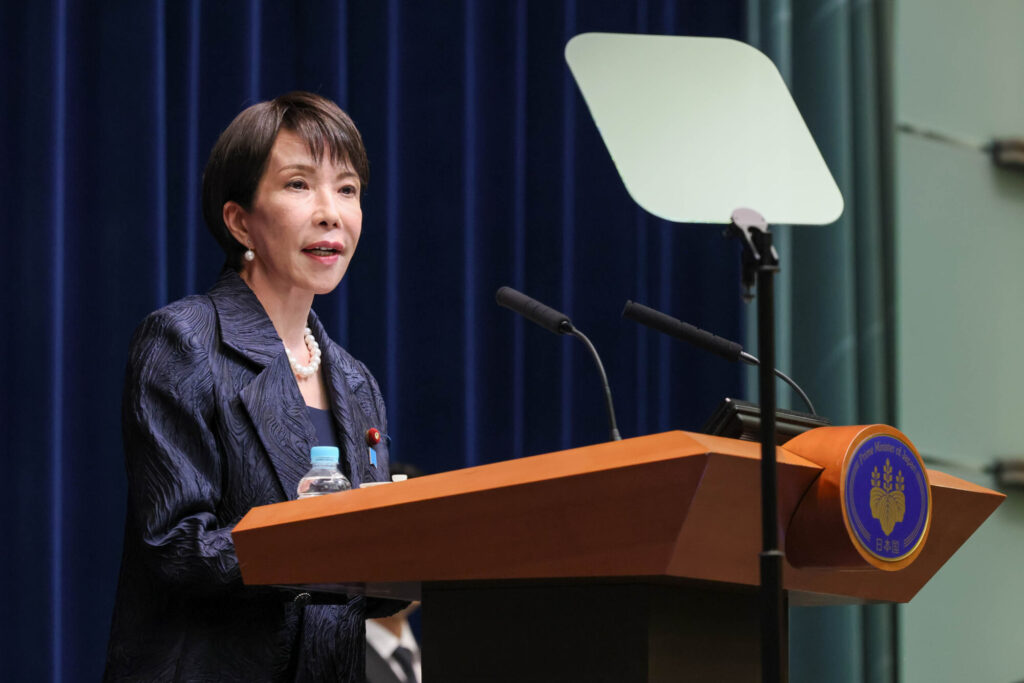
    Japan’s Prime Minister Takaichi Sanae announced in her inaugural press conference that she aims to develop Japan’s relationship with South Korea in a forward-looking manner.

    According to NHK, Prime Minister Takaichi said during the press conference on the 21st, shortly after being elected, “South Korea is an important neighboring country for Japan and a necessary partner in responding to various global challenges.”

    She further emphasized, “I want to develop Japan-South Korea relations in a stable and future-oriented way, based on the relationship that has been built between previous administrations.”

    Additionally, she commented, “Although there are some concerns, I really like Korean seaweed, use Korean cosmetics, and watch Korean dramas.”

    Prime Minister Takaichi also discussed Japan’s foreign policy.

    She stressed the relationship between Japan and the United States, saying, “Japan is an important partner for the U.S. in both the China strategy and the Indo-Pacific strategy.”

    Further, she highlighted her goals for Japan’s role in global diplomacy, saying, “We will work on building trust with the leaders of each country and actively propose to ensure Japan plays a prominent role on the world stage.”

  • G-DRAGON Files Lawsuit Against Online Haters After 19 Years in K-pop

    G-DRAGON has officially taken legal action against individuals posting malicious comments and spreading false information — marking his first major legal move since debuting 19 years ago.

    His agency, Galaxy Corporation, announced on October 17 that it is “actively pursuing legal measures in cooperation with law firm Yulchon against defamation, false information, and malicious slander.”

    According to the company, by the end of September, it had conducted a thorough review of malicious posts based on fan reports and its own data collection. On October 15, several offenders were formally charged under South Korea’s Information and Communications Network Act (Defamation). The agency emphasized that the case focuses on “defamation through false information,” not simple insults, and that strict action is being taken to ensure criminal accountability.

    Galaxy Corporation also revealed plans to file additional complaints against commenters identified on major online platforms such as DC Inside, Daum Café, X (formerly Twitter), Naver, and FM Korea, reaffirming its firm stance.

    G-DRAGON’s representatives stated that this move “is not a warning but a concrete effort to protect the artist’s dignity and personal rights.” They also encouraged fans to continue reporting malicious activity, adding, “We will hold those who hide behind anonymity fully accountable for their actions.”