Standing at an impressive 202 meters, 83 Tower remains the tallest structure in Daegu and a quintessential landmark for any traveler.
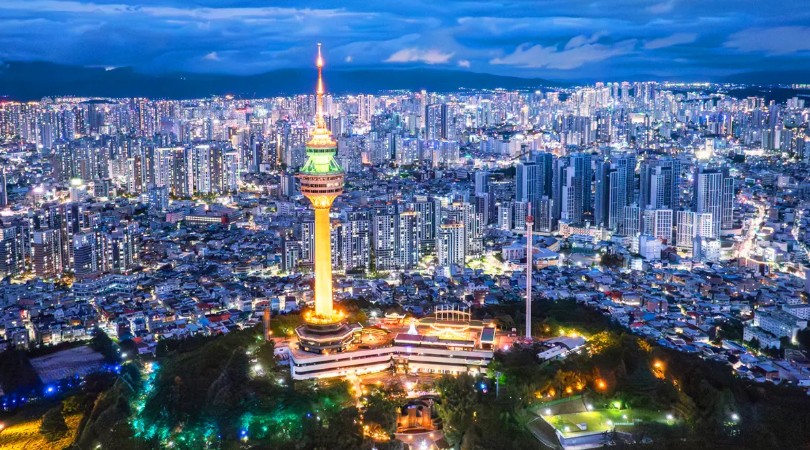
Located within the popular E-World theme park complex, the tower provides a breathtaking 360-degree panoramic view that encompasses the entire city and its majestic surrounding mountains. While the daytime scenery offers a clear look at Daegu’s urban layout, the tower is most renowned for its spectacular night views. As the city lights flicker to life, it transforms into a premier photography spot, capturing the romantic and vibrant essence of the region.
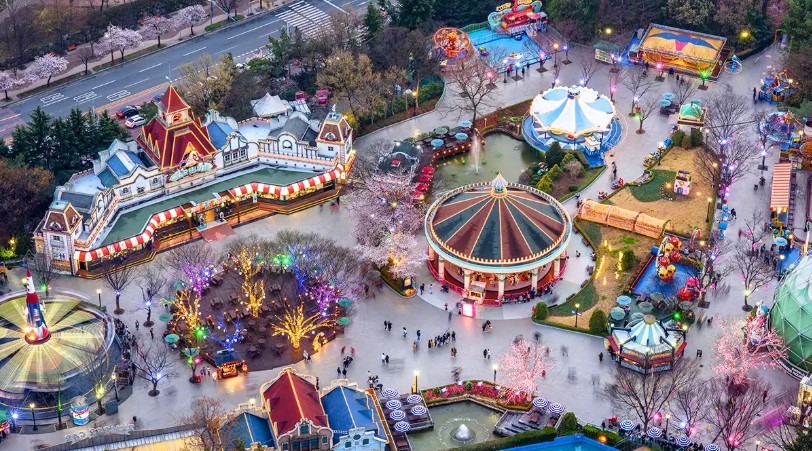
The tower is far more than just an observation deck; it serves as a vibrant multi-cultural hub for visitors of all ages.
Inside, you can explore “Lala’s Musical Museum,” glide across an indoor ice rink, or enjoy a sophisticated meal at the revolving restaurant that offers slowly changing vistas.
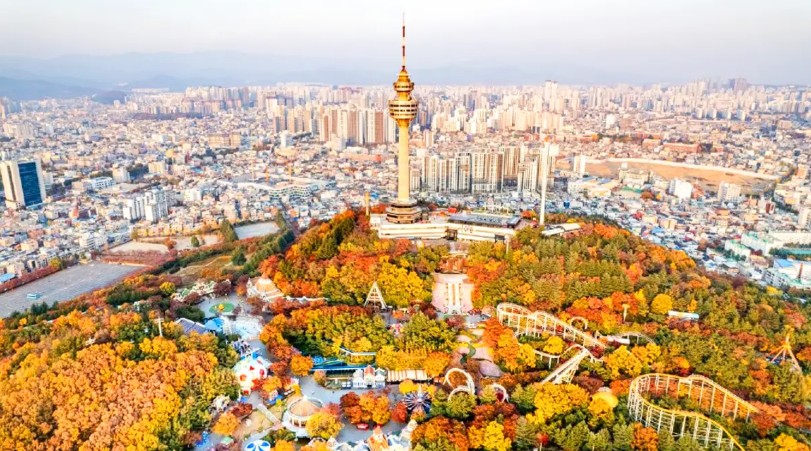
Its strategic location within Duryu Park also allows guests to enjoy scenic walking trails that lead seamlessly into the theme park. Depending on the time of year, seasonal festivals—ranging from spring cherry blossoms that paint the area pink to dazzling winter light displays—ensure that every visit offers a unique and memorable experience.
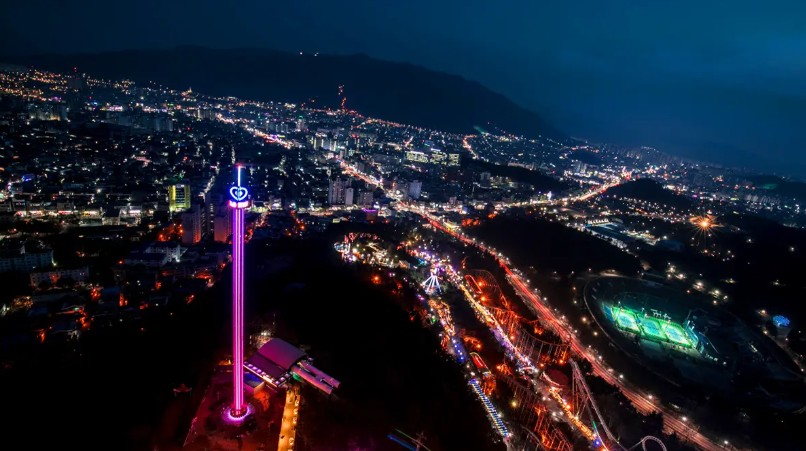
Accessing 83 Tower is convenient for both local and international tourists.
It is a manageable 10-15 minute walk from Duryu Station on Daegu Subway Line 2. For those traveling by car, the tower offers a practical parking policy: free parking is available for up to 4 hours with a minimum purchase of 30,000 KRW at the facilities inside.
Because operating hours can fluctuate due to seasonal events, weather conditions, or scheduled maintenance, it is highly recommended to check the official website (eworld.kr) before planning your trip to ensure a smooth and enjoyable visit.




 ONLINEKOREANEWS.COM