As of early 2026, South Korea’s traditional markets have moved far beyond their roots as mere grocery stops, emerging instead as the trendiest “complex cultural spaces” for international visitors.
According to recent social media data analysis, iconic spots like Gwangjang Market and Mangwon Market are consistently ranking as the #1 must-visit destinations for global tourists. This surge in interest is largely driven by the rise of “fusion street food,” which masterfully blends time-honored traditional recipes with a sleek, modern sensibility to create a dining experience like no other.
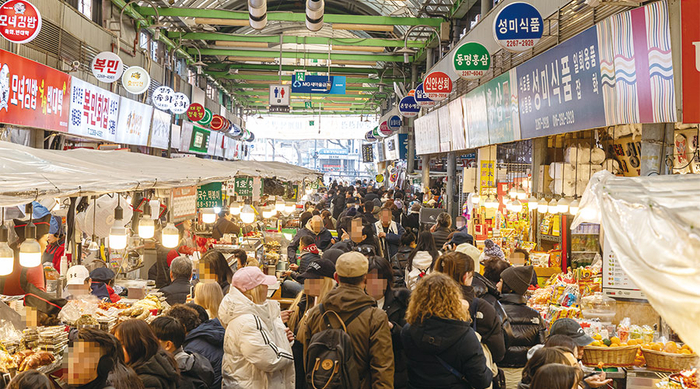
The heart of this cultural shift lies in a phenomenon known as “Hip-traditionalism.”
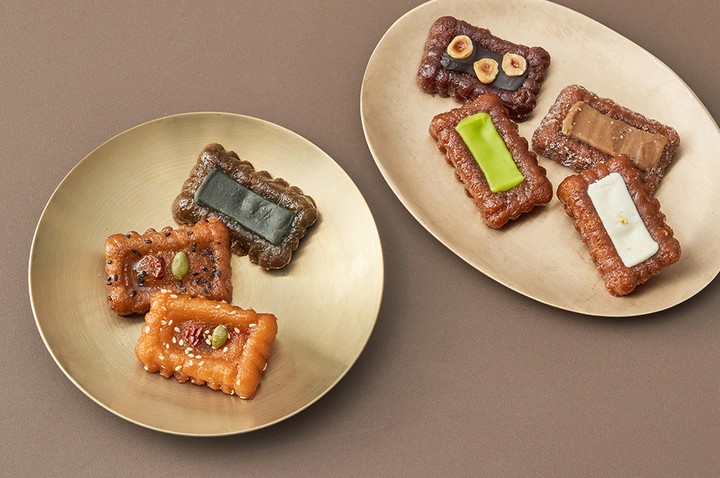
This trend has captured the curiosity of the global Gen Z audience, who are flocking to markets to try innovative dishes such as Tteokbokki infused with luxurious truffle oil or premium desserts reimagined from traditional Yakgwa.
By taking classic Korean flavors and adding a creative, contemporary twist, these markets have transformed everyday snacks into a sophisticated cultural statement that resonates with a worldwide audience.
Beyond the food, the infrastructure of these markets has undergone a significant digital transformation to welcome the world.
Most major markets have now implemented seamless mobile payment systems and multilingual kiosks in English and Japanese, allowing international travelers to navigate and enjoy local culture with total independence.
Combined with exciting pop-up stores and collaborations with trendy local brands, a stroll through a Korean market in 2026 has become a truly special “local experience.”
Even in the middle of winter, these vibrant alleys remain buzzing with energy and the joy of cultural discovery.

 ONLINEKOREANEWS.COM
Leave a comment